
64° Salone Internazionale dell’Automobile – Torino 1992
AT A GLANCE
- Date
- 1992-04-23 — 1992-05-03
- Venue
- Lingotto Fiere / Lingotto
- Location
- Turin · Italy
THE EVENT
Event overview
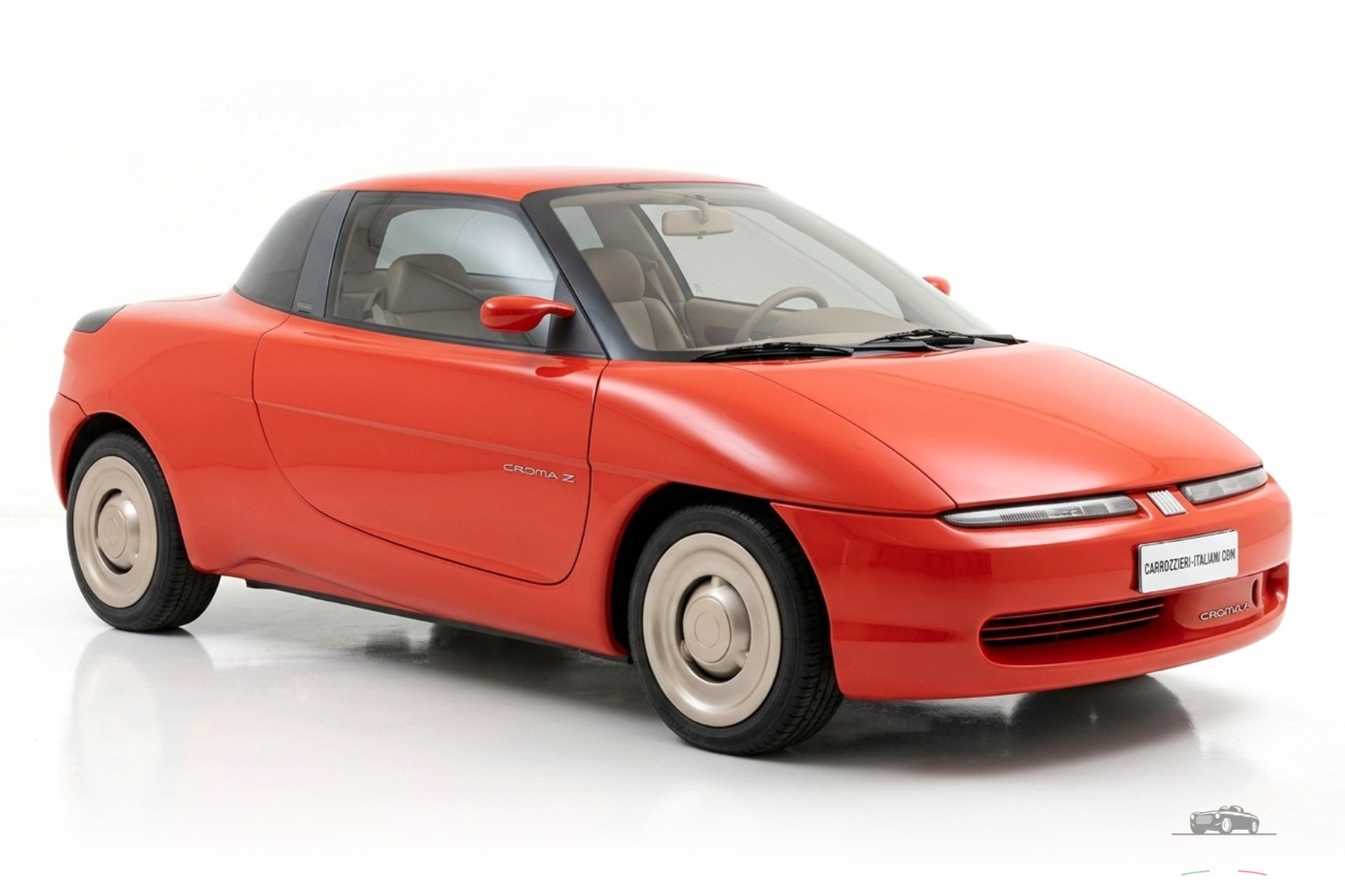
The 64th Turin Motor Show, held from April 23 to May 3, 1992, at the Lingotto exhibition center, was a landmark event in Italian automotive design.
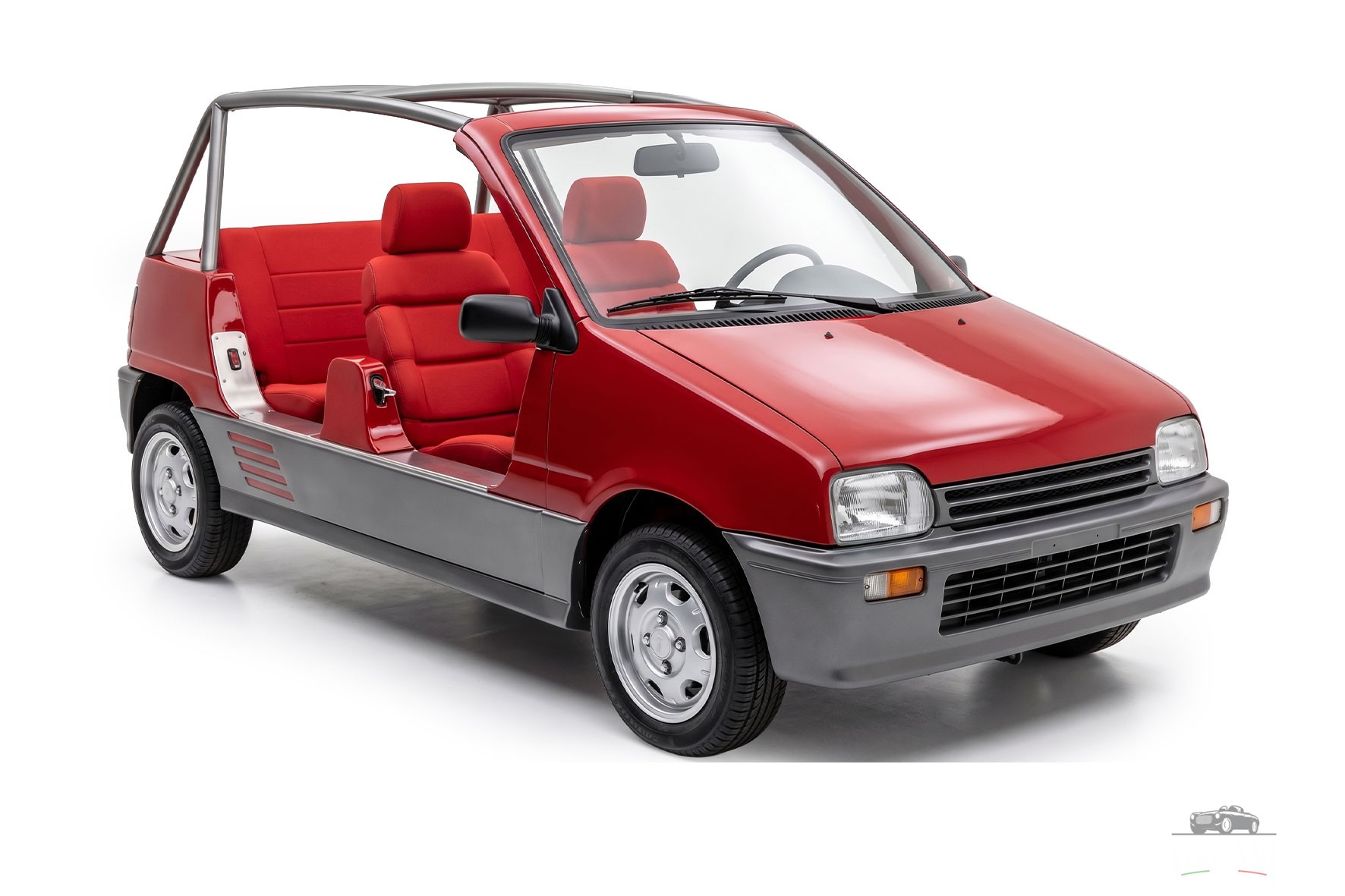
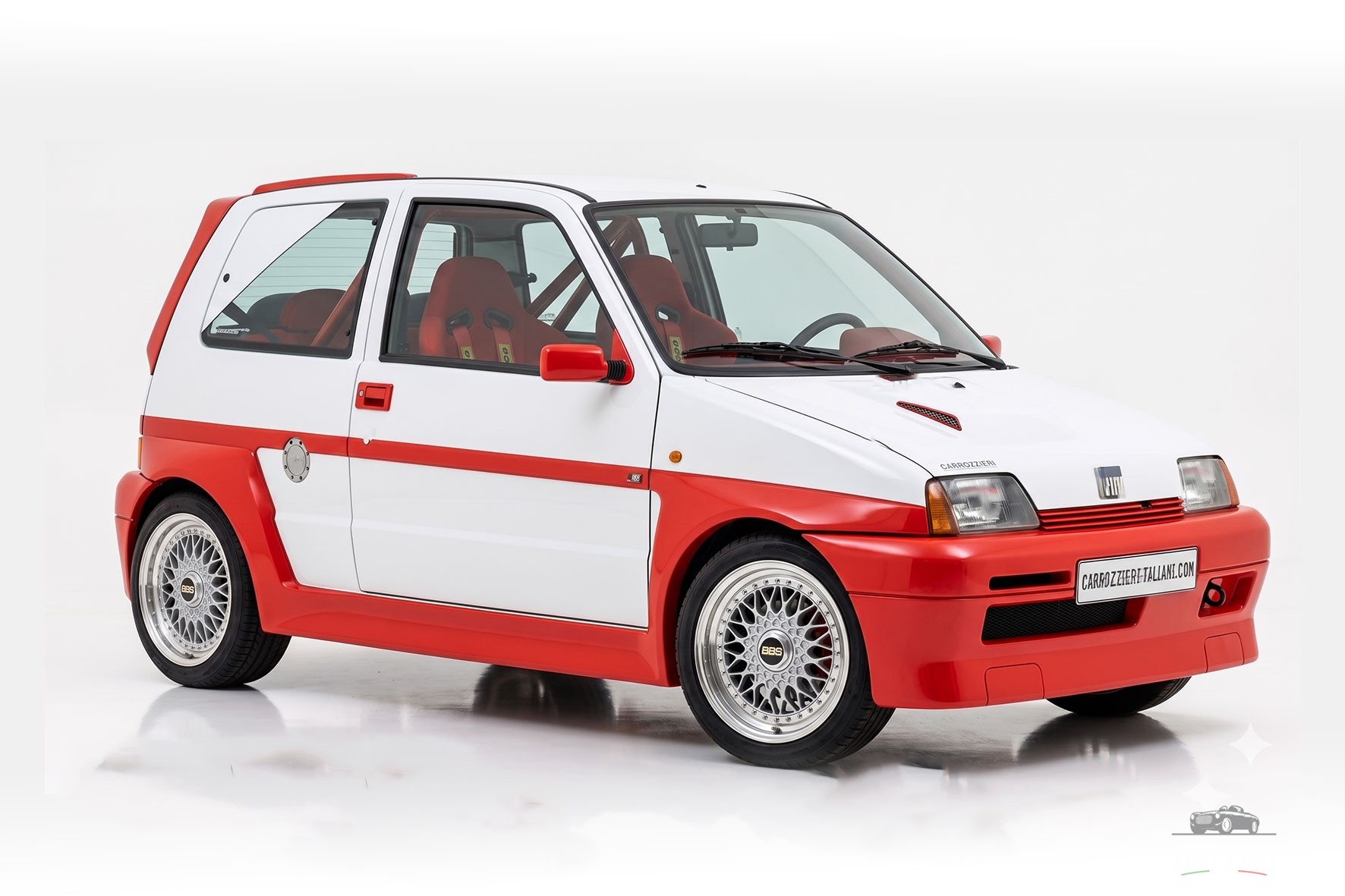
Fiat’s initiative to invite renowned Italian coachbuilders to reinterpret the newly launched Fiat Cinquecento resulted in a series of innovative concept cars that showcased the versatility of the Cinquecento platform. Among the standout concepts was the Fiat Cinquecento Birba by Maggiora, a vibrant yellow-and-white convertible that captured the playful spirit of the Cinquecento. The Birba’s design was so well-received that Maggiora decided to produce a limited number of units, adding a roll bar for safety while retaining the concept’s charm.
Stola presented the Cinquecento Cita, an open-top two-seater designed by Aldo Garnero. The Cita featured a fabric soft top with a PVC rear window and a generous third volume, hinting at the coupe-cabriolet trend that would become popular in the following decade.
Coggiola’s Cinquecento Fionda stood out with its futuristic design, featuring soft, sleek lines reminiscent of a small coupe. Despite sharing the same mechanics and platform as the base model, the Fionda’s aesthetic was entirely distinct.
Pininfarina introduced the Cinquecento 4×4 Pick-up, a mini pickup truck with four-wheel drive and a fixed center pillar acting as a roll bar. The rear seats could fold down into the floor, transforming the car into a pickup truck, a solution reminiscent of the Citroën C3 Pluriel.
Italdesign’s Cinquecento ID reimagined the city car with MPV-like shapes, offering a proposal for a possible successor to the Cinquecento. Although Fiat did not pursue this direction, the design evolved into the Italdesign Lucciola, which later became the successful Daewoo Matiz.
Bertone’s Cinquecento Rush was a modern dune buggy developed on the Cinquecento platform. Its soft, rounded shapes were in line with the brand’s later products, such as the Punto Cabrio.
I.DE.A Institute’s Cinquecento Griguà offered a futuristic version of the city car with large glass surfaces and a unique seating arrangement: the driver seated in the center, with two passengers positioned slightly rearward on either side.
Zagato’s Cinquecento Z-Eco combined four-wheel mobility with “soft” transportation solutions, featuring a design that allowed access to traffic-free historic city centers by bike..
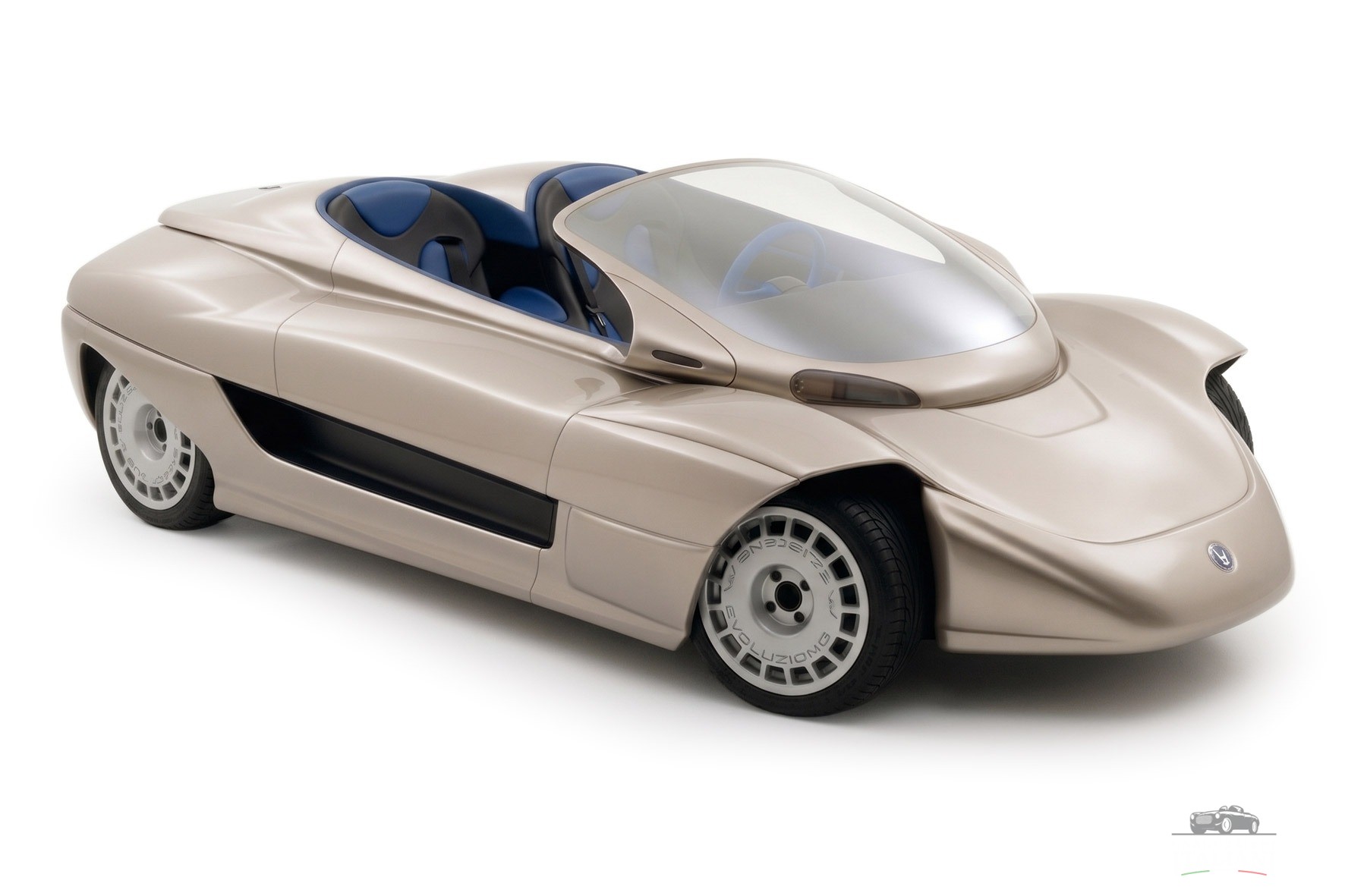
Beyond the Cinquecento-based concepts, the show featured other notable prototypes. Bertone unveiled the Blitz, an all-electric roadster with offset seating and a minimalist design, highlighting the potential of zero-emission vehicles. Pininfarina presented the Ethos, powered by an orbital engine, emphasizing ecological innovation.
The 1992 Turin Motor Show underscored the creativity and ingenuity of Italian automotive design, offering a glimpse into the future of compact vehicles and reaffirming Italy’s position at the forefront of automotive innovation.
KEY MOMENTS
Timeline
-
Opening
-
Closing
FROM THE EVENT ARCHIVE
Photo gallery

CONTINUE EXPLORING
Participating Cars







THE EVENT ARCHIVE
THE CONVERSATION
Comments 0