
66° Salone Internazionale dell’Automobile – Torino 1996
AT A GLANCE
- Date
- 1996
- Venue
- Lingotto
- Location
- Turin · Italy
THE EVENT
Event overview
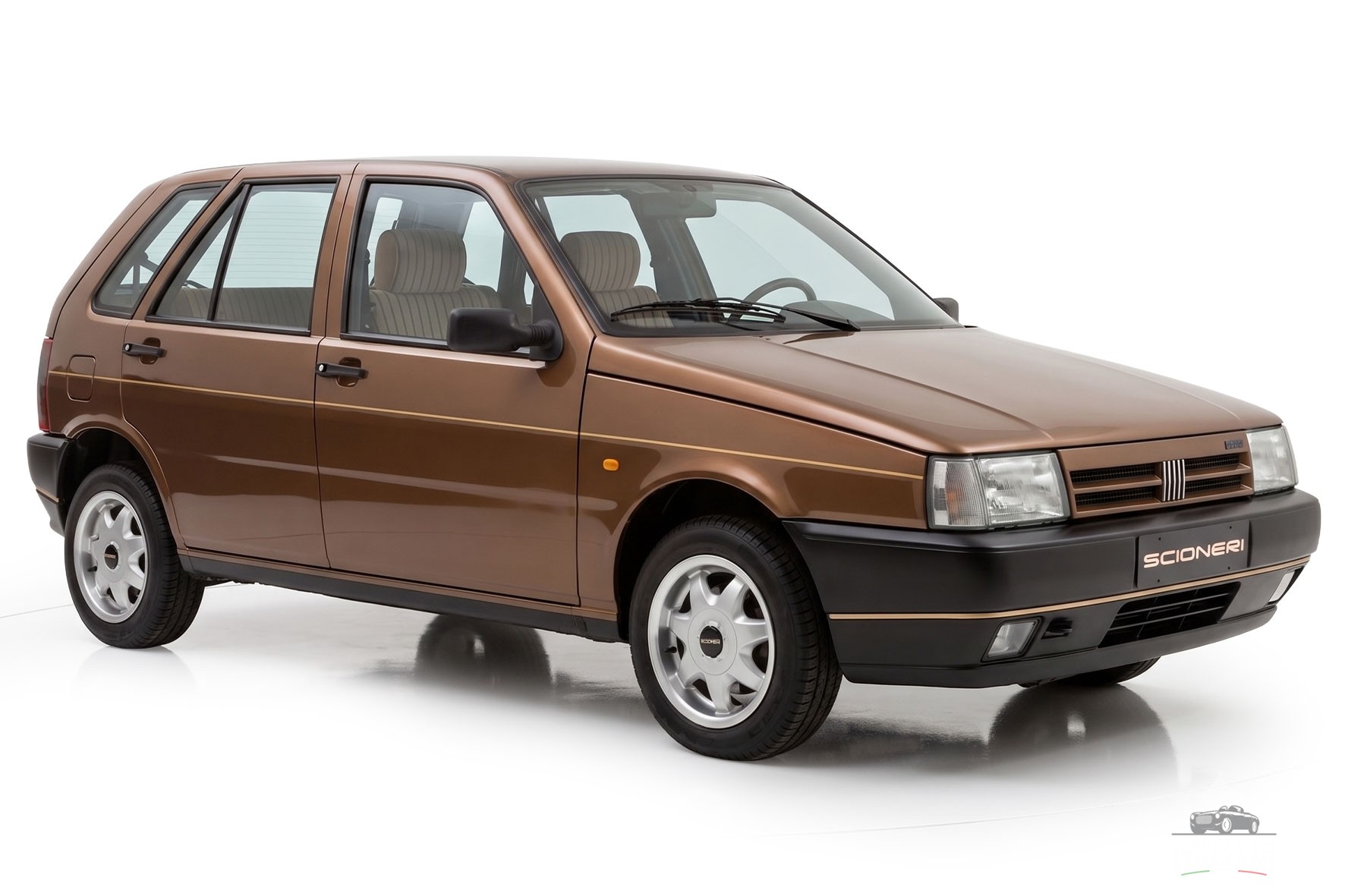
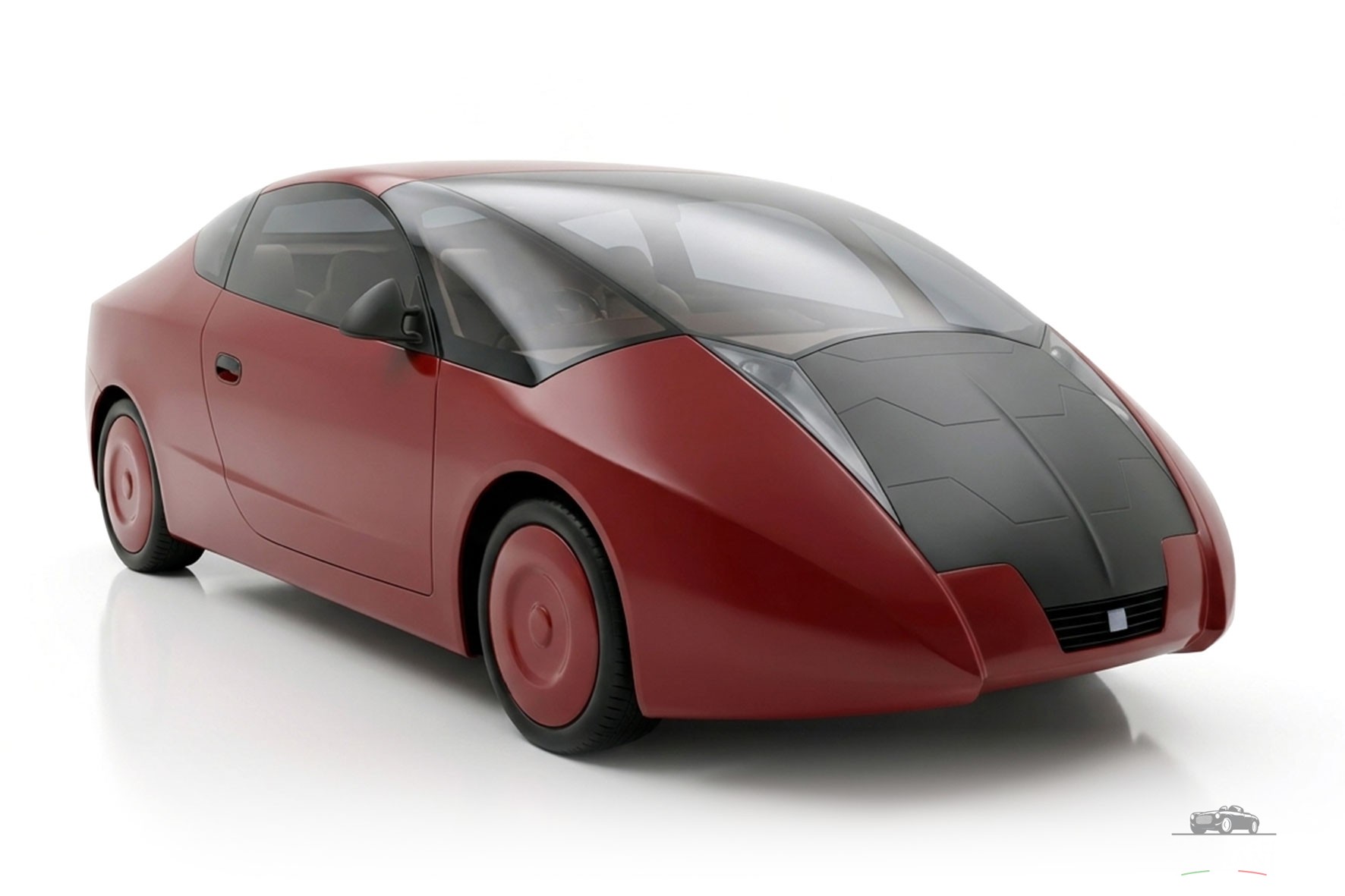
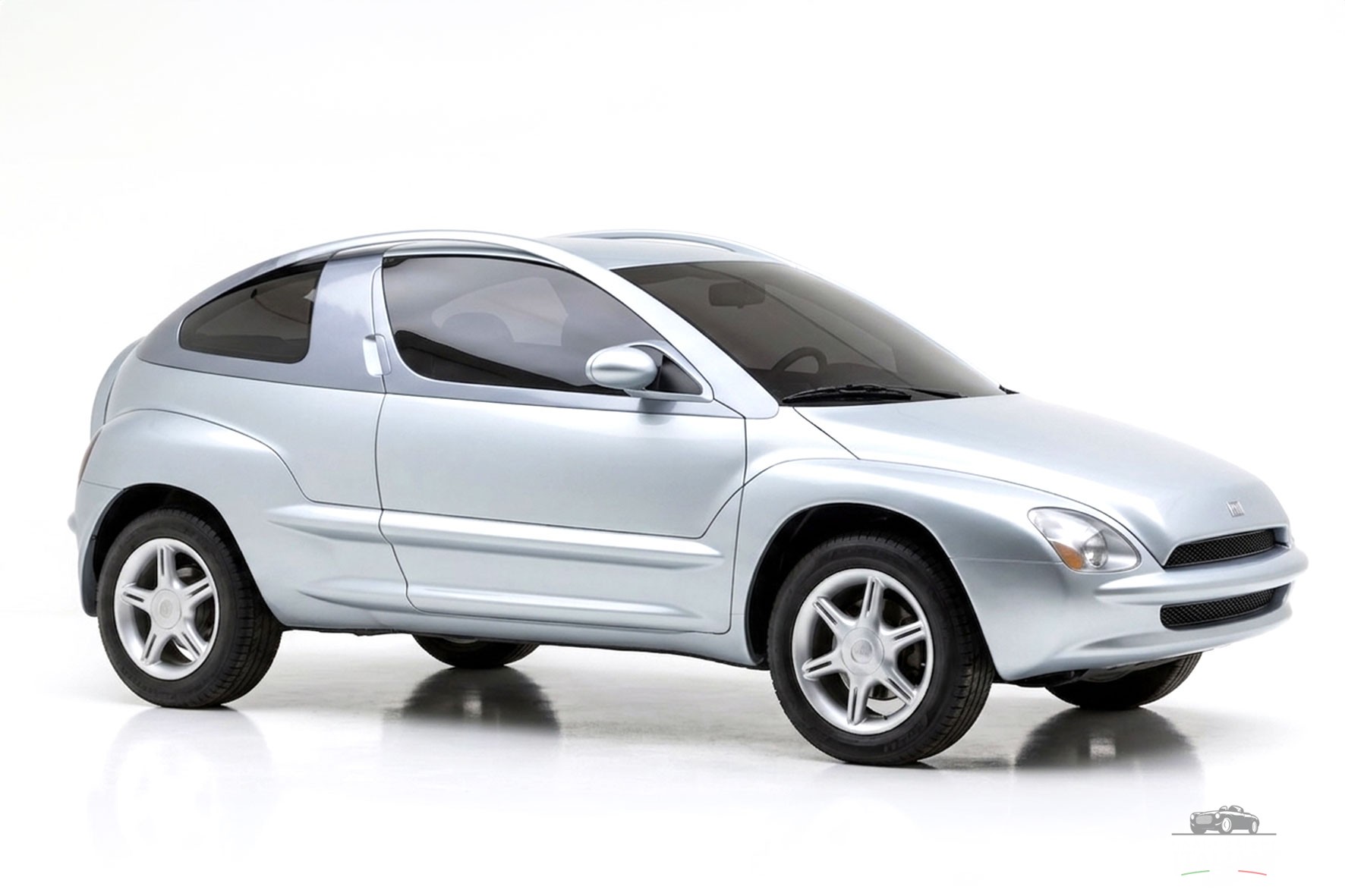
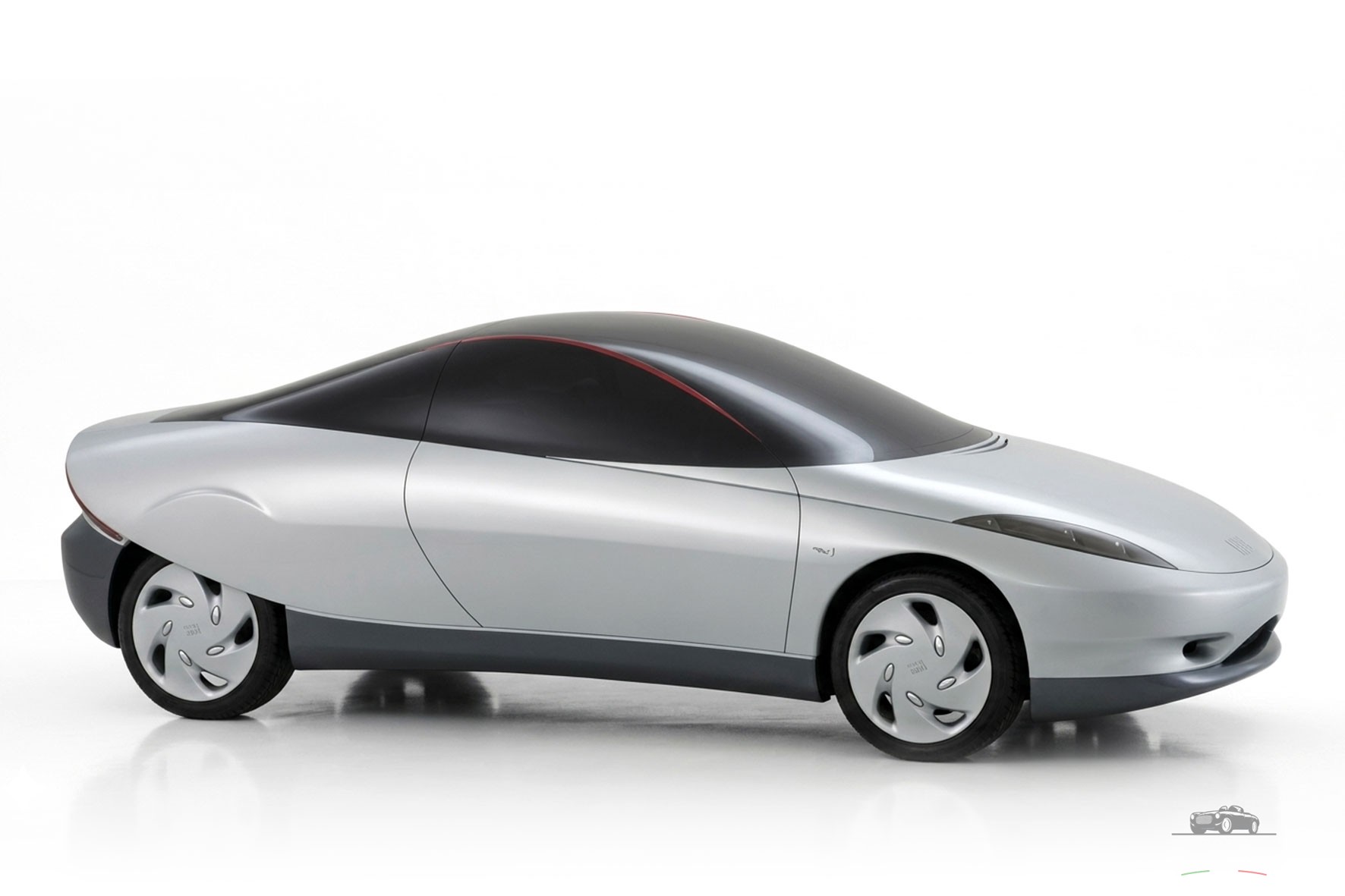
The 66th Turin Motor Show, held from April 24 to May 5, 1996, at the Lingotto exhibition center, marked a significant moment in the evolution of Italian automotive design. The event stood out for the close collaboration between Fiat and some of Italy’s most renowned design houses, resulting in a remarkable showcase of creativity centered around the newly launched Fiat Bravo.
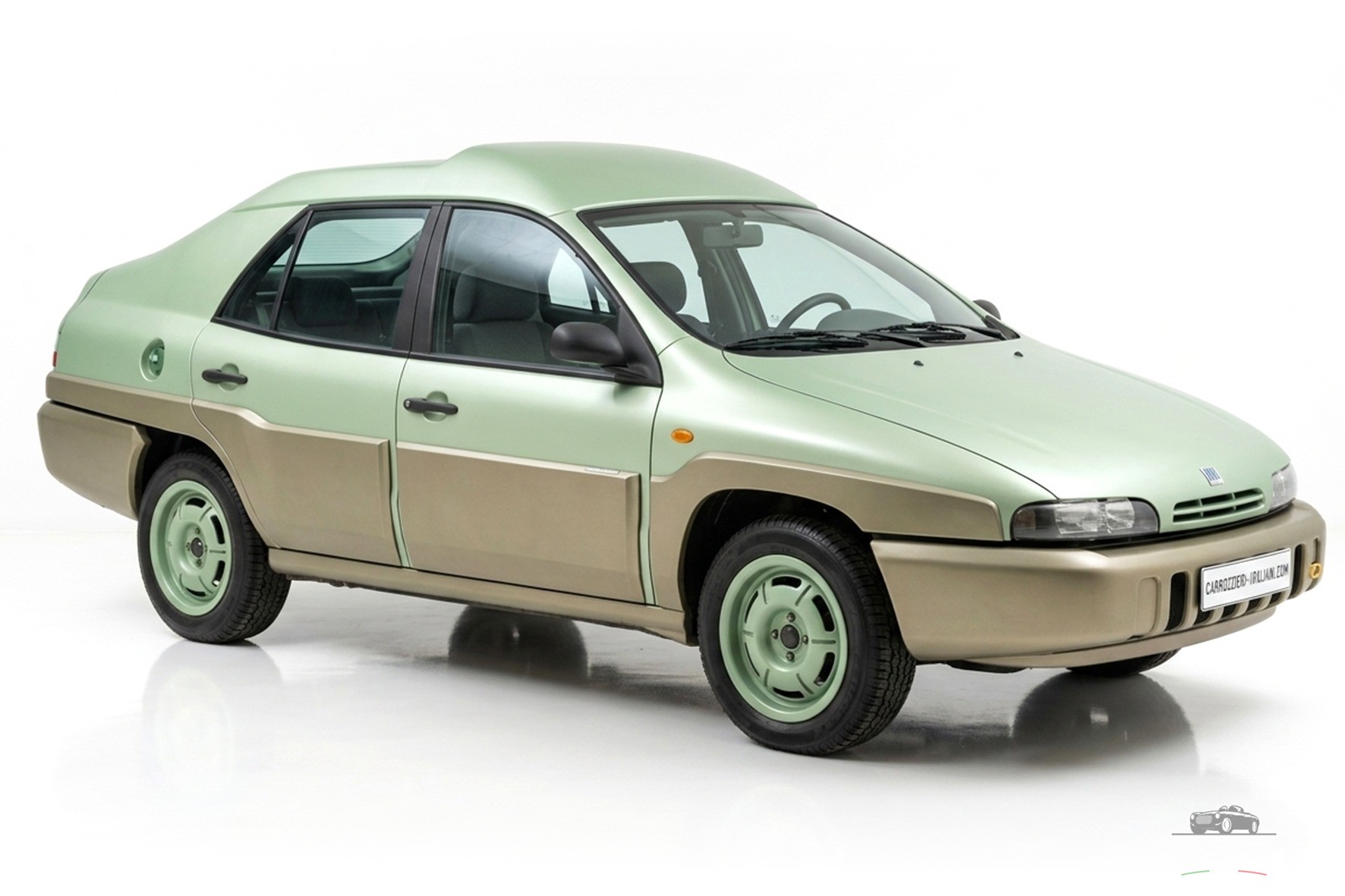
To celebrate this new model, Fiat invited a number of Italian carrozzerie to reimagine the Bravo through a series of concept cars. A total of 25 were created, of which 17 were officially supported by Fiat. Ten of these were part of an official exhibition, while the others were independently developed. These reinterpretations explored various design directions—from SUVs to coupes, from MPVs to compact sports models—demonstrating the platform’s flexibility and the ingenuity of Italian coachbuilding.
The show also featured important contributions from design studios working outside the Bravo program. Pininfarina presented the Eta Beta, an experimental city car developed with hybrid power and lightweight materials such as aluminum and plastic composites. Designed for short- to mid-range commuting, the Eta Beta offered a vision of future urban mobility. Another highlight was the OPAC Più, a convertible concept based on the Peugeot 106, featuring a fully trimmed interior in Alcantara and one of the earliest onboard navigation systems from Blaupunkt, anticipating the digital cockpit trend of the early 2000s.
Stola introduced the Dedica, a refined and exclusive reinterpretation of the Fiat Barchetta. The car received both visual and technical enhancements, focusing on craftsmanship and individuality.
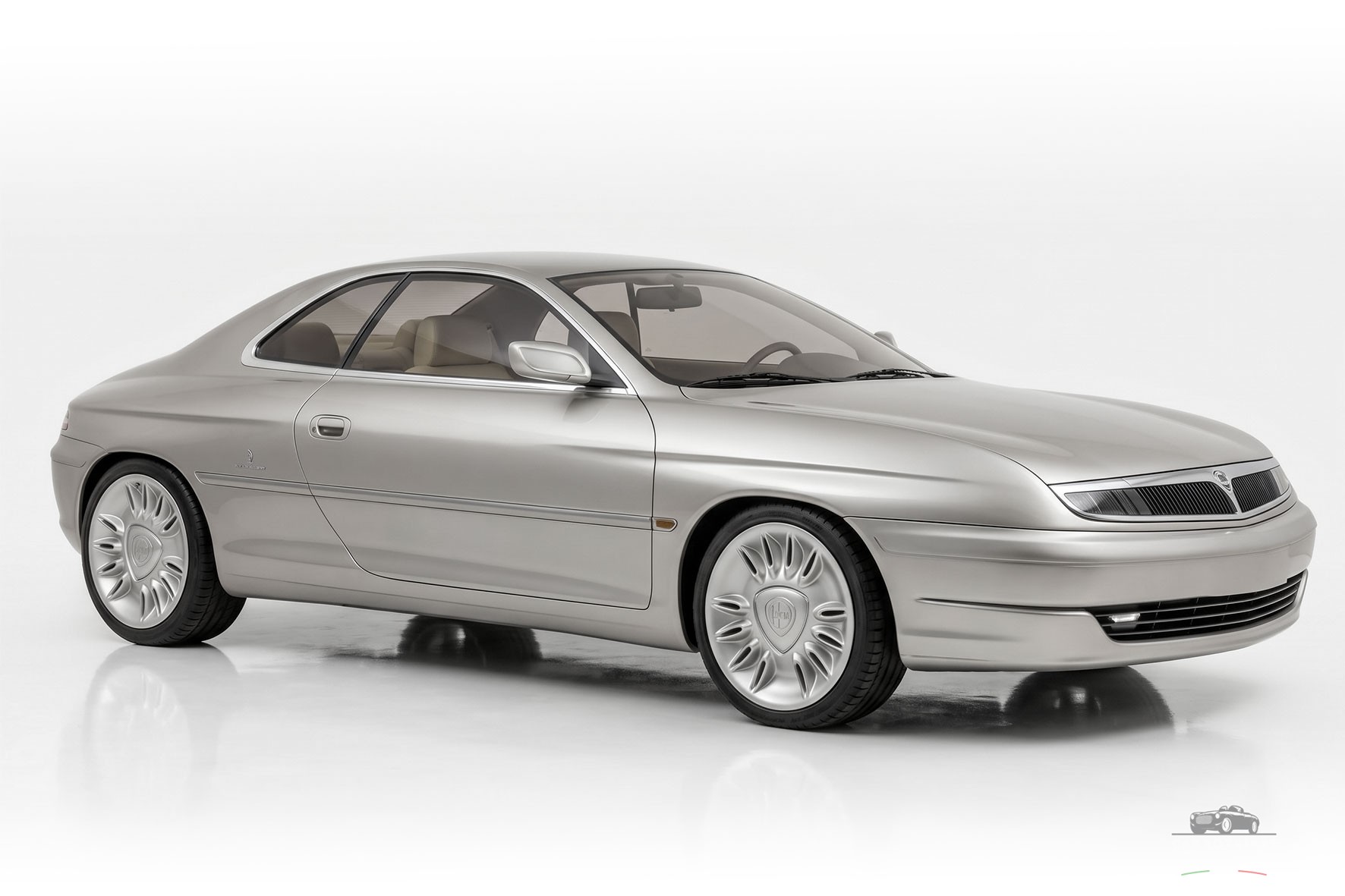
The 1996 Turin Motor Show showcased the enduring strength of Italy’s carrozzeria culture. It was not only a platform for production models but also a laboratory of design experimentation. The event highlighted how traditional coachbuilders remained vital actors in defining future trends, even as the automotive world moved toward greater industrialization and global consolidation.
FROM THE EVENT ARCHIVE
Photo gallery


CONTINUE EXPLORING
Participating Cars








THE EVENT ARCHIVE
THE CONVERSATION
Comments 0