
Zagato
AT A GLANCE
- Founded
- 1919-04-19
- Historical city
- Milan
- Country
- Italy
AWARDS & RECOGNITION
Palmarès
Vehicle awards
- Best of Show
- 3
- Car of the Year
- 2
- Class wins
- 32
- Design awards
- 4
- Public choice
- 1
- Special prizes
- 10
- Race wins
- 4
- Awards
- 3
59 vehicle award records
Class Winner
Alfa Romeo SZSpecial Prize
Fiat 1100 TV ZagatoClass Winner
Ferrari 250 GT Competizione ZagatoDesign Award for Concept Cars & Prototypes
Alfa Romeo 8C DoppiaCoda ZagatoConcorso d'Eleganza Villa d'Este 2025
Concept Cars & Prototypes
Class B Winner
Alfa Romeo P3 Tipo B ZagatoConcorso d'Eleganza Villa d'Este 2025
B — Sculpture in Motion
Best of Show
Alfa Romeo P3 Tipo B ZagatoConcorso d'Eleganza Villa d'Este 2025
Overall — Jury
Special Prize
Aston Martin DB4 GT ZagatoClass Winner
Maserati A6G/54 Berlinetta ZagatoThe Phil Hill Cup
Maserati 450S Zagato CoupéSpecial Prize
Maserati A6G 2000 Spyder Zagato2024 Pebble Beach
Class Winner
Alfa Romeo Giulietta SVZSpecial Prize
Maserati A6G 2000 ZagatoJules Heumann Most Elegant Open Car
Maserati A6G 2000 Spyder ZagatoChassis 2101
Best in Class - Maserati Road Cars
Maserati A6G 2000 Spyder ZagatoChassis 2101
P-1 Maserati Road Cars
Hans-Hedtke-Pokal — Classic-Gala Coachbuilt Pre-war
Lancia Aprilia Sport ZagatoSpecial Prize
Ferrari 250 GT Competizione ZagatoMention of Honour - Class D
Ferrari 250 GT ZagatoChassis 0515GT
Concorso d'Eleganza Villa d'Este 2022
Class D
Carrozzieri Italiani Car of the Year
Alfa Romeo Giulia SWB ZagatoClass Winner
Maserati A6G 2000 ZagatoClass Winner
Fiat 600 ZagatoCarrozzieri Italiani Car of the Year
Iso Rivolta GTZClass Winner
Lancia Flaminia Sport II SeriesAward by Public Referendum
Alfa Romeo 6C 1750 GS Spider ZagatoClass Winner
Alfa Romeo 6C 1750 GS Spider ZagatoClass Winner
Aston Martin V8 Vantage Coupé ZagatoClass Winner
Lancia Flaminia Super SportClass Winner
Alfa Romeo TZ3 StradaleBest of Show
Lamborghini 3500 GT ZagatoClass Winner
Lamborghini 3500 GT ZagatoClass Winner
Moretti 750 GTZClass Winner
Fiat 8V ZagatoClass Winner
Lancia Flavia Super SportClass Winner
Maserati A6 1500 GT PanoramicaClass Winner
Lancia Flavia Super SportClass Winner
Ferrari 250 GT Competizione ZagatoClass Winner
Ferrari 250 GT ZagatoDesign Award for Concept Cars and Prototypes
Aston Martin V12 Zagato CoupéOutstanding 12-Cylinder Ferrari
Ferrari 250 GT ZagatoChassis 0515GT
Design Award for Concept Cars & Prototypes
Alfa Romeo TZ3 CorsaClass Winner
Alfa Romeo Giulia TZ2Class Winner
Ferrari 250 GT Competizione ZagatoBest of Show
Maserati A6G 2000 Spyder ZagatoChassis 2101
Class winner
Maserati A6G 2000 Spyder ZagatoChassis 2101
Special Prize
Ferrari 250 GT ZagatoClass Winner
Alfa Romeo 1900C SS ZagatoBest Concept
Lamborghini RaptorClass Winner
Ferrari 250 GT ZagatoSpecial Prize
Ferrari 250 GT ZagatoClass Winner
Lancia Flaminia Sport II SeriesCompasso d'Oro
Abarth 1000 Bialbero Zagato1960 Compasso d'Oro
Class Winner
Bandini 750 GT ZagatoClass X — 1st prize
Fiat 500 Topolino Panoramica ZagatoV Concorso Internazionale di Eleganza – Pincio 1951
X — Group II, one-off closed cars up to 750 cc
Class Winner
Fiat 500 Topolino Panoramica Zagato2° Concorso Internazionale di Eleganza per Autovetture – Lido di Venezia 1950
Class Winner
Maserati V4 SportMille Miglia Winner
Alfa Romeo 8C 2300 MonzaClass Winner
Alfa Romeo 6C 1750 GS Spider ZagatoIV Concorso Internazionale per Automobili – Coppa d'Oro Villa d'Este 1932
Mille Miglia Winner
Alfa Romeo 6C 1750 GS Spider ZagatoMille Miglia Winner
Alfa Romeo 6C 1750 SS Zagato SpiderMille Miglia Winner
Alfa Romeo 6C 1500 SS MM Spider Zagato
THE STORY
Overview
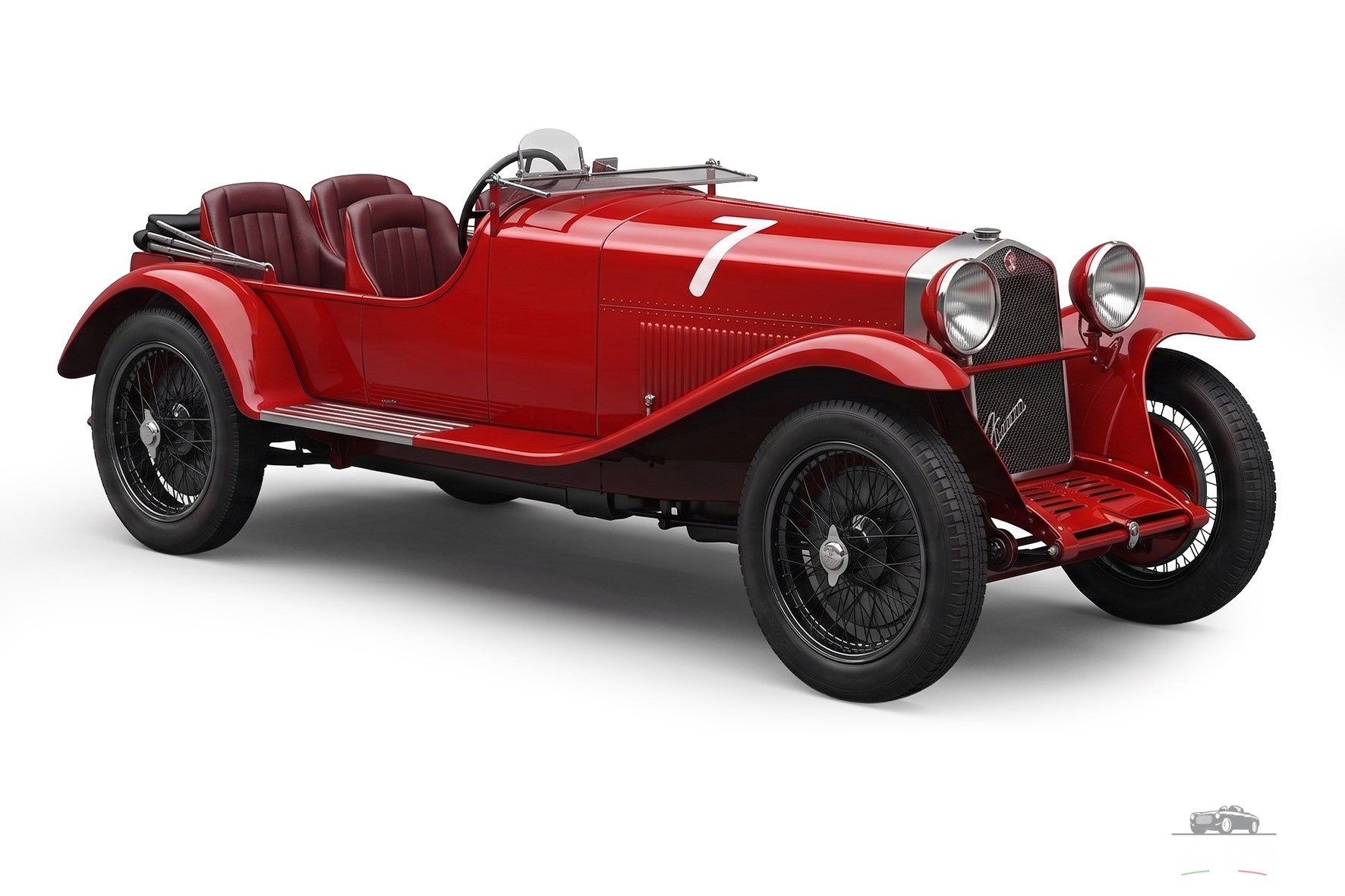
Carrozzeria Zagato was founded in Milan by Ugo Zagato, in 1919, with the intention of transferring to the automotive sector the notions of aeronautical technology learned during the war period, when he had worked for the Aeroplane Factory Ing. O. Pomilio. The first realization was a bodywork that recalled the shape of an airplane nacelle, applied to the chassis with wooden side members of a Fiat 501. Zagato bodies immediately stood out for their advanced design, light weight and excellent aerodynamics. Ugo Zagato’s great insight, already in the first half of the 1920s, was to abandon the use of wooden structures, replacing them with shapely and essential steel frames topped by lightweight aluminum bodies. Out of his studies came special versions of production models of various car manufacturers, both Italian like Lancia, Maserati and Alfa Romeo but also foreign like Aston Martin. Notoriety came with the Alfa Romeos bodied in the 1930s, such as the 6C 1500 Compressor of 1929, the 6C 1750 Gran Sport (1932), and the 8C 2300. After World War II, activity resumed with the so-called “Panoramica” series (1946), designed by Vieri Rapi based on a design for the Isotta Fraschini Monterosa. The Panoramica were two-seater berlinettas characterized by their large windows (with additional glass above the windshield). Zagato’s business had a real boom in the 1950s and 1960s, especially in the field of Grand Touring cars: Maserati, Lancia, Aston Martin, Abarth, without neglecting the “old love” Alfa Romeo, were dressed with streamlined and aerodynamic lines (characteristic of the Milanese coachbuilder’s cars was the “double bubble” roof). From the 1970s Zagato, under the leadership of Elio Zagato, son of the founder Ugo, as orders from the big car manufacturers dwindled, began to take an interest in industrial design as well. n more recent times the company has come under the management of Andrea Zagato (grandson of the founder) and has its new headquarters in Rho, in the Milanese hinterland: its factory occupies an area of 23,000 square meters, 11,000 of which are covered. Zagato’s most recent operations include the design for ATM Milano (2001 Compasso d’Oro Award) of the Eurotram based on the Bombardier Flexity Outlook. It also showed up at the Geneva motor show in 2007 with the Diatto Ottovù concept. In 2010 it celebrated Alfa Romeo’s centenary by presenting the Alfa Romeo TZ3 Corsa, which won the design concept award at the Concorso d’eleganza Villa d’Este; a year later it began small-series production of the TZ3 Stradale. In 2012 Zagato collaborated with BMW to create the BMW Zagato Coupé concept, built on a Z4 base and presented at Villa d’Este. In 2015, the Thunder Power Sedan, an electric car made by Taiwanese Thunder, is presented at the Frankfurt Motor Show. More recently it is worth mentioning the collaboration with Aston Martin, the Mostro Coupé and Mostro Barchetta Powered by Maserati, the revival of the Iso Rivolta with the GTZ and the Alfa Romeo Giulia SWB.
KEY MOMENTS
Timeline
-
Birth of Ugo Zagato
Gavello, Italy
-
Foundation of Zagato
Milan, Italy
-
Zagato begins its collaboration with Alfa Romeo
Milan, Italy
-
Zagato’s Milan factory is destroyed by wartime bombing
Milan / Rho, Italy
-
Zagato opens its post-war Via Giorgini factory
Milan / Rho, Italy
-
Zagato relocates to Via Arese in Rho
Milan / Rho, Italy
-
Elio and Gianni Zagato continue the family company after Ugo Zagato’s death
Milan / Rho, Italy
-
Death of Ugo Zagato
Terrazzano di Rho, Italy
PEOPLE & DESIGN
Designers
Elio Zagato
Elio Zagato (1921–2009) was an Italian racing driver and coachbuilding executive involved in Zagato's lightweight GT and electric-vehicle development.
Explore record ↗Ercole Spada
Ercole Spada (1937–2025) was an Italian automotive designer associated with Zagato, BMW and I.DE.A Institute and co-founder of Spadaconcept.
Explore record ↗Flavio Manzoni
Flavio Manzoni is an Italian architect and automotive designer whose career has included design work in Turin, Wolfsburg and Maranello.
Explore record ↗Frank Costin
Frank Costin was a British aerodynamicist and automotive engineer whose work influenced lightweight racing cars and aerodynamic design for Vanwall, Lotus and Marcos.
Explore record ↗Gianni Zagato
Gianni Zagato was an Italian engineer and automotive designer associated with Milan.
Explore record ↗Giuseppe Mittino
Giuseppe Mittino was an Italian automotive designer associated with Zagato and its specialist lightweight sports-car projects.
Explore record ↗View all 16 designers
Elio Zagato
Elio Zagato (1921–2009) was an Italian racing driver and coachbuilding executive involved in Zagato's lightweight GT and electric-vehicle development.
Explore record ↗Ercole Spada
Ercole Spada (1937–2025) was an Italian automotive designer associated with Zagato, BMW and I.DE.A Institute and co-founder of Spadaconcept.
Explore record ↗Flavio Manzoni
Flavio Manzoni is an Italian architect and automotive designer whose career has included design work in Turin, Wolfsburg and Maranello.
Explore record ↗Frank Costin
Frank Costin was a British aerodynamicist and automotive engineer whose work influenced lightweight racing cars and aerodynamic design for Vanwall, Lotus and Marcos.
Explore record ↗Gianni Zagato
Gianni Zagato was an Italian engineer and automotive designer associated with Milan.
Explore record ↗Giuseppe Mittino
Giuseppe Mittino was an Italian automotive designer associated with Zagato and its specialist lightweight sports-car projects.
Explore record ↗Luigi Rapi
Luigi Fabio Rapi \(1902–1977\) was an Italian engineer, automotive stylist and illustrator. He worked with Isotta Fraschini and Zagato, designed the body of the Bertone-built Stanguellini 1100 Berlinetta, and later worked at Fiat, Simca and Autobianchi. His automotive illustrations also appeared in Italian motoring publications and books.
Explore record ↗Marek Reichman
Marek Reichman joined Aston Martin as director of design in 2005, shaping the marque\'s modern styling through projects including the One-77, DB11 and Valkyrie. His work spans road-going grand tourers and limited-production sports cars, alongside leadership of Aston Martin\'s design organisation.
Explore record ↗Norihiko Harada
Norihiko Harada is a Japanese automotive designer who worked at I.DE.A Institute under Ercole Spada before joining Zagato in 1994 as design director. His Zagato portfolio includes the Lamborghini Raptor, Aston Martin DB7 Zagato, Ferrari 575 GTZ and Alfa Romeo TZ3 Corsa, connecting Italian coachbuilding with international sports-car manufacturers.
Explore record ↗Robert Opron
Robert Opron \(1932-2021\) succeeded Flaminio Bertoni as Citroen\'s head of styling in 1965. His work shaped the Ami 8, GS, SM and CX, before he moved to Renault, where he contributed to models including the Fuego.
Explore record ↗Sergio Scaglietti
Sergio Scaglietti founded his Modena coachbuilding workshop in the early 1950s. Closely associated with Ferrari, he produced hand-formed aluminium bodies for celebrated competition cars and grand tourers, including the 250 Testa Rossa and 250 GT California Spider. His role combined coachbuilding craftsmanship with business leadership.
Explore record ↗Vehicles at a glance
- Related vehicles
- 277
- Concepts
- 26
- Prototypes
- 15
- One-offs
- 78
- Limited series
- 148
- Fuoriserie
- 3
- Design proposals
- 4
Recorded vehicle awards
- Best of Show
- 1
- Class wins
- 3
- Special prizes
- 2
- Awards
- 1
CONTINUE EXPLORING
Related vehicles

FROM THE JOURNAL
Related Articles
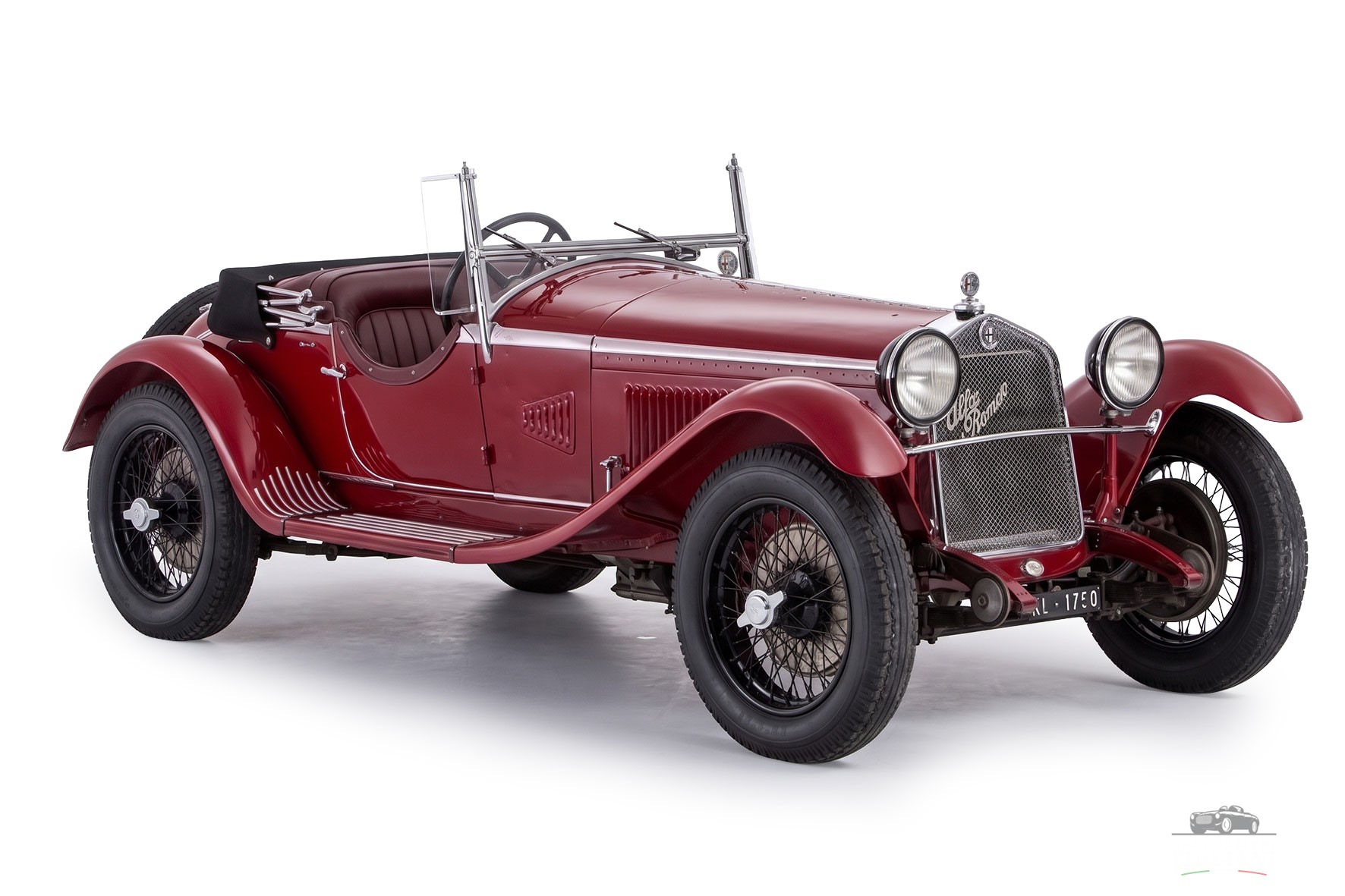
Alfa Romeo 6C 1750 Zagato: The Making of a Legend
The story of the Alfa Romeo 6C 1750 Zagato, from Vittorio Jano and Ugo Zagato to Nuvolari’s legendary 1930 Mille Miglia victory.
Read story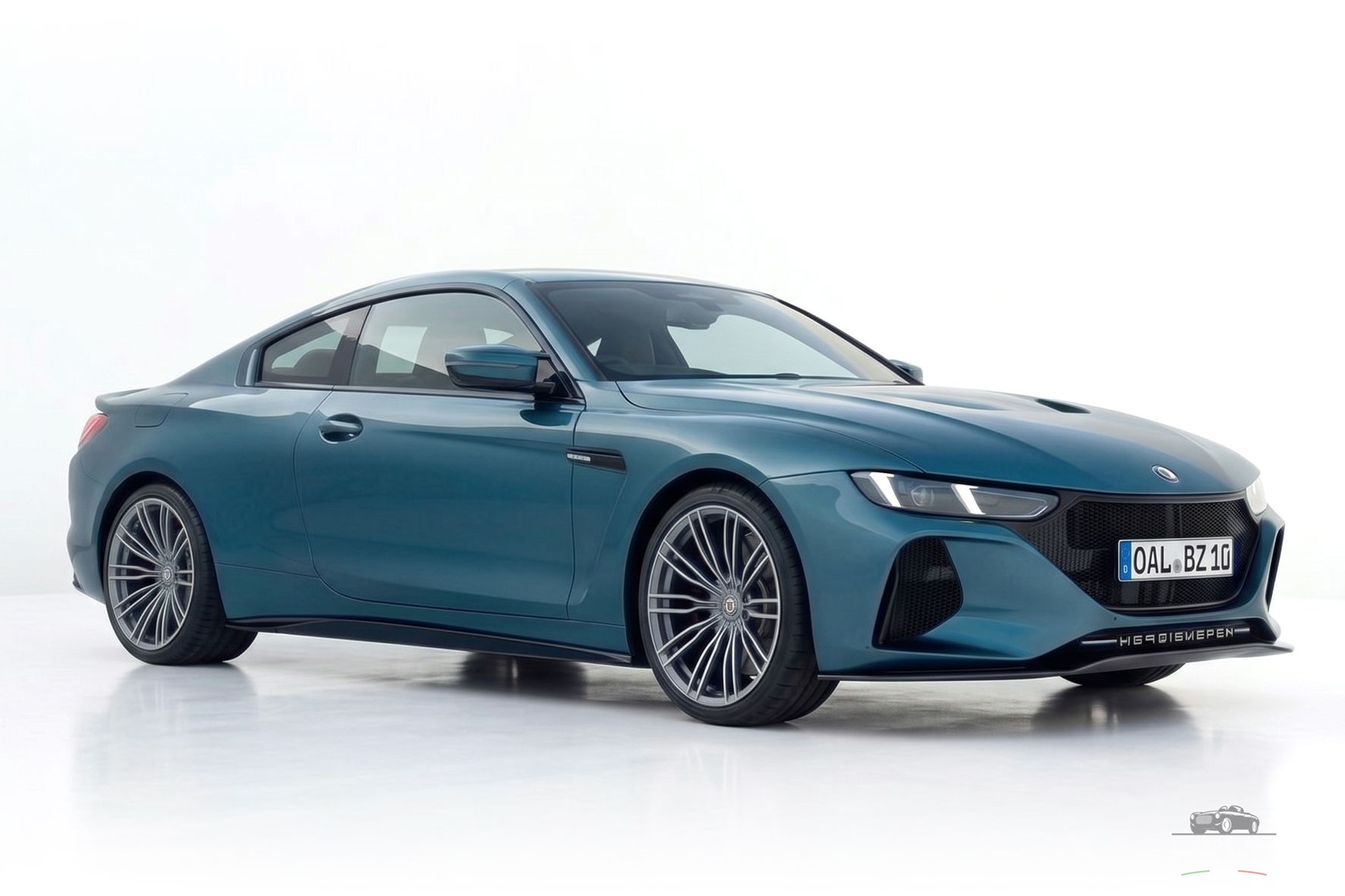
Bovensiepen Zagato Now Available to Order: Limited to 99 Units at Nearly €370,000
The Bovensiepen Zagato blends BMW engineering with Italian design: 611 hp, only 99 units, bespoke interiors and a starting price of €369,495.
Read story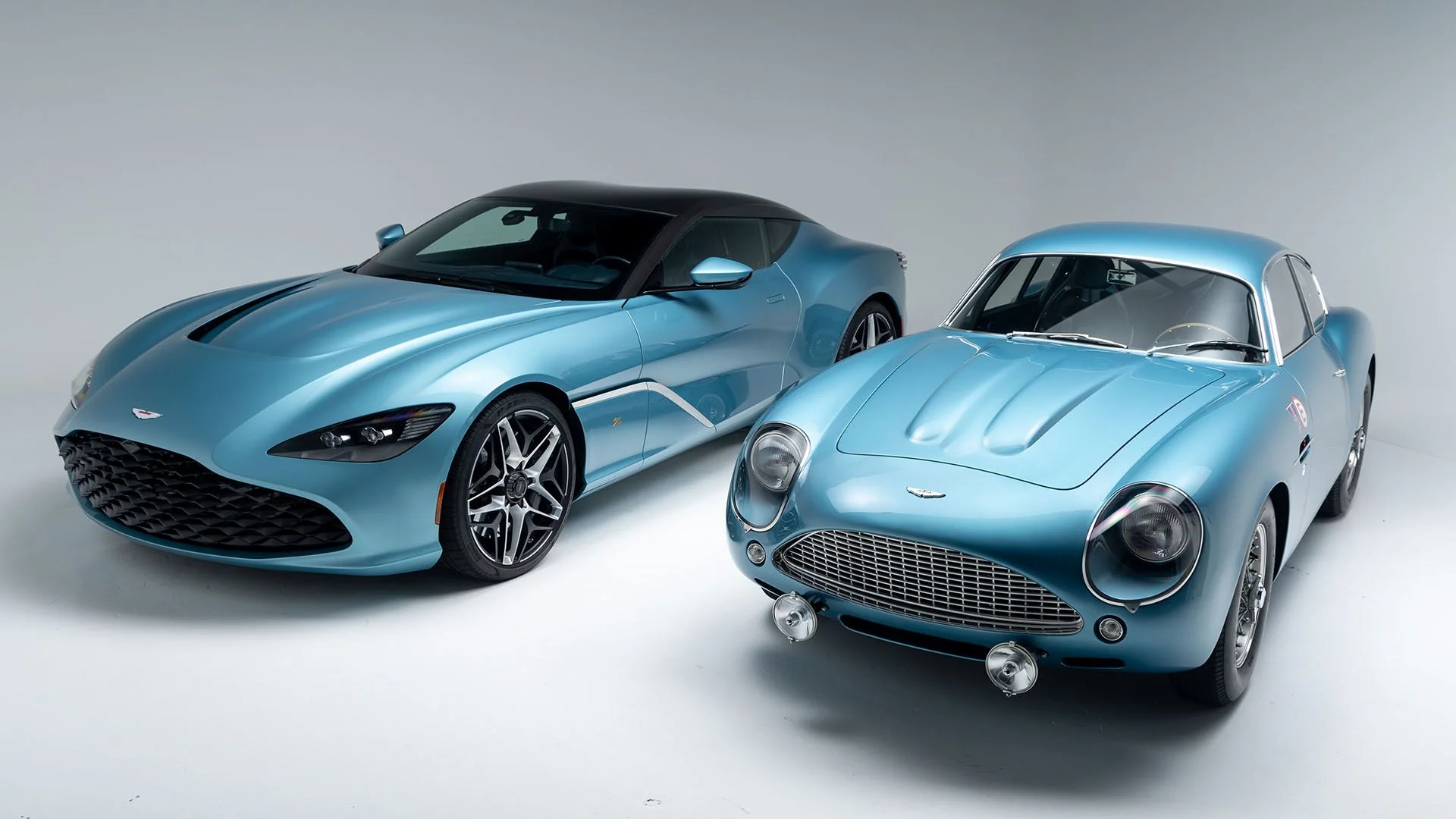
The Partnership between Zagato & Aston Martin
From the DB4GT to the DBS GT, the Aston Martin–Zagato story unfolds through limited-run marvels, design breakthroughs, and a partnership that reshaped the GT world.
Read story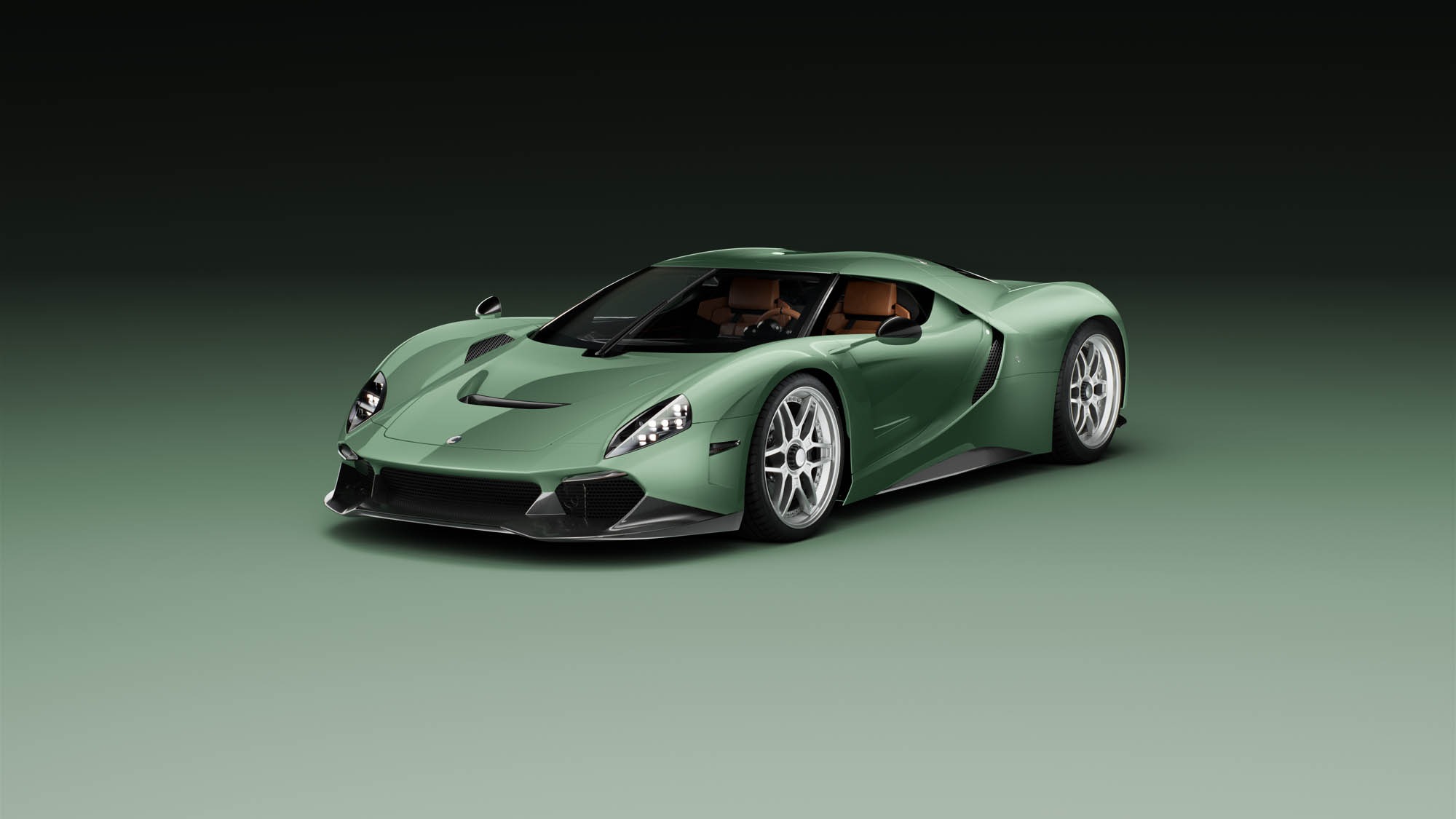
Capricorn 01 Zagato Unveiled: 900+ PS, V8, Manual, Carbon Fibre Hypercar
Capricorn unveils the 01 Zagato, a 900+ PS V8 manual, mid-engined carbon-fibre hypercar designed by Zagato and handbuilt in Germany, limited to 19 units.
Read story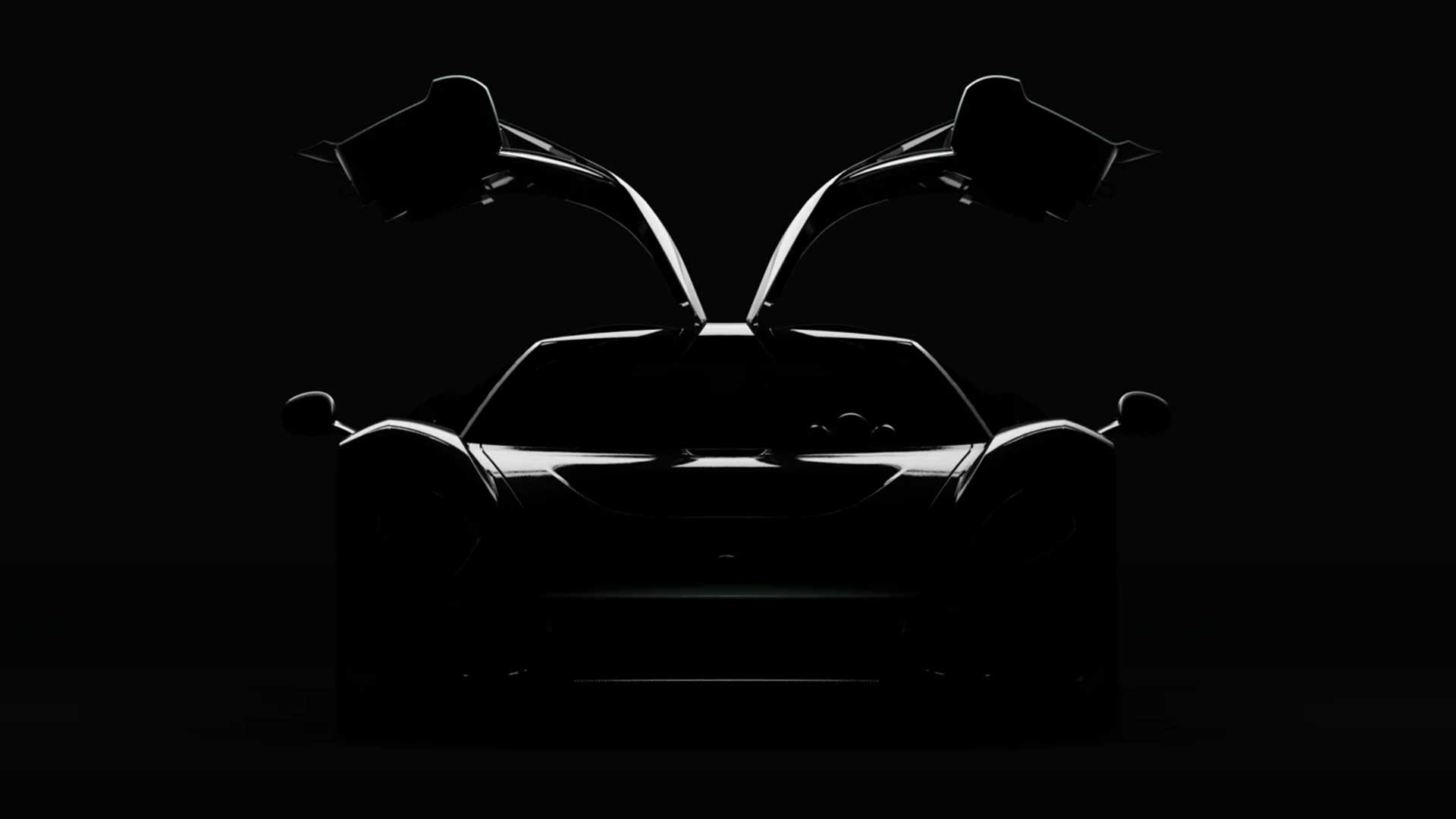
capricorn and Zagato Reveal Ultra-Limited Hypercar
capricorn and Zagato unveil their first-ever Zagato-bodied hypercar: a limited run of 19 handbuilt, analogue-focused coupes combining German lightweight engineering with iconic Italian design, debuting at Zoute Grand Prix 2025.
Read story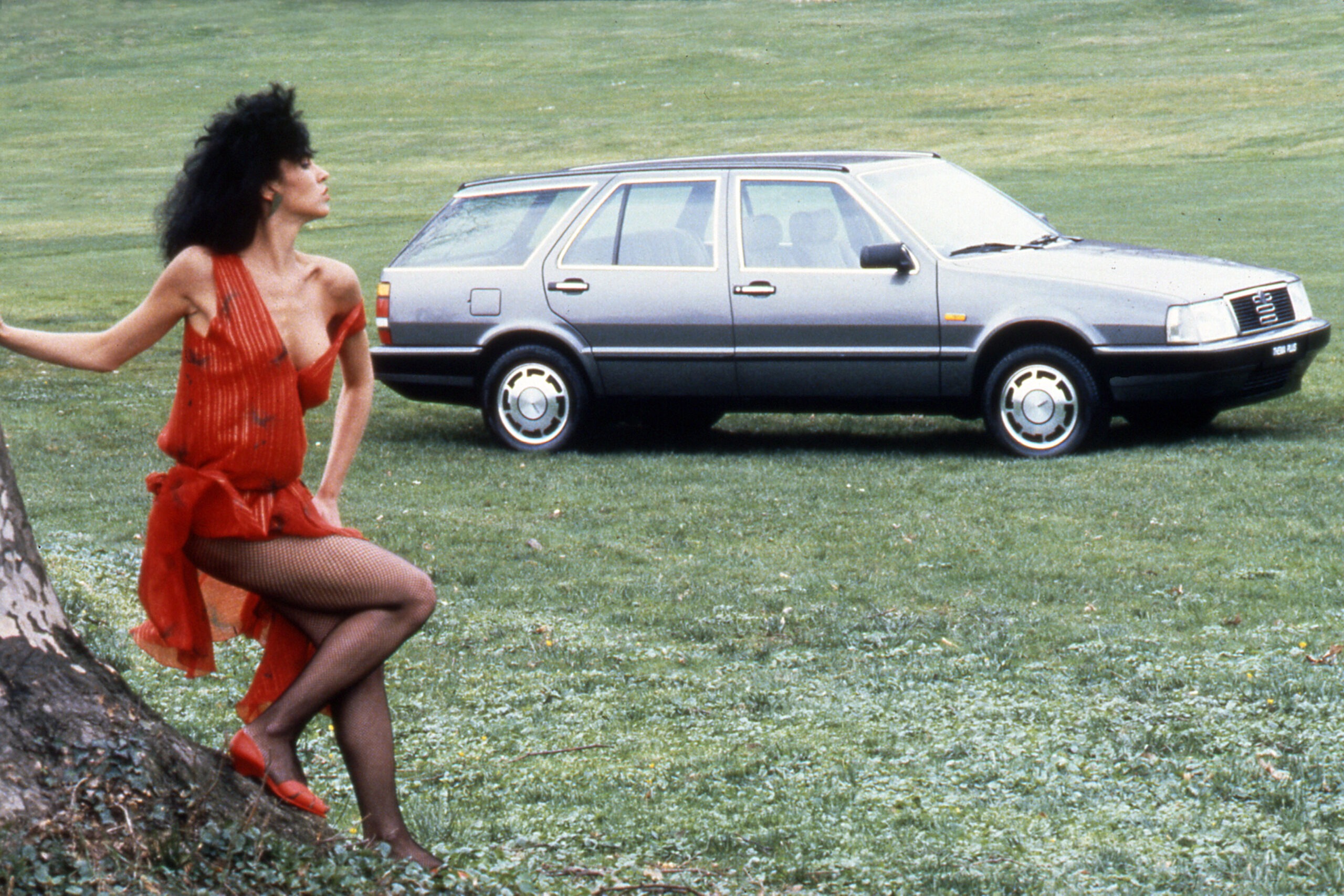
Lancia Thema Plus by Zagato: The One-Off That Refused to Be Forgotten
In 1985, Zagato turned the elegant Lancia Thema into a sleek station wagon prototype — gifted, abandoned, resurrected, and now celebrated. Meet the Thema Plus, a true one-off with a coachbuilt soul…
Read story
THE CONVERSATION
Comments 0