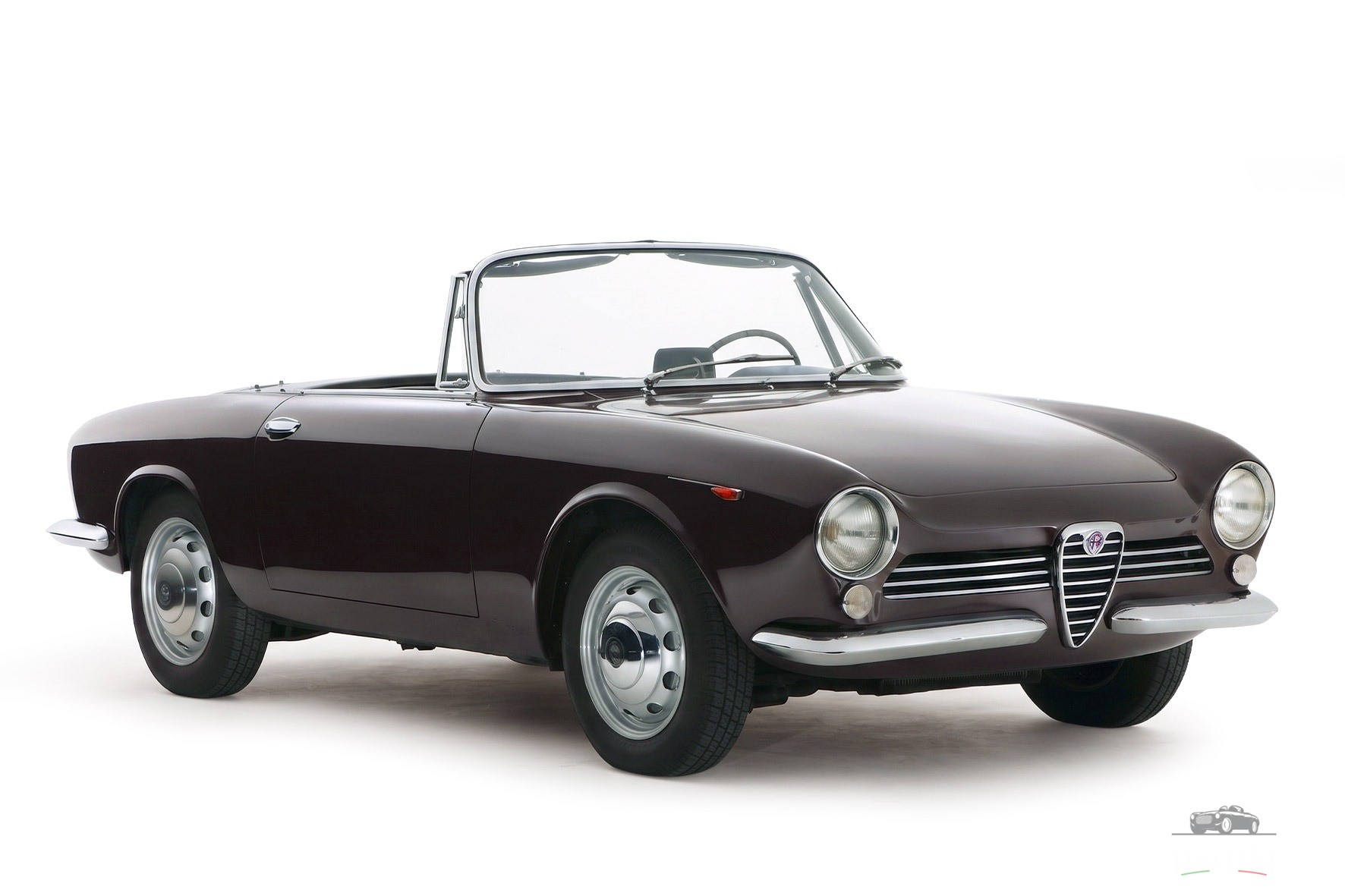
The Alfa Romeo Giulia GT Spider of 1963 is a one-off, two-seat open prototype built by Bertone and subsequently developed by Alfa Romeo’s Centro Stile. The surviving car is identified by chassis 10503*00002. It represents an abandoned open-body alternative within the Giulia programme, not a production derivative or an early example of the later Giulia GTC. Its development combined Bertone’s initial proposal with subsequent design work attributed to Ernesto Cattoni at Alfa Romeo.
Origins and design responsibility
The project arose as Alfa Romeo considered how to replace its existing open sports car while introducing the new Giulia Sprint GT family. That coupé was designed by Giorgetto Giugiaro during his employment at Bertone. The open proposal retained elements of the emerging GT design language, but its shorter wheelbase and two-seat configuration demanded a different body structure. Specialist accounts refer to early Bertone work in 1961 or 1962, whereas the surviving prototype is generally catalogued as a 1963 car; a complete period chronology has not yet been established.
The design attribution requires particular care. Bertone is documented as coachbuilder, while Ernesto Cattoni is associated with the Centro Stile Alfa Romeo revisions to the front and rear. The surviving car therefore cannot be assigned without qualification to the designer of the production Giulia GT coupé. The later front treatment incorporates a prominent Alfa Romeo shield and round headlamps; the rear was also substantially reworked.
Body, chassis and mechanical configuration
The individual chassis, 10503*00002, is recorded with a 2,241 mm wheelbase, appreciably shorter than the production Giulia GT’s 2,350 mm. The body is a two-door, two-seat spider. Specialist documentation records metallic bronze exterior paint and a bronze-and-red interior, and describes evidence of the original bronze finish beneath a later white repaint. The sequence and extent of the body’s alterations still require comparison with factory documentation and dated photographs.
Technical records for this chassis report a 1,570 cc Alfa Romeo twin-cam four-cylinder engine, five-speed manual gearbox and rear-wheel drive. They also quote 106 hp at 6,000 rpm, a maximum speed of 180 km/h, and overall dimensions of 3,962 × 1,550 × 1,296 mm. These numbers are reported specifications rather than confirmed measurements from an original factory build sheet. Published descriptions differ on the braking installation; the prototype’s exact brake configuration remains unresolved. No engine serial has been established.
Survival and documented history
The prototype did not enter series production and survived as a unique chassis. It is documented in the Lopresto Collection by 2002. A FIVA identity card numbered 19407 was issued on 24 April 2002, and the Alfa Romeo/RIAR certification numbered 0695 is recorded on 10 May 2003. These dated records support the car’s later history without establishing every earlier transfer of ownership.
The car participated in the Concorso d’Eleganza Villa d’Este on 26–28 April 2002 as entry 70, and appeared at Regine a Re in Reggio Emilia on 26 May 2002, where the specialist history records the Trofeo Auto Fuoriserie. Its documented appearances also include the Gran Premio Nuvolari in 2005, Salvarola Terme in 2007, the Coppa Milano–Sanremo in 2008, Terre di Canossa in 2013 and Rétromobile in 2015. The collection records a class distinction at Salvarola and a joint fair award in Stuttgart in 2010. These awards still require reconciliation against the site’s canonical event and award records.
Position within Alfa Romeo’s open-car programme
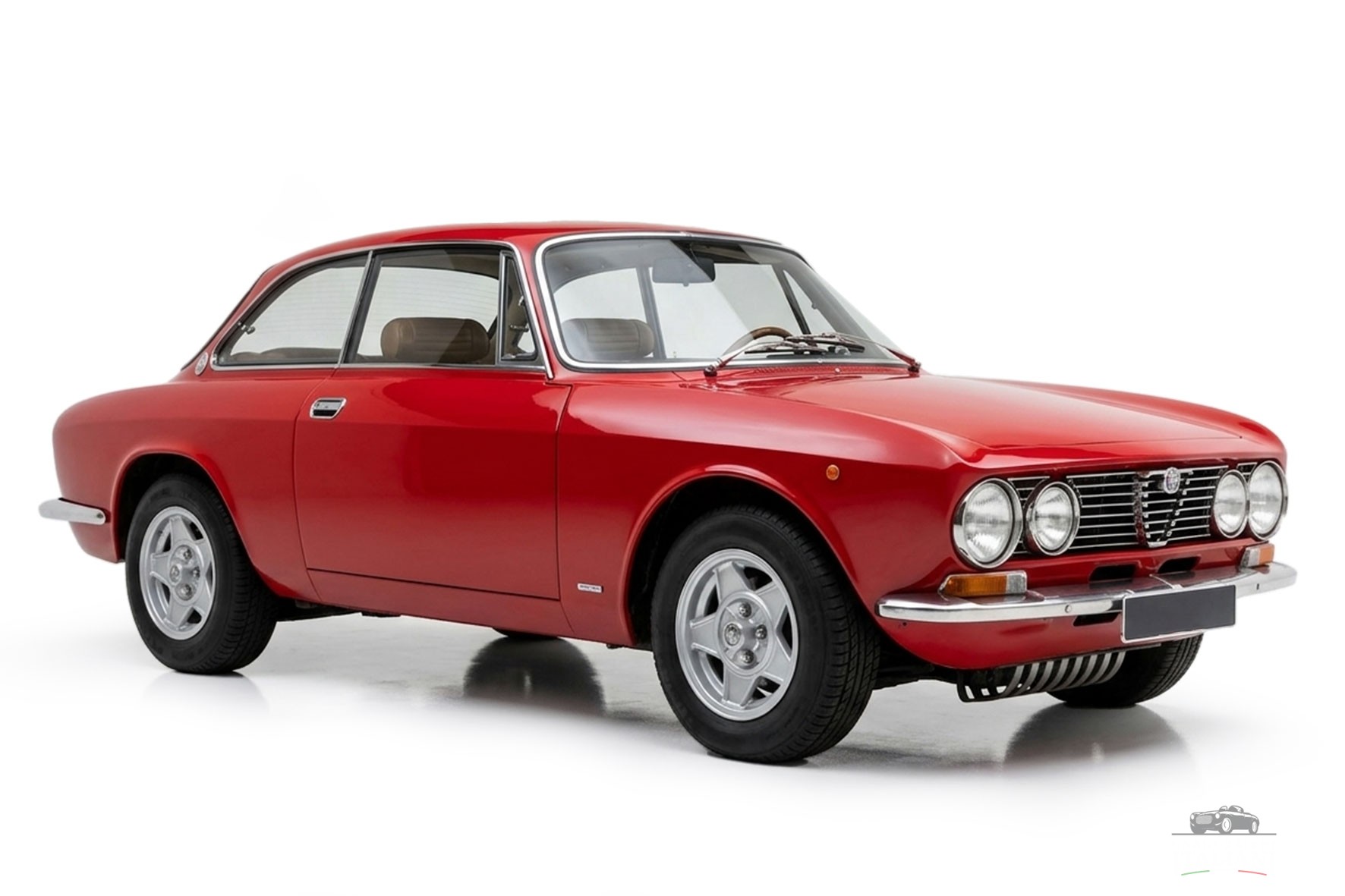
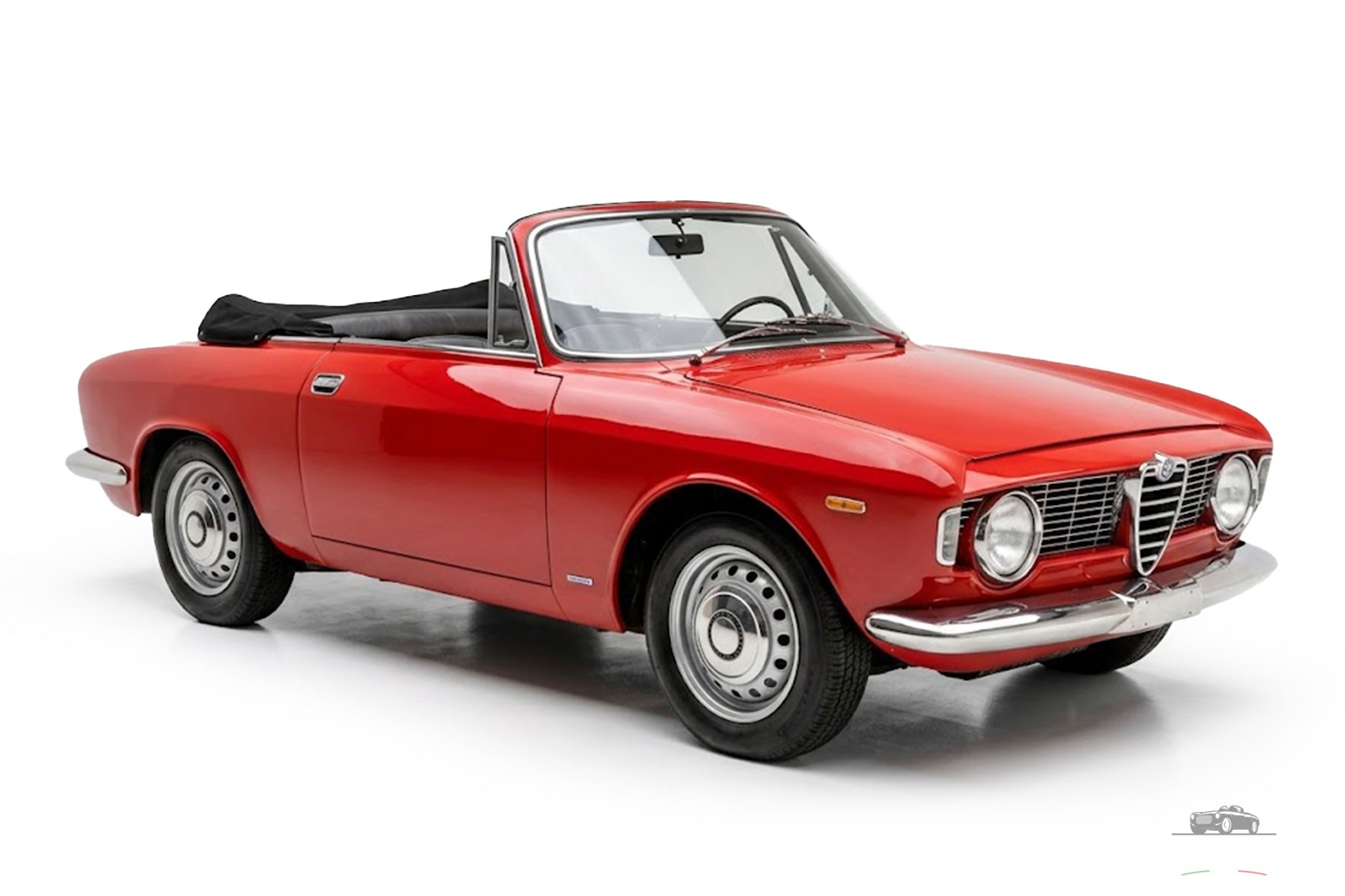
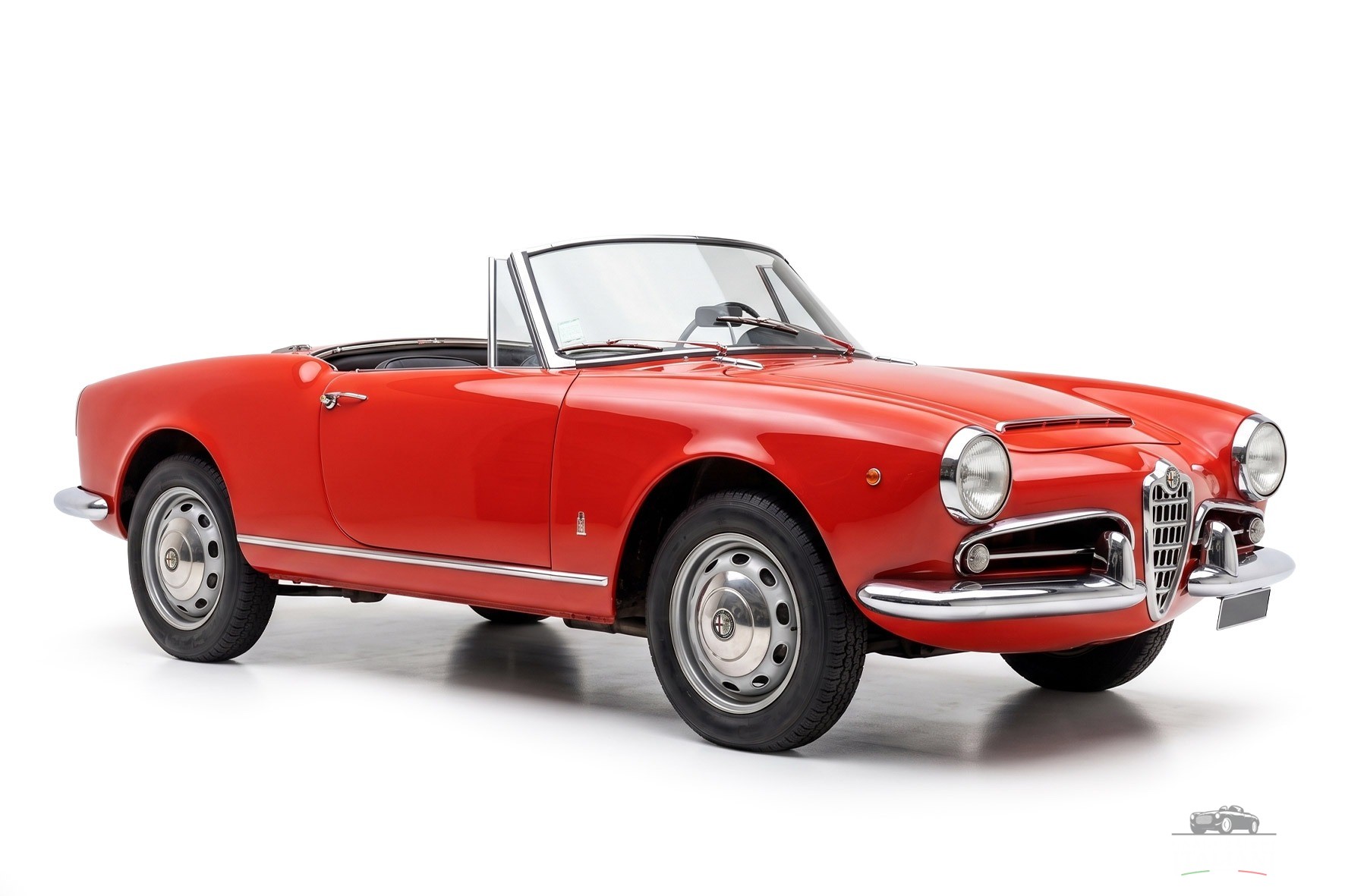
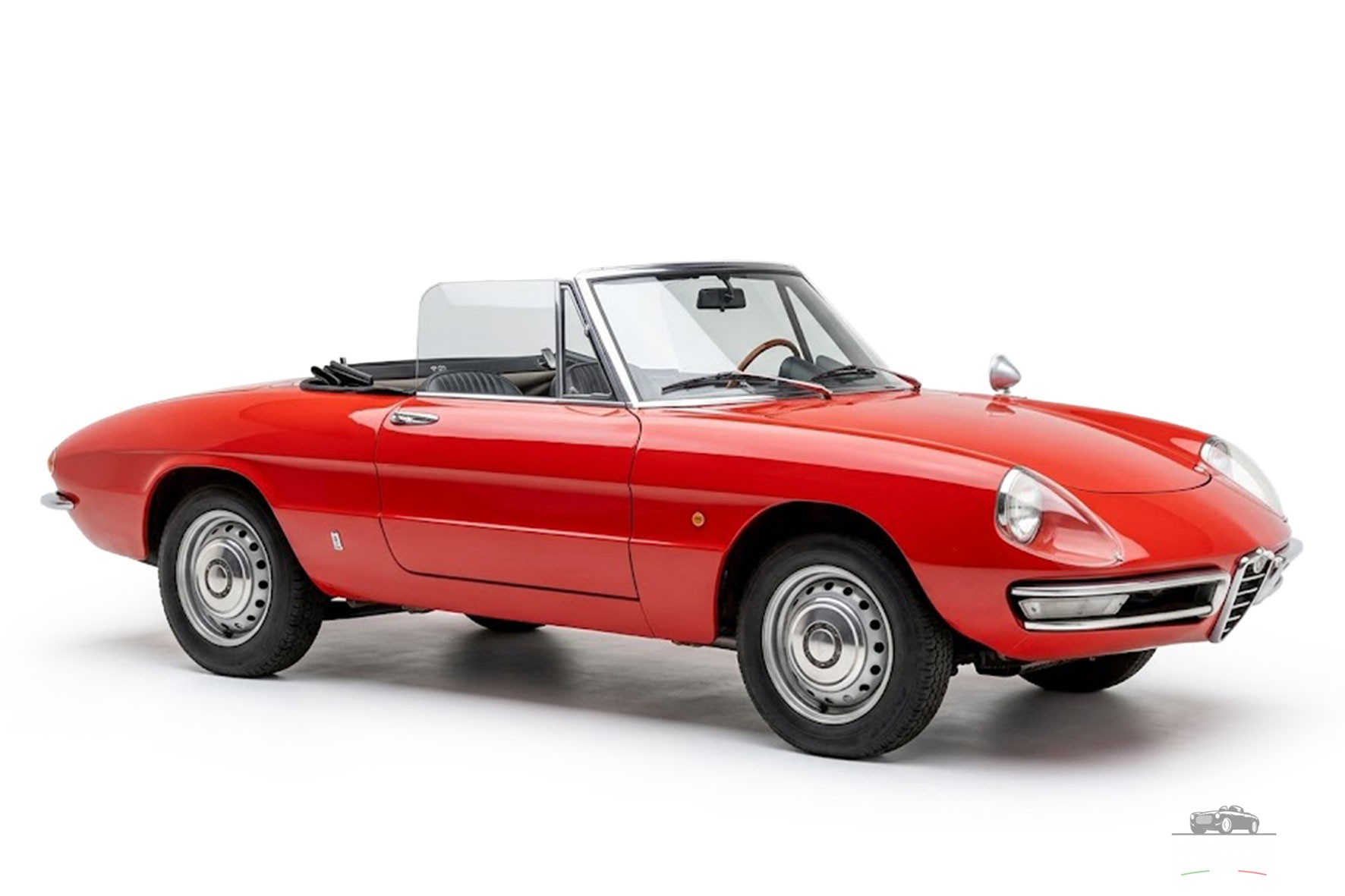
The Giulia GT Spider should be distinguished from the earlier Giulia Spider and from the Giulia GTC, Touring’s four-seat convertible version of the GT coupé. Alfa Romeo’s eventual independent roadster line began with the Pininfarina-bodied Spider of 1966. The development paths of these cars are distinct: the 1963 Bertone/Cattoni prototype remains a record of one explored alternative rather than an ancestor to which the production Spider’s chassis history can be transferred. For broader historical context, see the history of Bertone.




THE CONVERSATION
Comments 0