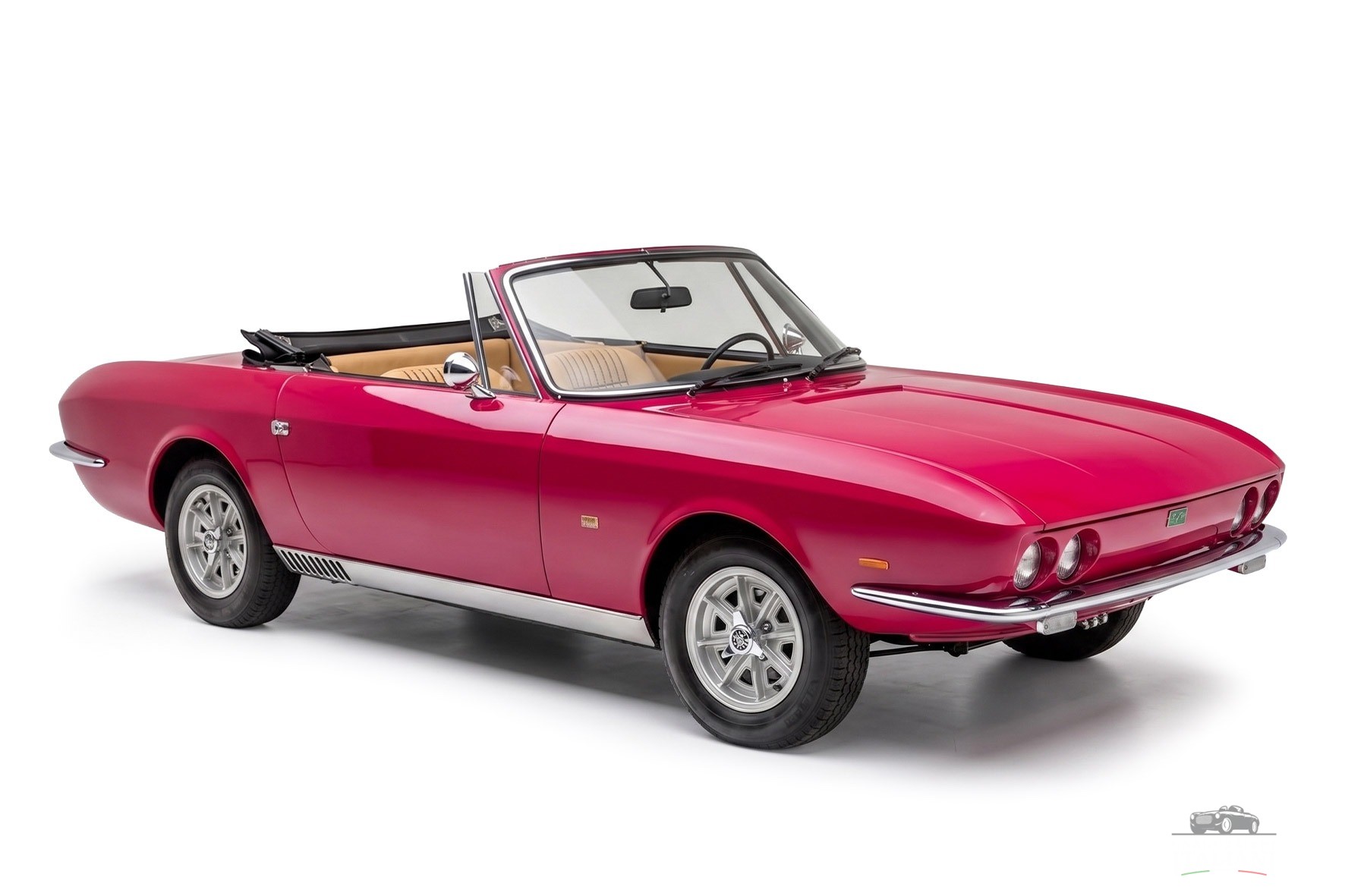
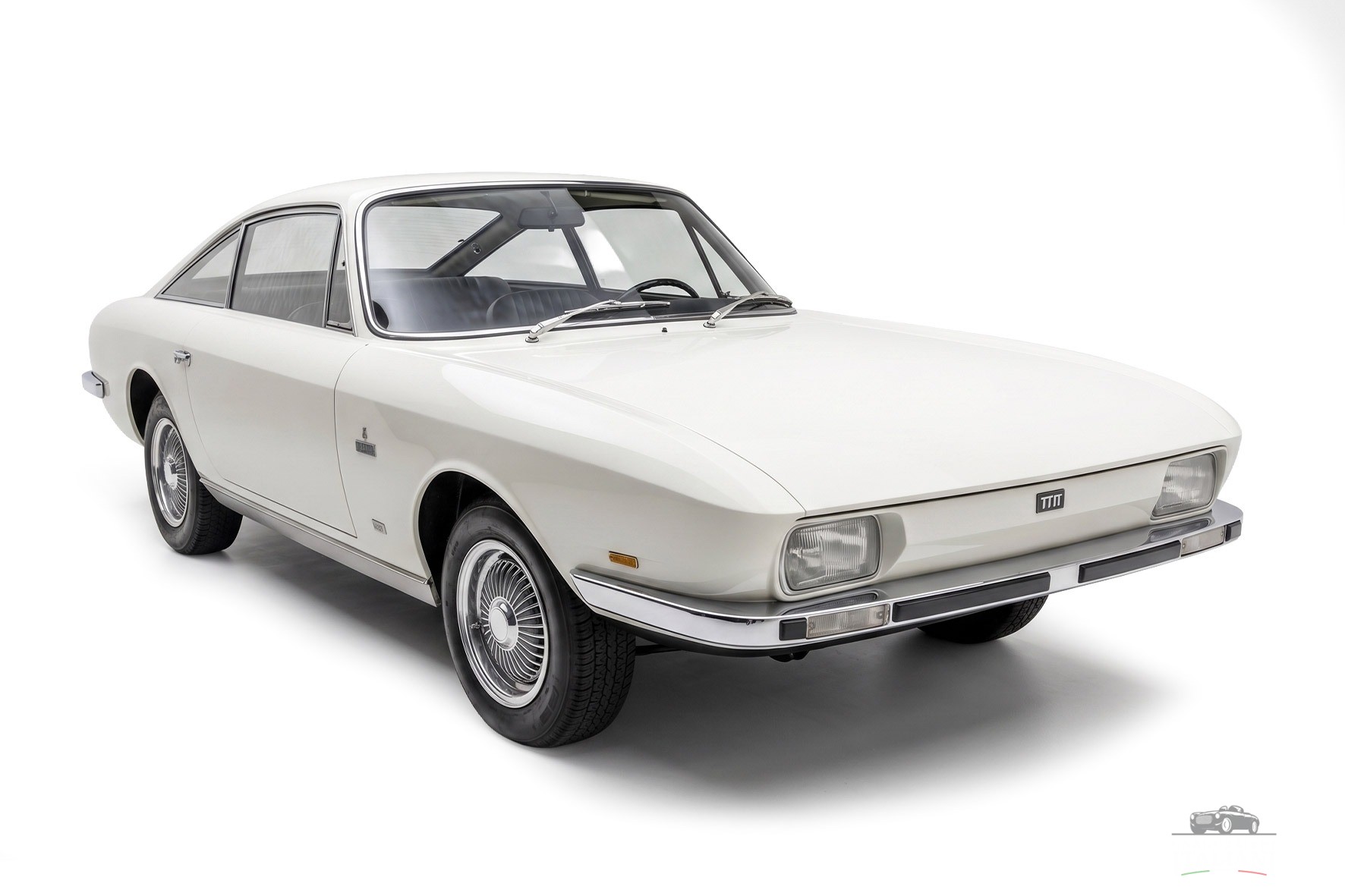
The 1966 TVR Tina Spyder was an open 2+2 prototype commissioned by the British manufacturer TVR, designed by Trevor Fiore and built in Italy by Carrozzeria Fissore. It formed part of a proposed compact sports-car range based on Hillman Imp mechanical components. The Tina programme produced two steel-bodied prototypes: this convertible and a separate Tina Coupé. The convertible subsequently underwent front-end alterations; the revised body was not a second production example.
Development and manufacture
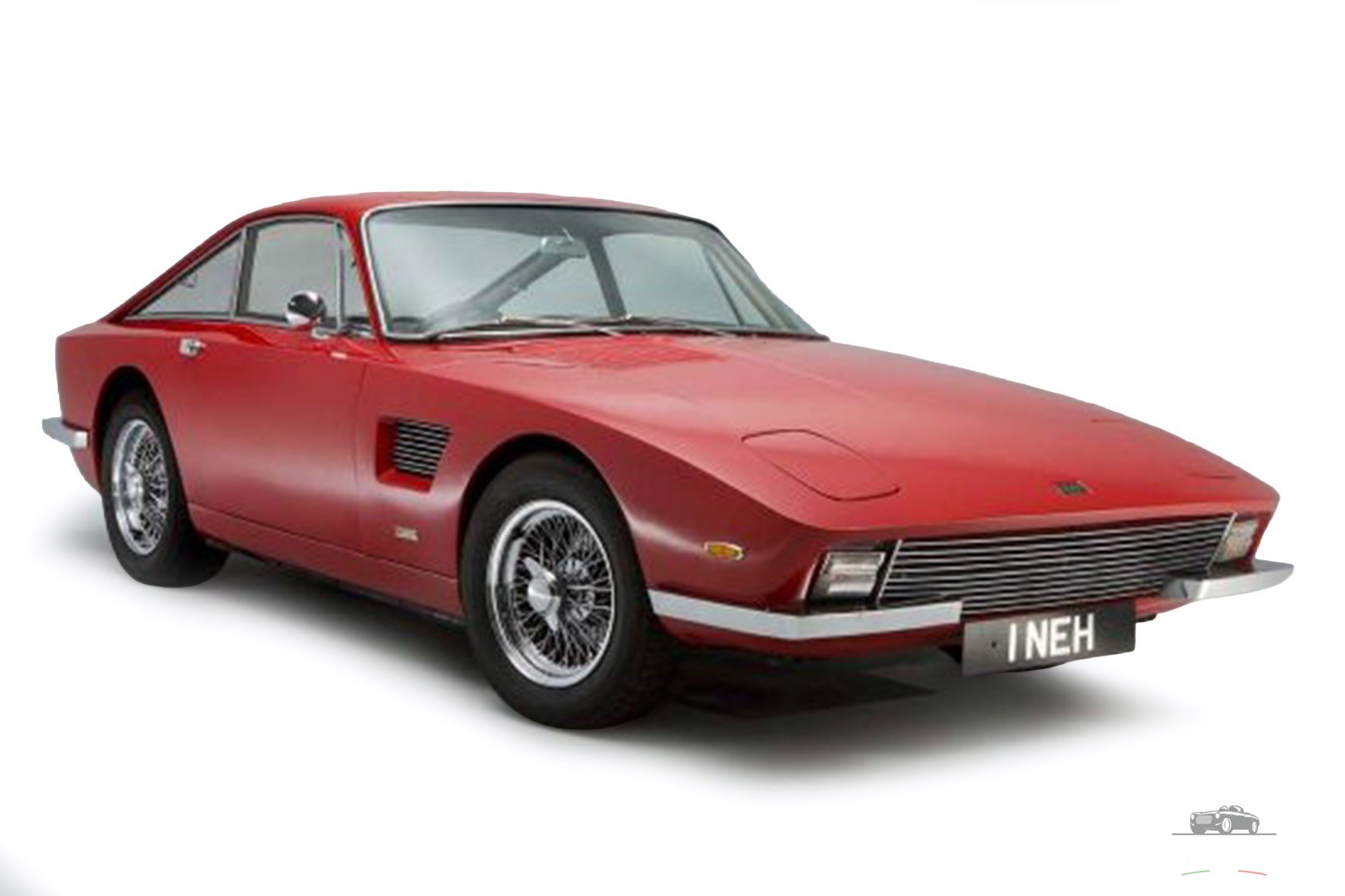
Following the Lilley family’s acquisition of TVR in 1965, Martin Lilley sought a less expensive model that could reach buyers outside the company’s established market for larger sports cars. The Hillman Imp Sport provided a compact platform with a rear-mounted four-cylinder engine, suspension and transmission suitable for the projected two-plus-two layout. Fiore, also responsible for the earlier TVR Trident, developed the external design, while Fissore carried out the coachbuilding work, part of its wider history of specialist Italian coachbuilding.
Rather than adapting TVR’s familiar tubular frame and glass-fibre body construction, the demonstrator retained the Imp-based platform and received a specially fabricated steel body. Steel was appropriate to the hand-built prototype but not necessarily to the intended production car: planning documents and later accounts discuss the possible use of glass-fibre bodywork attached to the Imp structure. The projected production arrangement was never established, and the steel-bodied Spyder remained an individual prototype.
Coachwork and mechanical layout
The open body seated four in a compact 2+2 arrangement. Its initial form had a long, tapering front end, recessed lamps behind transparent covers and a low bonnet line. The rear-engine mechanical arrangement departed markedly from the front-engine architecture of TVR’s established models. The prototype programme used the Sunbeam/Hillman Imp Sport’s 875 cc four-cylinder engine and four-speed manual gearbox; the wheelbase recorded for the programme is 2,083 mm. These specifications describe the underlying Tina platform rather than establishing an independently documented engine or chassis serial number for the convertible.
Period publicity presented the Tina as an economical and relatively fast small grand tourer. Performance figures advertised in contemporary material, including a projected maximum speed above 100 mph, should be understood as manufacturer claims rather than verified test results for the surviving Spyder.
Exhibitions and revised front end
The Spyder appeared at the Turin Motor Show in November 1966. Accounts of the presentation describe criticism of the low, sharply tapered nose, particularly concerning anticipated requirements for the United States market. The same prototype returned to Fissore for revisions while the fixed-roof sister car was being completed. In its later configuration the convertible received a blunter nose with a different headlamp arrangement. Historical accounts disagree over the precise dating of subsequent London exhibition appearances; the Turin debut of the open prototype is the securely documented starting point.
The Tina name referred to the daughter of TVR racing associate Gerry Marshall. Period testimony also records that the small model badge was adapted from a Ford Cortina emblem. Public interest in the prototypes prompted consideration of series manufacture, with potential industrial partners including Rootes, Jensen and Aston Martin. The required investment and production capacity could not be secured, so neither variant entered regular production.
Subsequent history
The Spyder was first registered for road use in 1972 and passed to a British collector in 1973. Norbert McNamara acquired it in 1978 and later brought it to the United States. Restoration began in 1998 but remained incomplete after McNamara’s death in 2010. Jonathon Till subsequently acquired the dismantled car and oversaw the completion of its restoration; the Spyder reached his Florida home in late 2018. This documented history concerns the convertible, not the separately surviving Tina Coupé.


THE CONVERSATION
Comments 0