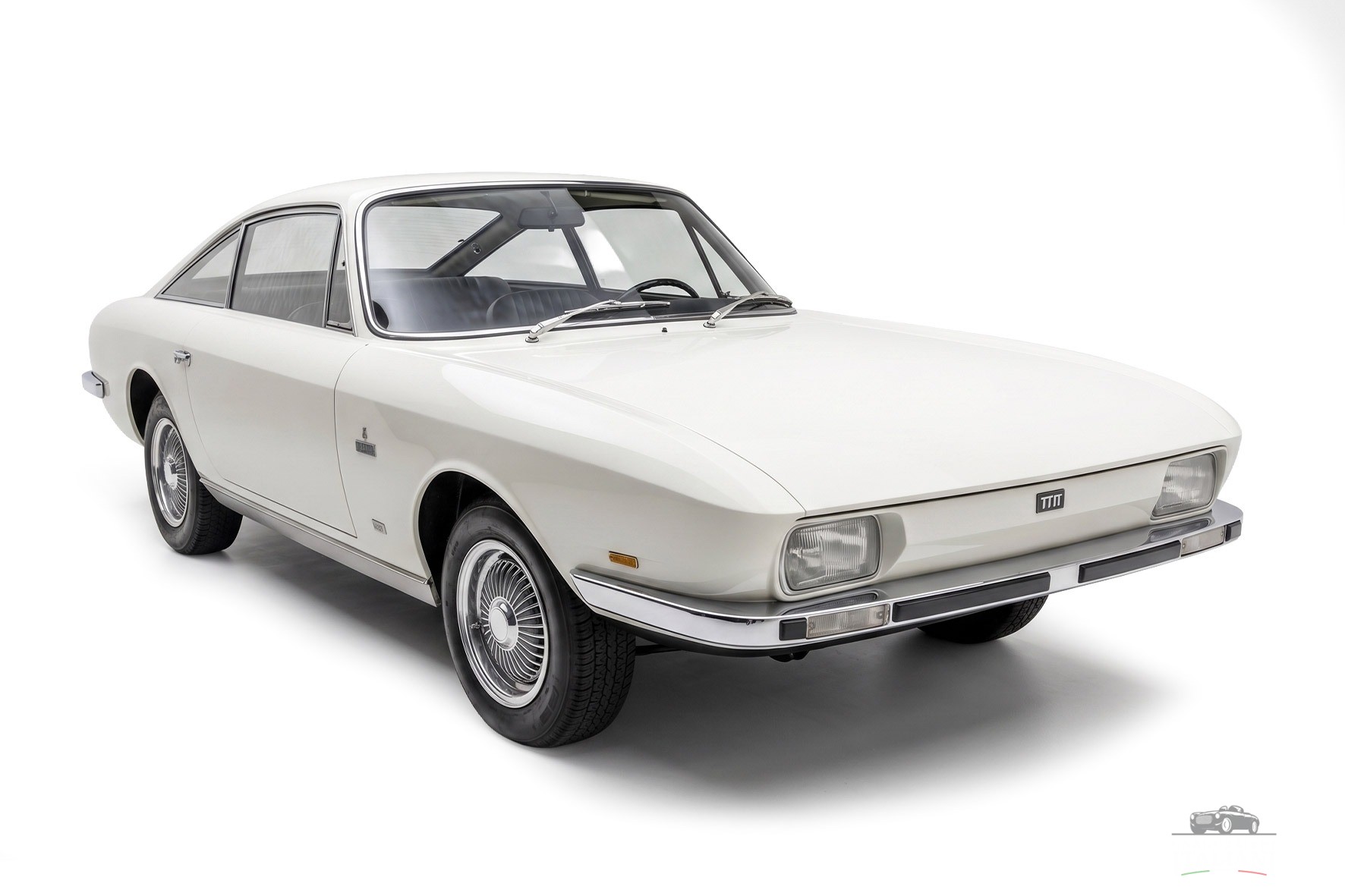
The TVR Tina Coupé was a compact 2+2 prototype developed for the British manufacturer TVR during 1965–1967. Designed by Trevor Fiore and built in steel by Carrozzeria Fissore in Italy, it was the fixed-roof member of a two-car project that also included a convertible. The programme used the mechanical basis of the rear-engined Hillman Imp Sport and was intended to establish a less expensive, higher-volume model alongside TVR’s existing sports cars.
Development and design
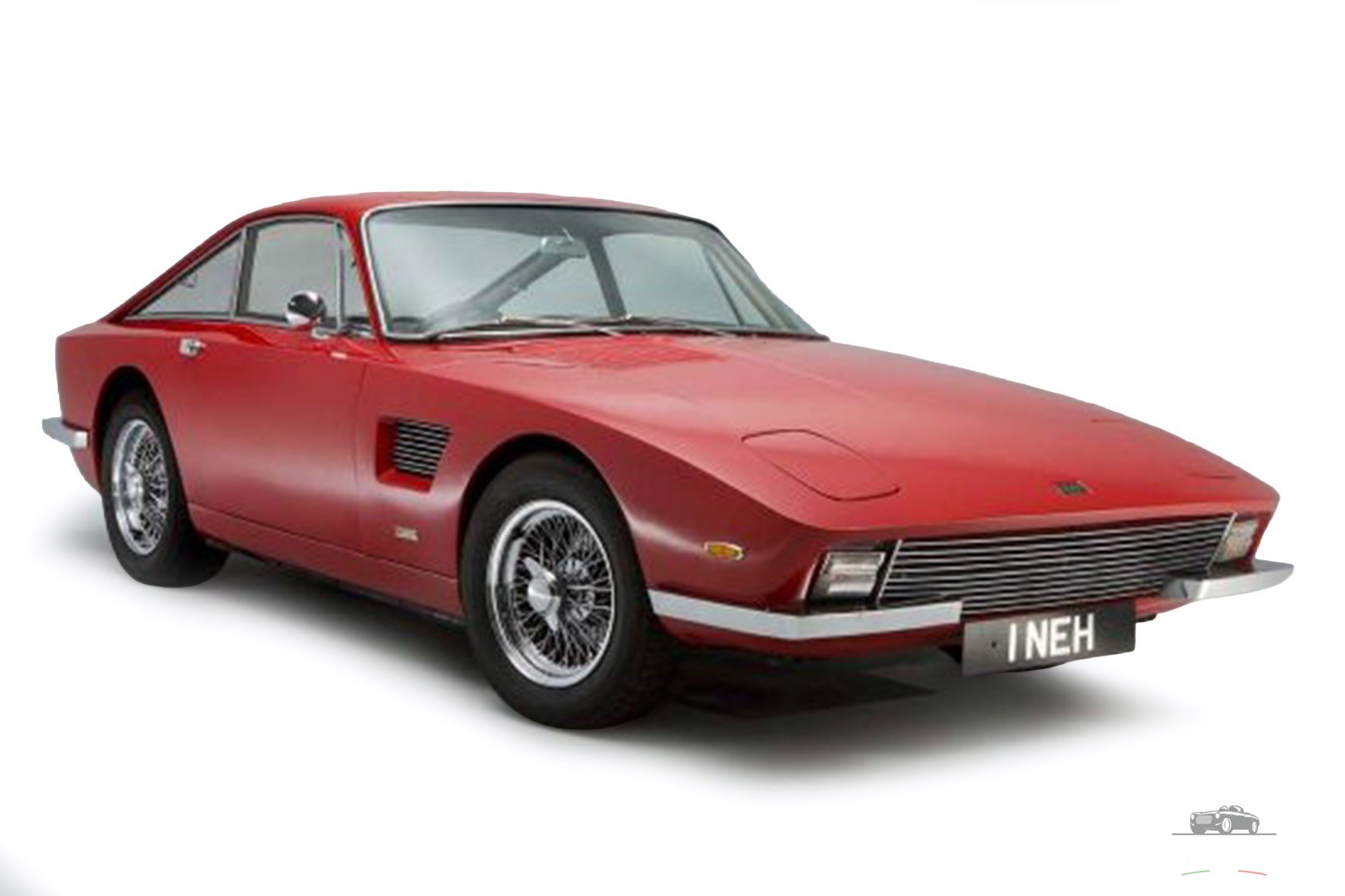
Martin Lilley initiated the Tina programme after the reorganisation of TVR in 1965. Fiore, who had also designed the larger TVR Trident, developed a smaller body around the Imp’s floorpan and running gear. Fissore undertook the coachwork, departing from the glass-fibre construction commonly associated with TVR. Contemporary accounts describe the Tina badge as a Ford Cortina nameplate shortened by removing its first three letters; the model itself was named for racing driver Gerry Marshall’s daughter. The proposed series car was expected to use a different, more economical manufacturing method rather than reproduce the hand-built steel prototypes.
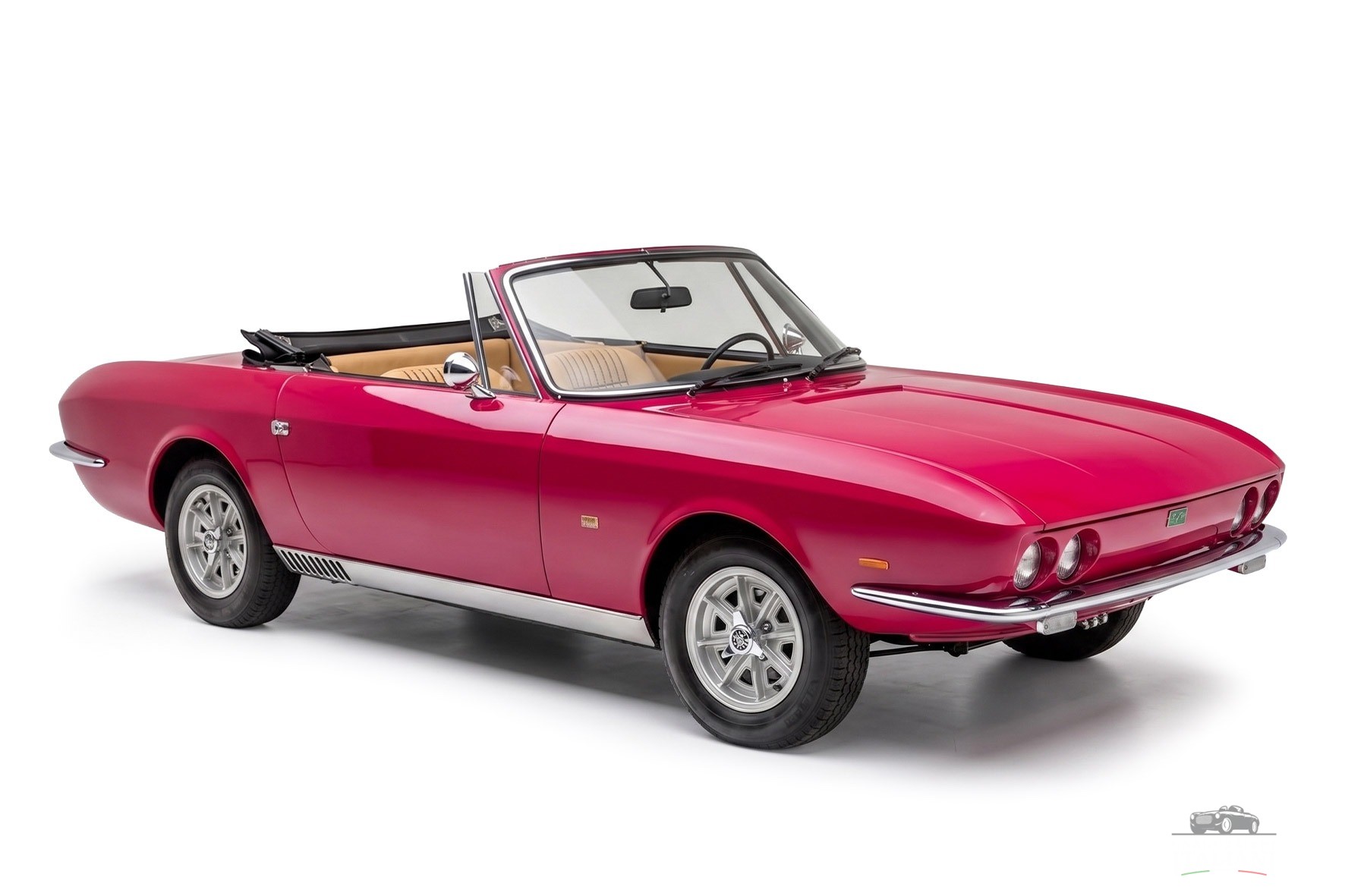
The initial open TVR Tina Spyder appeared at the 1966 Turin Motor Show. Contemporary criticism of its recessed headlamps and concern over potential American safety requirements led to a revised frontal treatment. The fixed-head coupé was completed as the companion version and exhibited with the revised open car at the London Motor Show in October 1966. The coupé was also associated with the 1967 Turin exhibition. Both configurations belong to the same Tina development programme but represent distinct physical vehicles; the additional legacy Spyder listing does not establish a third prototype.
The coupé adopted a low bonnet, relatively long front wings and a sloping rear roofline enclosing a 2+2 cabin. Its proportions reflected Fiore’s contemporary work, although the rear-mounted engine and compact running gear differed substantially from those of the front-engined Trident. A production derivative was discussed for the British and American markets, but the proposed design was never manufactured in series.
Mechanical specification and proposed production
The Tina prototypes employed Hillman Imp Sport mechanical components, including the rear-mounted four-cylinder engine of 875 cc, a four-speed manual gearbox and rear-wheel drive. Period descriptions of the surviving coupé report twin carburettors and approximately 55 bhp. These figures describe the prototype configuration and should not be treated as specifications for a production model. The precise original chassis identification requires correlation with subsequent registration and auction records.
TVR publicised plans to commence production in 1968. Although the two show cars attracted attention, the company’s production capacity was insufficient for the volumes envisaged. Discussions with Rootes, Jensen and Aston Martin did not result in a manufacturing agreement. A proposed glass-fibre body coupled to Imp structural components raised further cost and engineering questions. The programme was abandoned without a series-production run. The coupé was one of two Tina prototypes, not one of two coupés.
Survival and documentation
The surviving fixed-head prototype was subsequently acquired by racing driver Gerry Marshall, according to later accounts of the car’s history. His daughter Tina, after whom the model had been named, inherited the project following his death in 2005 and continued the restoration with assistance from people familiar with its original construction, including David Hives. Its restored appearance has been described with pale-gold paint and red upholstery. These later details concern the surviving coupé and must not be transferred to the separate Spyder.
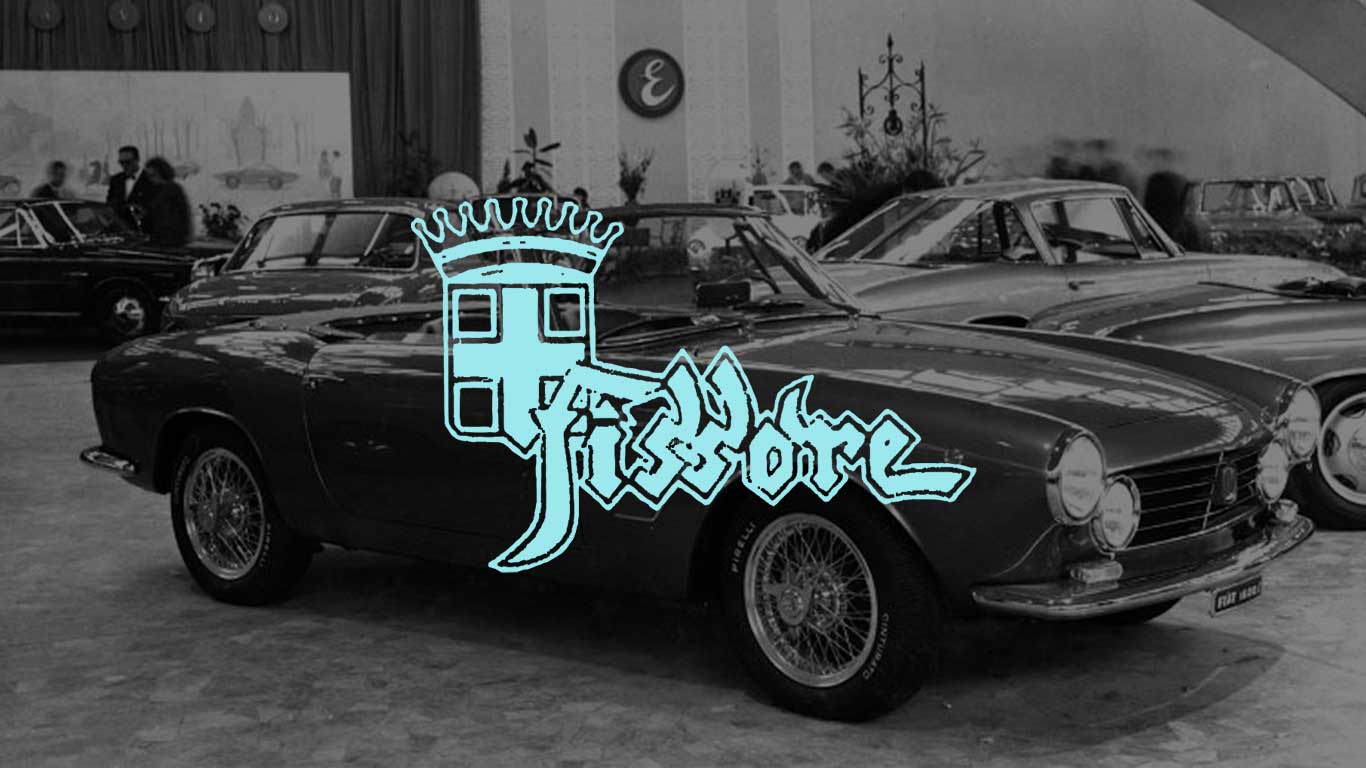
The Tina’s coachwork is part of Fissore’s wider history of prototype construction for British and continental manufacturers, discussed in the site’s history of Carrozzeria Fissore. The coupé’s identity, original specification, later restoration and documented exhibition history remain distinct from the more numerous production cars made by TVR in the same period.


THE CONVERSATION
Comments 0