
Zagato
Founded in Milan in 1919 by Ugo Zagato, the coachbuilding house developed lightweight aerodynamic bodies inspired by aircraft construction, creating distinctive racing and grand touring automobiles.
Explore record ↗
2015Coachwork by Zagato
THE VEHICLE AT A GLANCE
THE PEOPLE BEHIND THE CAR
Founded in Milan in 1919 by Ugo Zagato, the coachbuilding house developed lightweight aerodynamic bodies inspired by aircraft construction, creating distinctive racing and grand touring automobiles.
Explore record ↗Norihiko Harada is a Japanese automotive designer who worked at I.DE.A Institute under Ercole Spada before joining Zagato in 1994 as design director. His Zagato portfolio includes the Lamborghini Raptor, Aston Martin DB7 Zagato, Ferrari 575 GTZ and Alfa Romeo TZ3 Corsa, connecting Italian coachbuilding with international sports-car manufacturers.
Explore record ↗01 / THE STORY
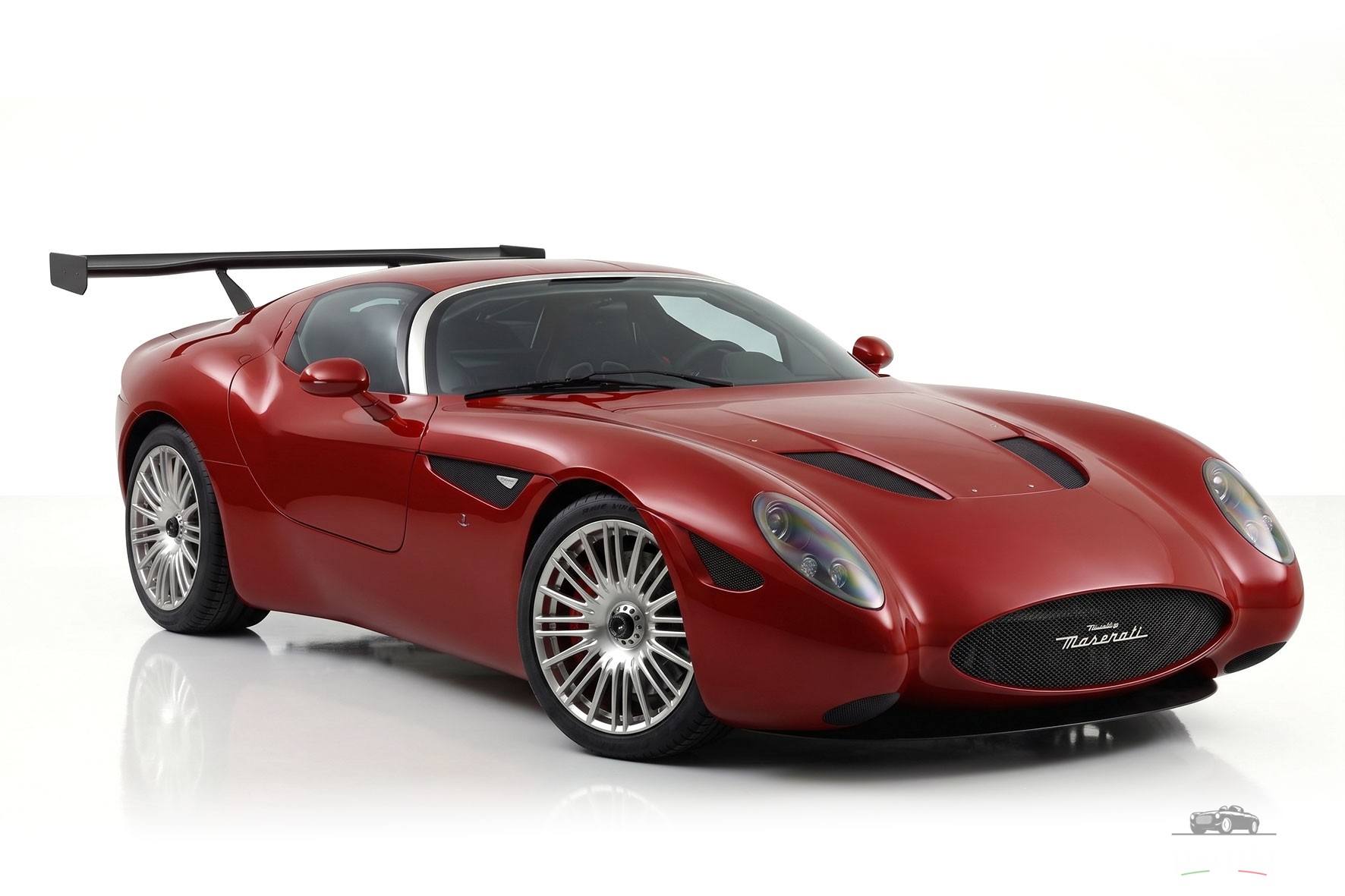
The 2015 Zagato Mostro Powered by Maserati is a limited-series two-seat coupé developed by the Milanese coachbuilder. Zagato built five examples for collectors, combining a carbon-fibre structure with a front-mid-mounted Maserati-derived V8 and a rear transaxle. The programme was publicly presented in connection with the 2015 Concorso d’Eleganza Villa d’Este. It is a distinct modern vehicle programme rather than a reconstruction of the historical Maserati that inspired its proportions.
The project was conceived to commemorate Maserati’s centenary and refers to the Maserati 450 S Coupé Zagato of 1957. That competition car combined aerodynamic work associated with Frank Costin and coachwork commissioned in accordance with Stirling Moss’s requirements. Its nickname, Mostro or Monster, supplied the name for the contemporary series. The relationship is historical and stylistic: the 2015 car uses a purpose-built contemporary structure rather than the 450 S racing chassis or engine. Contemporary specialist reporting attributes the modern Mostro’s design to Norihiko Harada, although the first-party project description examined does not individually identify every member of the design team.
The low coupé body has an elongated bonnet, a compact passenger compartment, rounded front wings, a gently descending roof and a shortened tail. The doors open upwards and forwards, providing access to a two-seat cabin. The exterior shell is made from carbon fibre, shaped around a carbon-fibre monocoque and associated tubular steel structure. The body design recalls the 1957 car without reproducing it mechanically. Published photographs show differences in colour and aerodynamic equipment, including a prominent rear wing on some examples. These features cannot be assigned to every one of the five cars without individual documentation. The cabin follows a competition-oriented arrangement with restrained trim and instrumentation, consistent with the project’s emphasis on low mass and functional construction.
Zagato describes a carbon monocoque coupled to a steel tubular structure, with carbon-fibre exterior panels. The Maserati-sourced V8 is installed behind the front axle, and contemporary technical accounts describe dry-sump lubrication. A six-speed transmission is linked to the rear-mounted differential in a transaxle layout, driving the rear wheels. Double-wishbone suspension with pushrod-operated spring and damper assemblies is reported at both axles, and the car uses 19-inch wheels. Contemporary specifications and later auction descriptions are not wholly consistent about the V8’s precise displacement and output. Consequently, a single numerical capacity or power figure should not be treated as verified for all five examples, and a separately documented chassis should not automatically inherit an unqualified programme figure. Numeric dimensions and measured mass also require chassis-appropriate documentation.
Five coupés were built in the 2015 programme. The subsequent Mostro Barchetta Powered by Maserati, introduced in 2022, comprises a separate series of five open cars and must not be counted among the coupés. The chassis number YA9VZ3S00F0169036 identifies one specific coupé described as a 2016 vehicle in Bonhams documentation. At the time of its Paris auction catalogue entry in February 2023, it was described as having had one owner and covered fewer than 100 kilometres. An auction notice corrected its road-registration country to Austria. These observations concern that individual car and establish neither the identities nor the ownership histories of the other four coupés.
The Mostro was shown during the 2015 Villa d’Este period; the event connection is supported by the original programme and contemporary coverage, but a concours prize has not been established for this model. Bonhams catalogued the identified 2016 coupé at Paris sales in 2020 and 2023, providing a public documentary record of the same chassis across the two offerings. Published market figures belong to that specific chassis and are retained separately from the model history. The programme’s relationship to the 1957 competition car is also examined in an article on modern coachbuilt reinterpretations. No complete, authenticated register of the five coupés’ chassis, equipment and provenance is presently established in this model-level entry.
02 / TECHNICAL IDENTITY
03 / DESIGN, BODY & SUPPLIERS
Coachbuilder / Design studio
Founded in Milan in 1919 by Ugo Zagato, the coachbuilding house developed lightweight aerodynamic bodies inspired by aircraft construction, creating distinctive racing and grand touring automobiles.
Explore record ↗Designer
Norihiko Harada is a Japanese automotive designer who worked at I.DE.A Institute under Ercole Spada before joining Zagato in 1994 as design director. His Zagato portfolio includes the Lamborghini Raptor, Aston Martin DB7 Zagato, Ferrari 575 GTZ and Alfa Romeo TZ3 Corsa, connecting Italian coachbuilding with international sports-car manufacturers.
Explore record ↗04 / CHRONOLOGY
05 / PEOPLE, COLLECTIONS & MUSEUMS
07 / CHASSIS REGISTER
08 / GALLERY
CONTINUE READING
When iconic coachbuilt cars are rebade through time, intent matters more than nostalgia. From experimental originals to modern reinterpretations, this article examines how legends are reimagined—and why some ideas refuse to stay…
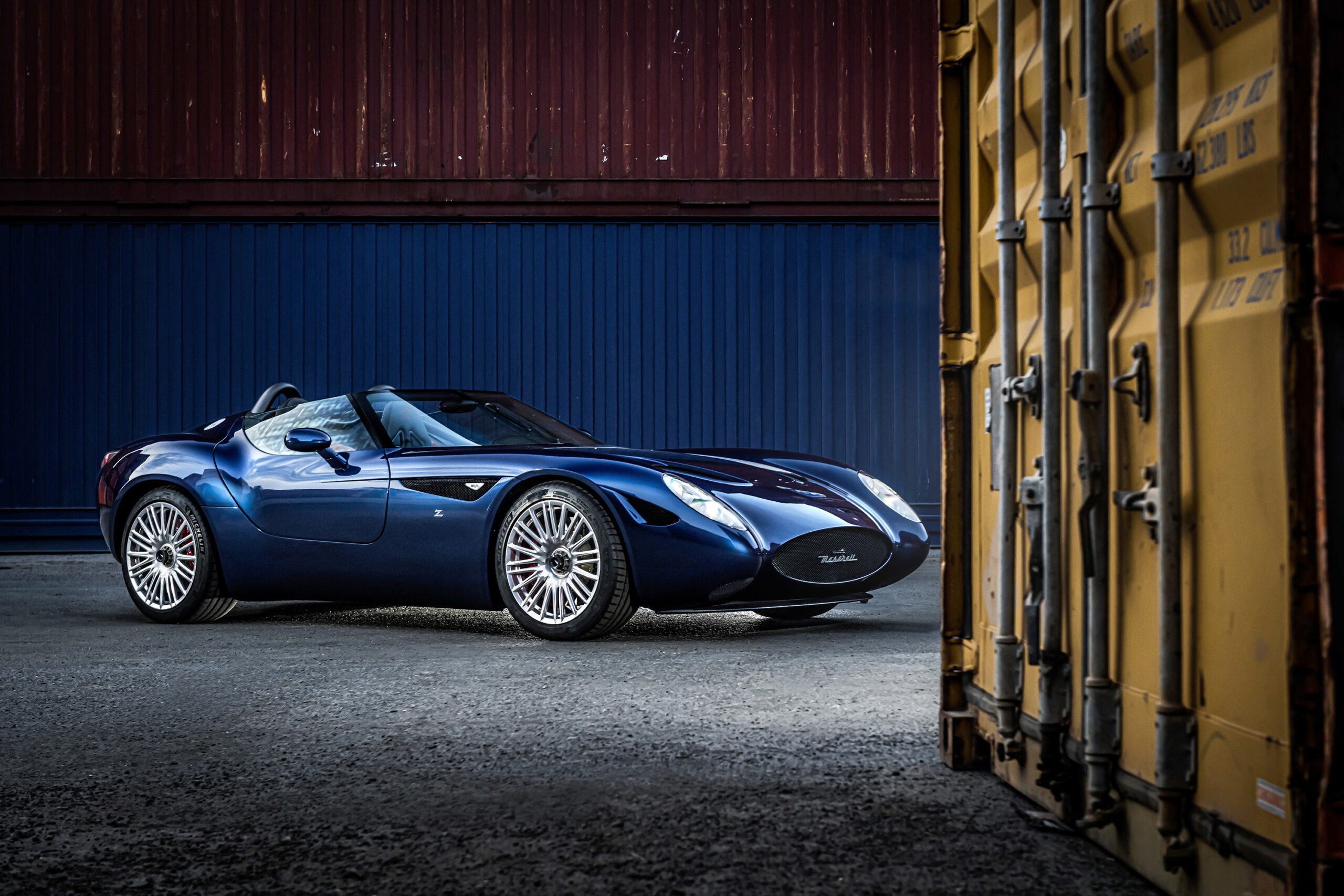
Read storyThe Zagato Mostro Barchetta makes its debut at the Concorso d'eleganza di villa d'Este
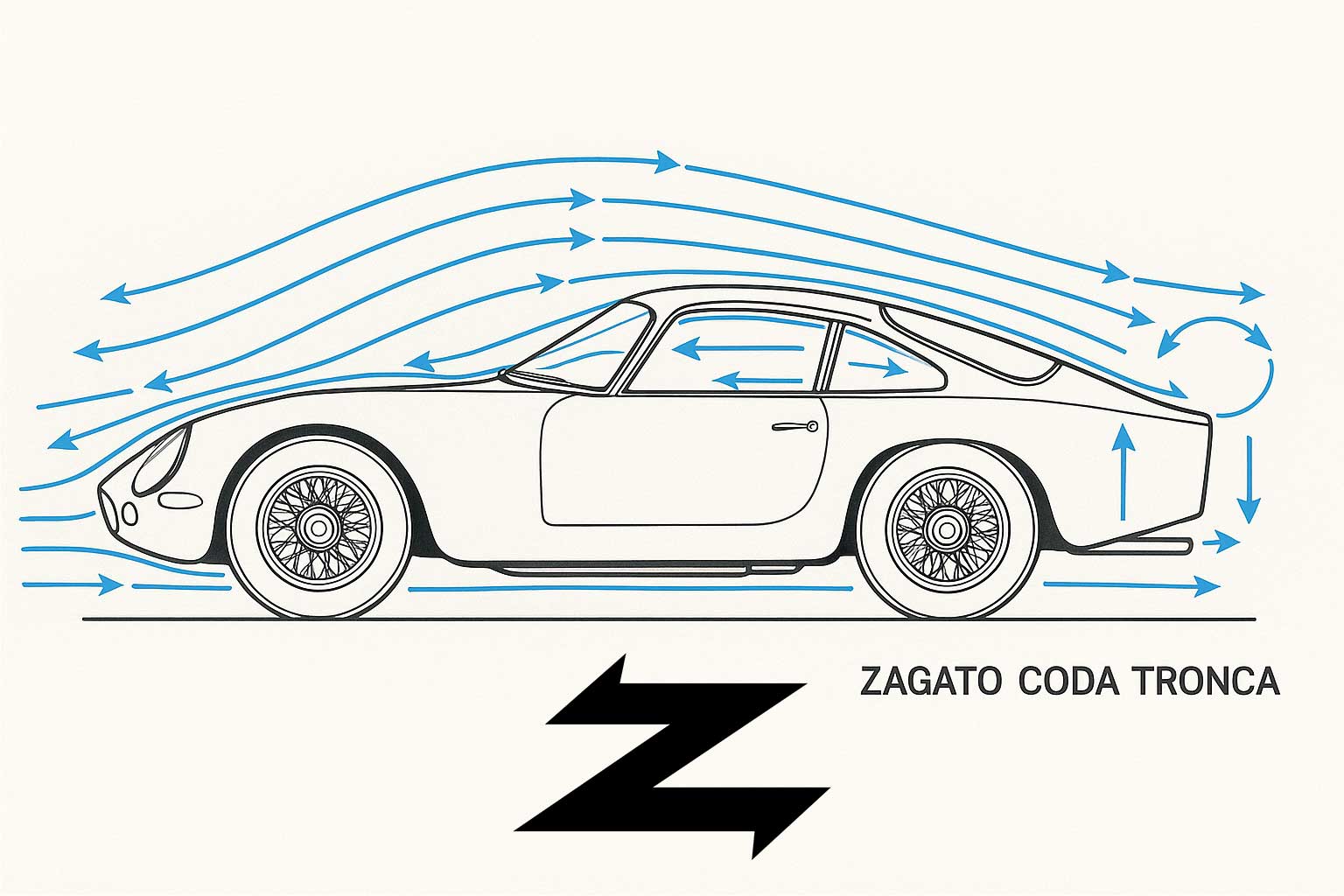
Read storyA closer look at the Zagato Coda Tronca—a design born from function over flair, where aerodynamic necessity quietly redefined beauty in automotive form.
Read storyFew names in Italian coachbuilding describe a philosophy as clearly as Zagato. Founded in Milan in 1919 by Ugo Zagato—an engineer steeped in aeronautical construction rather than coachwork convention—the atelier did not…
Read story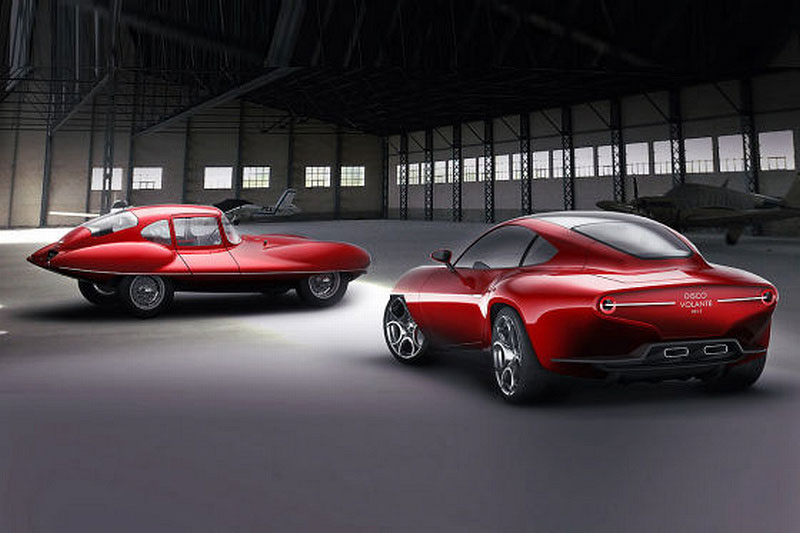
THE CONVERSATION
Comments 0