
Zagato
Founded in Milan in 1919 by Ugo Zagato, the coachbuilding house developed lightweight aerodynamic bodies inspired by aircraft construction, creating distinctive racing and grand touring automobiles.
Explore record ↗
2022Coachwork by Zagato
THE VEHICLE AT A GLANCE
THE PEOPLE BEHIND THE CAR
Founded in Milan in 1919 by Ugo Zagato, the coachbuilding house developed lightweight aerodynamic bodies inspired by aircraft construction, creating distinctive racing and grand touring automobiles.
Explore record ↗Norihiko Harada is a Japanese automotive designer who worked at I.DE.A Institute under Ercole Spada before joining Zagato in 1994 as design director. His Zagato portfolio includes the Lamborghini Raptor, Aston Martin DB7 Zagato, Ferrari 575 GTZ and Alfa Romeo TZ3 Corsa, connecting Italian coachbuilding with international sports-car manufacturers.
Explore record ↗01 / THE STORY
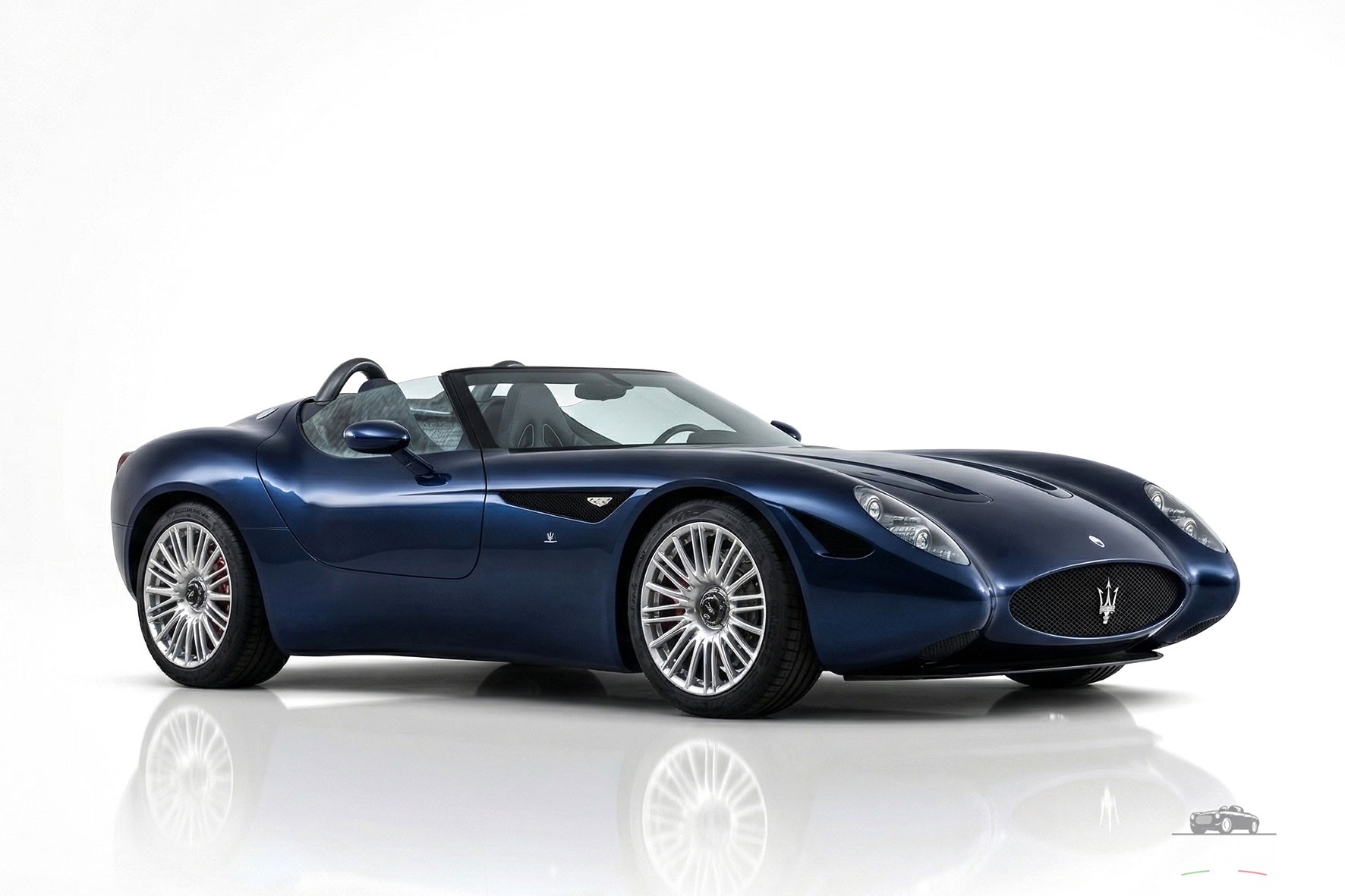
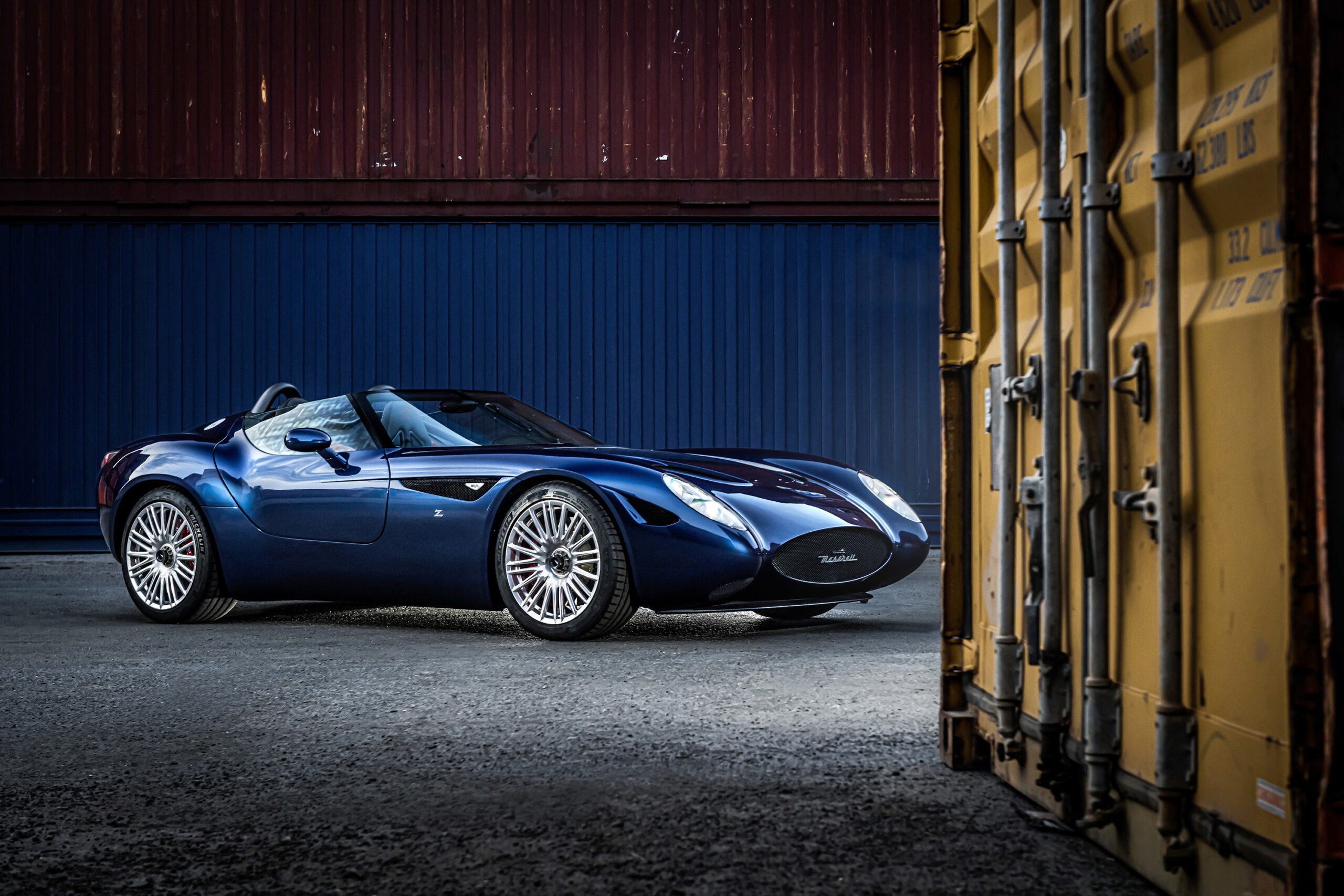
The Zagato Mostro Barchetta Powered by Maserati is a two-seat, open sports car introduced in 2022 as a separate five-car programme following the 2015 Mostro Coupé. It was designed by Norihiko Harada for Zagato, using Maserati-derived engines in a dedicated lightweight structure. The Barchetta was presented at the 2022 Concorso d’Eleganza Villa d’Este, where Zagato also delivered the first example to its customer. The model-level record does not identify the individual chassis or engine fitted to that first car.
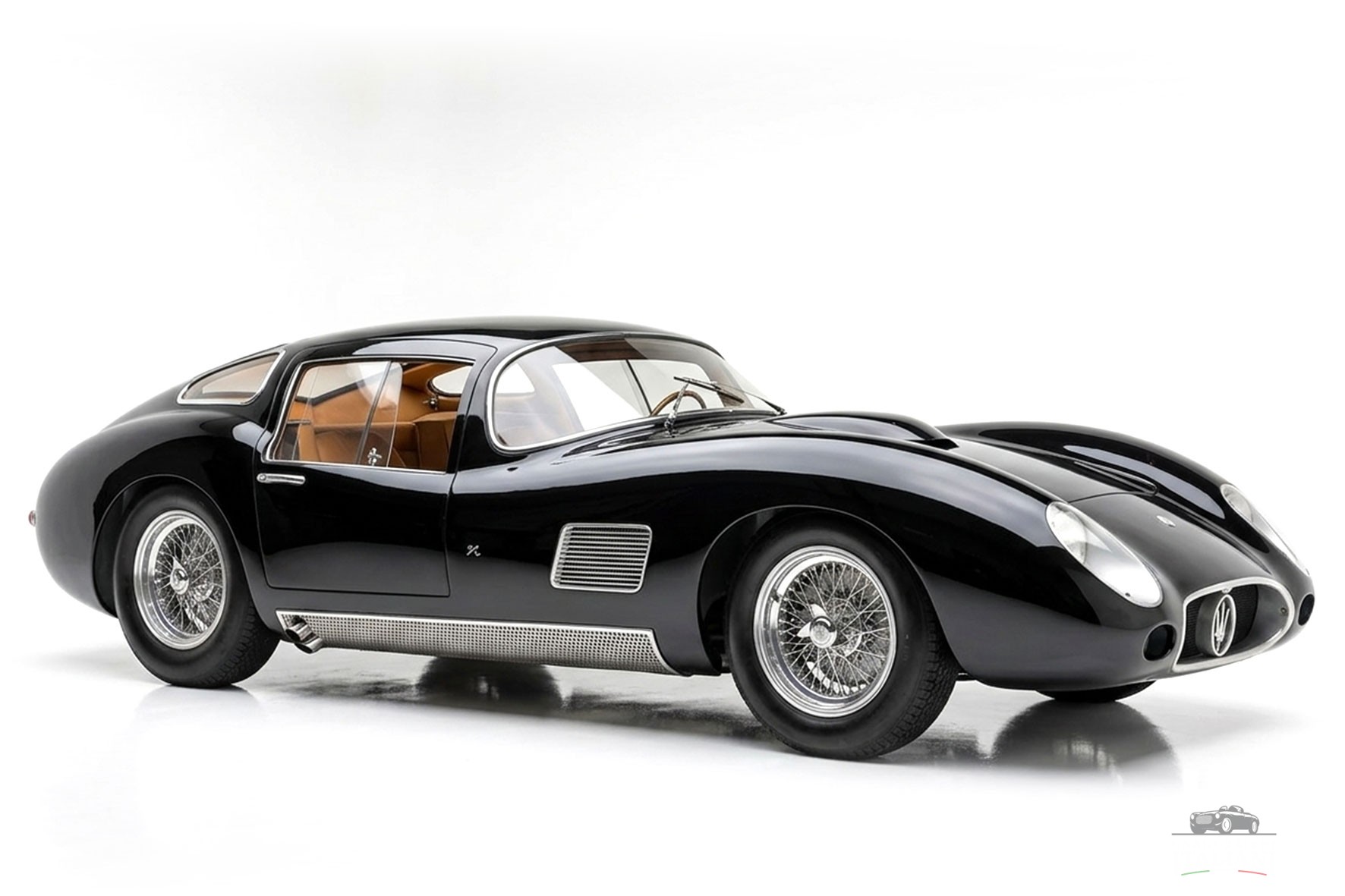
The Barchetta is related to, but not interchangeable with, the five Mostro Coupés introduced at Villa d’Este in 2015. Both projects refer to the 1957 Maserati 450S Zagato Coupé, the competition car associated with Stirling Moss and aerodynamic specialist Frank Costin. The historical car’s nickname gave the contemporary Mostro its name. Zagato’s official account also connects the Barchetta’s proportions with the open Maserati and O.S.C.A. sports racers of the 1950s. These references concern design lineage, not mechanical identity with the earlier racing cars.
Harada’s design combines a long front section, rounded wings, a low cockpit and a short rear deck. The two seats are protected by a shallow, curved windscreen rather than a conventional full-height screen and fixed roof. The open rear bodywork differs from the 2015 Coupé, while the bonnet and wheel-arch treatment retain a recognisable family resemblance. Contemporary photographs show the first customer Barchetta in a dark blue finish; that colour should not be extended to the other four cars without evidence. Zagato offered personalisation to individual clients, so the general programme cannot establish each car’s colour, trim or equipment.
The underlying structure consists of a carbon-fibre monocell with a composite windscreen frame and a steel subframe at the rear, supporting components including the differential, fuel tank and suspension. The front-mid-mounted engine and rear differential were arranged for a stated front-to-rear weight distribution of about 50:50. Both axles use double wishbones with pushrod-operated adjustable spring and damper units. The braking system has AP Racing calipers, reported with six pistons at the front and four at the rear. Nineteen-inch centre-lock wheels carry staggered tyre sizes: 255/40 R19 at the front and 295/35 R19 at the rear. Electronic traction control was deliberately omitted. The weight quoted at launch was approximately 1,200 kg; it is a programme figure, not an independently measured weight for every example.
Contemporary launch reports identified two Maserati-derived engine options: a naturally aspirated V8 generally specified as 4.2 litres and approximately 420 CV, and a twin-turbocharged 3.0-litre V6 of approximately 630 CV. The available engines were paired with a six-speed sequential racing-type gearbox. Published accounts are not entirely uniform about the V8 displacement, and no complete register linking the two options to all five chassis has been established. Accordingly, the alternatives must remain model-level configurations, rather than being entered as a single engine displacement or an individual car’s specification. The rear-wheel-drive arrangement is likewise a drivetrain fact, not a wheelbase measurement.
Zagato describes five examples of the Barchetta, in addition to the separate five-car 2015 Coupé programme. The first Barchetta appeared publicly on 21 May 2022 in the Concept Cars & Prototypes section at Villa d’Este. This presentation and delivery are documented; an award for that car has not been established by the material examined. Neither a complete published chassis sequence nor a reliable list of subsequent owners and market transactions is available for this model record. These gaps should not be filled using registration numbers, auction prices or chassis histories of the earlier Coupé. A contemporary article on the Barchetta’s launch provides additional context for the debut.
02 / TECHNICAL IDENTITY
03 / DESIGN, BODY & SUPPLIERS
Coachbuilder / Design studio
Founded in Milan in 1919 by Ugo Zagato, the coachbuilding house developed lightweight aerodynamic bodies inspired by aircraft construction, creating distinctive racing and grand touring automobiles.
Explore record ↗Designer
Norihiko Harada is a Japanese automotive designer who worked at I.DE.A Institute under Ercole Spada before joining Zagato in 1994 as design director. His Zagato portfolio includes the Lamborghini Raptor, Aston Martin DB7 Zagato, Ferrari 575 GTZ and Alfa Romeo TZ3 Corsa, connecting Italian coachbuilding with international sports-car manufacturers.
Explore record ↗04 / CHRONOLOGY
07 / GALLERY
CONTINUE EXPLORING
CONTINUE READING
The Zagato Mostro Barchetta makes its debut at the Concorso d'eleganza di villa d'Este
Read storyFew names in Italian coachbuilding describe a philosophy as clearly as Zagato. Founded in Milan in 1919 by Ugo Zagato—an engineer steeped in aeronautical construction rather than coachwork convention—the atelier did not…
Read story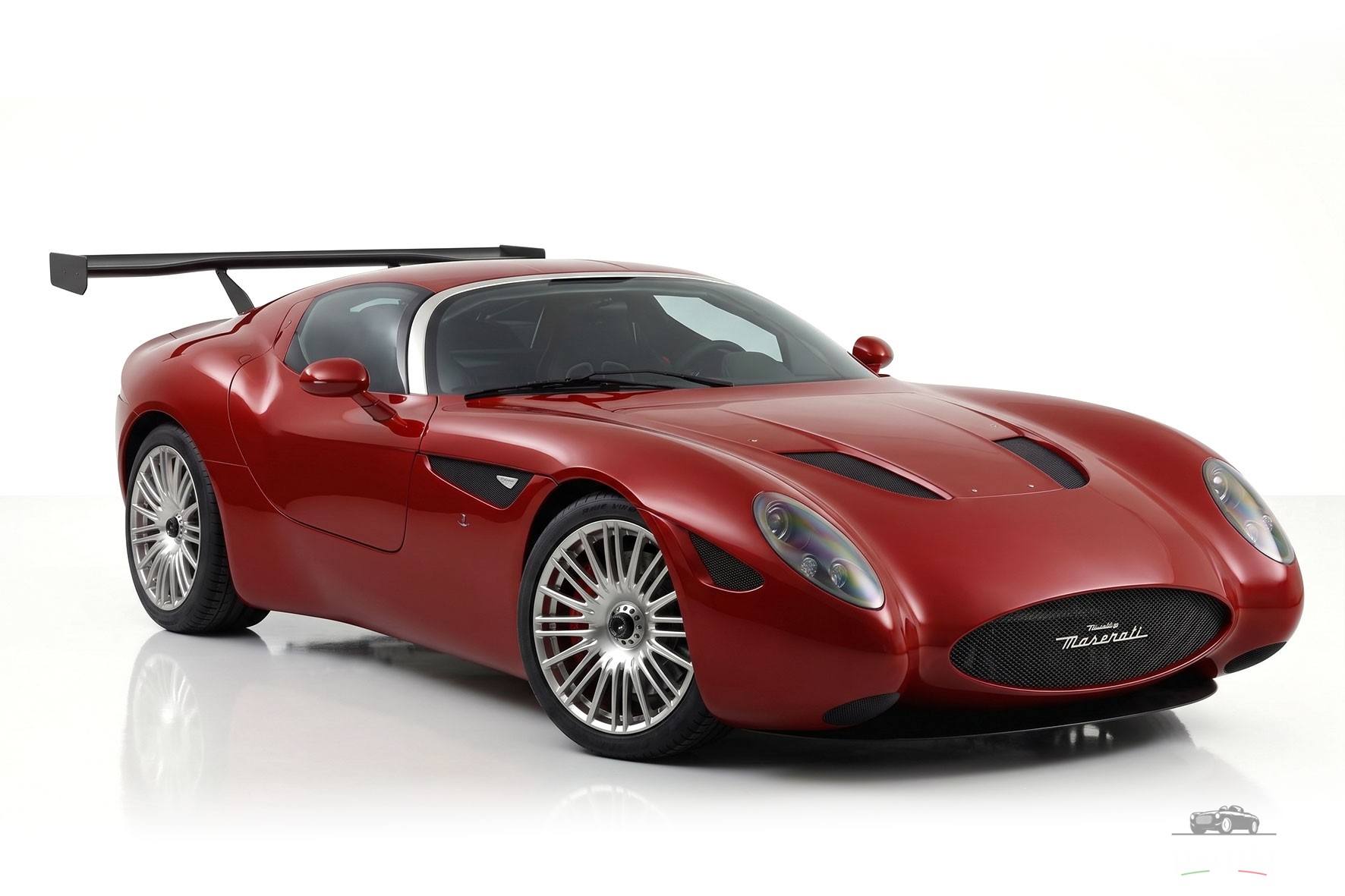
THE CONVERSATION
Comments 0