
Fantuzzi
AT A GLANCE
- Founded
- 1939
- Historical city
- Modena
- Country
- Italy
AWARDS & RECOGNITION
Palmarès
Vehicle awards
- Class wins
- 3
- Special prizes
- 1
- Race wins
- 1
- Awards
- 1
6 vehicle award records
1950s Decade Award
Maserati 300S Sport CompetizioneClass Winner
Maserati 200S FantuzziClass Winner
Serenissima 308V Fantuzzi SpyderClass Winner
Maserati 300S Fantuzzi SpyderSpecial Prize
Maserati 200S FantuzziLe Mans 24h Winner
Ferrari 330 TRI/LM Spyder Fantuzzi
THE STORY
Overview
Carrozzeria Fantuzzi was an Italian coachbuilding and racing-body workshop established in Modena in 1939 by brothers Medardo and Gino Fantuzzi. Its principal activity was the design, fabrication, modification and repair of lightweight bodies for competition cars, especially Maserati and Ferrari. Fantuzzi also undertook individual road-car conversions and commissions for other manufacturers and racing organisations. The business should be distinguished from the personal work of Medardo Fantuzzi and from the later restoration activity associated with his son Fiorenzo.
Origins and establishment
Medardo Fantuzzi, born in Bologna in 1906, and his brother Gino were employed by Maserati from the late 1920s. Medardo progressed from workshop duties to the preparation of racing-car bodywork during the following decade. The brothers subsequently established their own workshop in Modena, conventionally dated to 1939. Work initially included repairs and coachbuilding commissions; racing-body construction expanded after the Second World War. Medardo was the more publicly identified stylist and metalworker, while Gino’s workshop role was less prominently documented. The precise legal form of the original business and its early premises require further documentary confirmation.
Maserati competition bodies
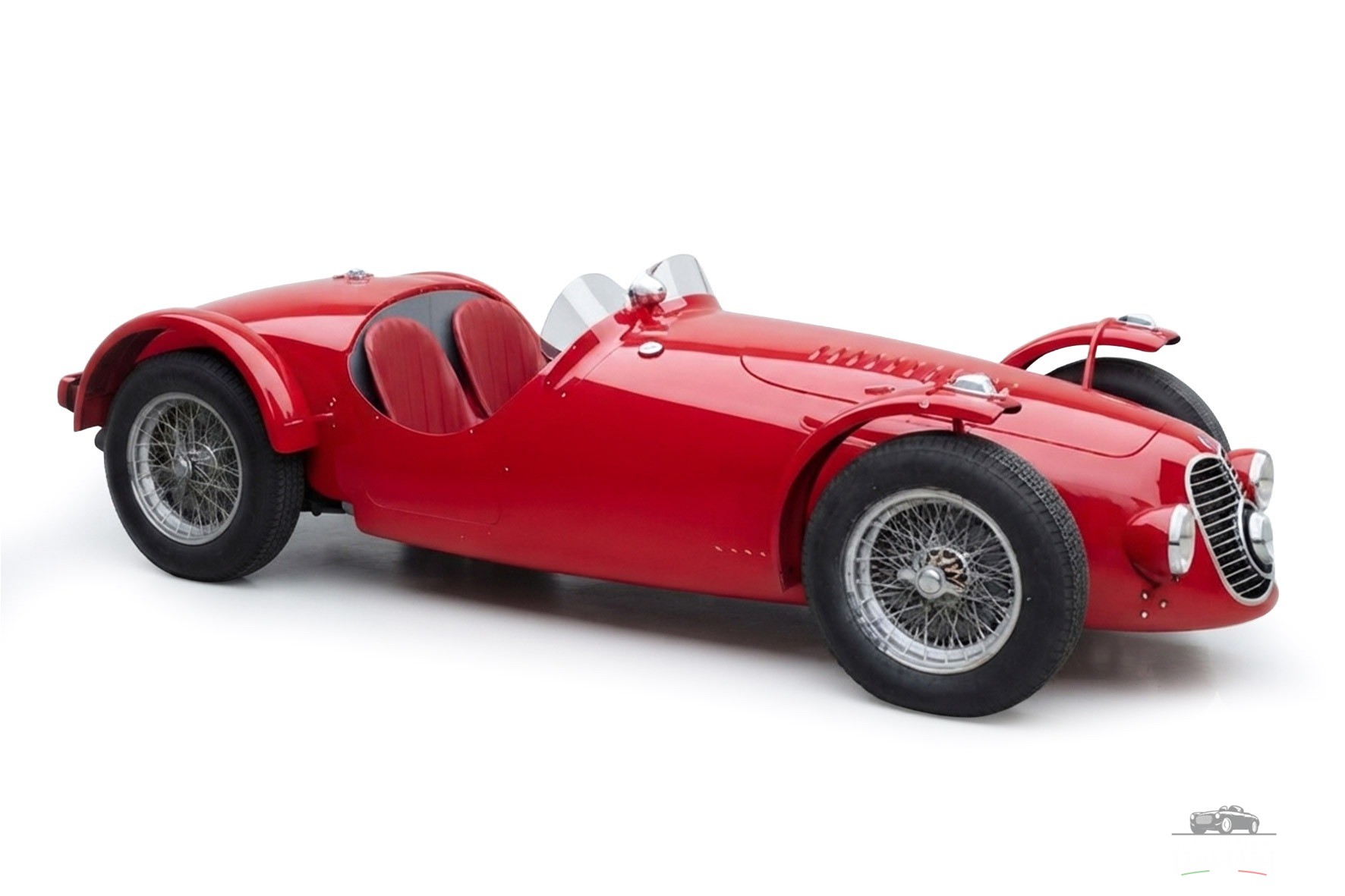
Fantuzzi’s early post-war association with Maserati included the cycle-wing A6GCS sports-racing cars, commonly called Monofaro, from 1947. The workshop was also involved in the development and fabrication of bodies for the A6GCS/53 and subsequent Maserati competition models. The A6GCS/53 coachwork was produced through more than one Modenese workshop, including Fiandri & Malagoli; the model’s entire production must not be attributed to Fantuzzi. Design decisions likewise involved Maserati engineers and racing personnel and cannot in every case be assigned to one external stylist.
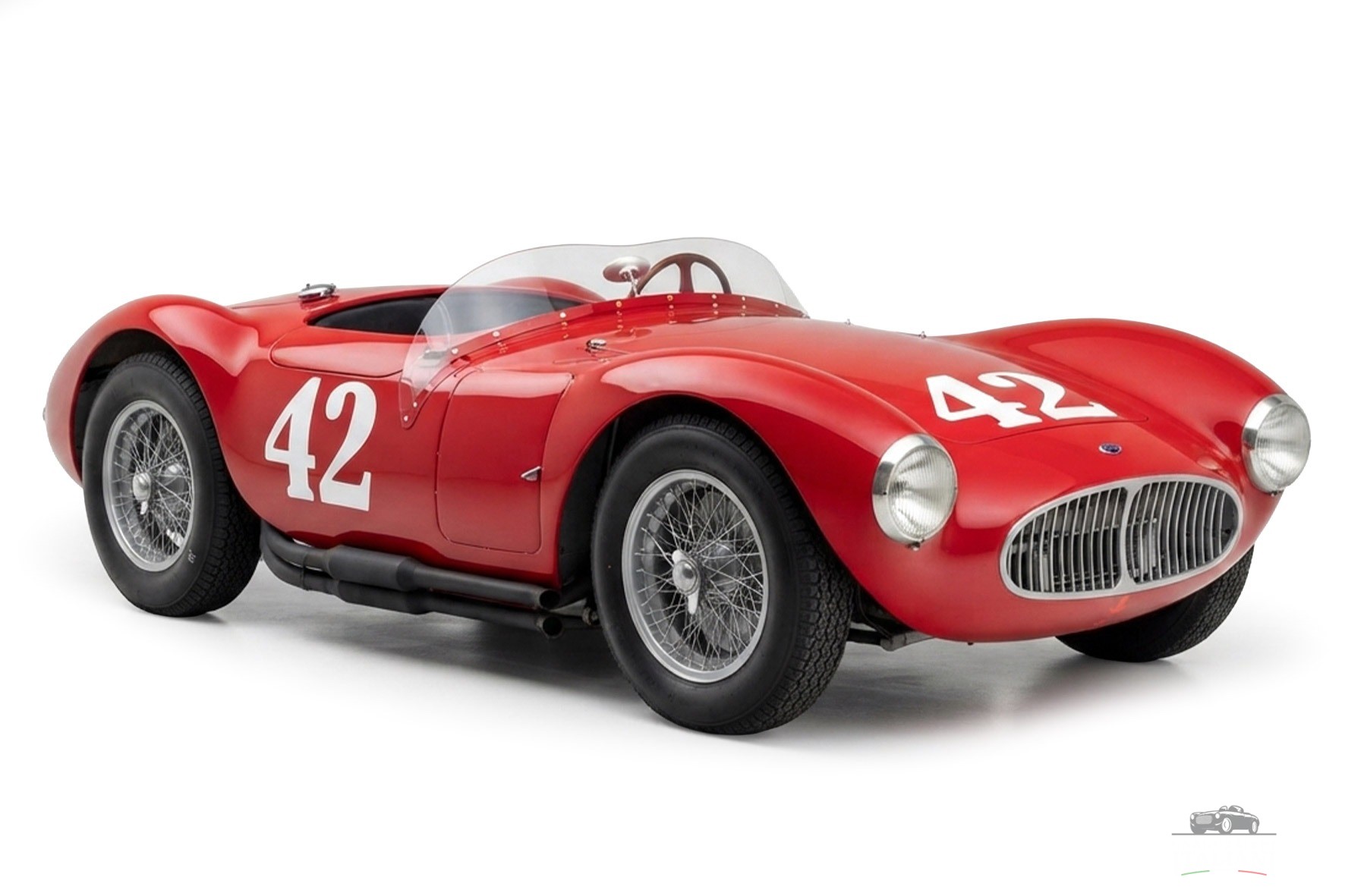
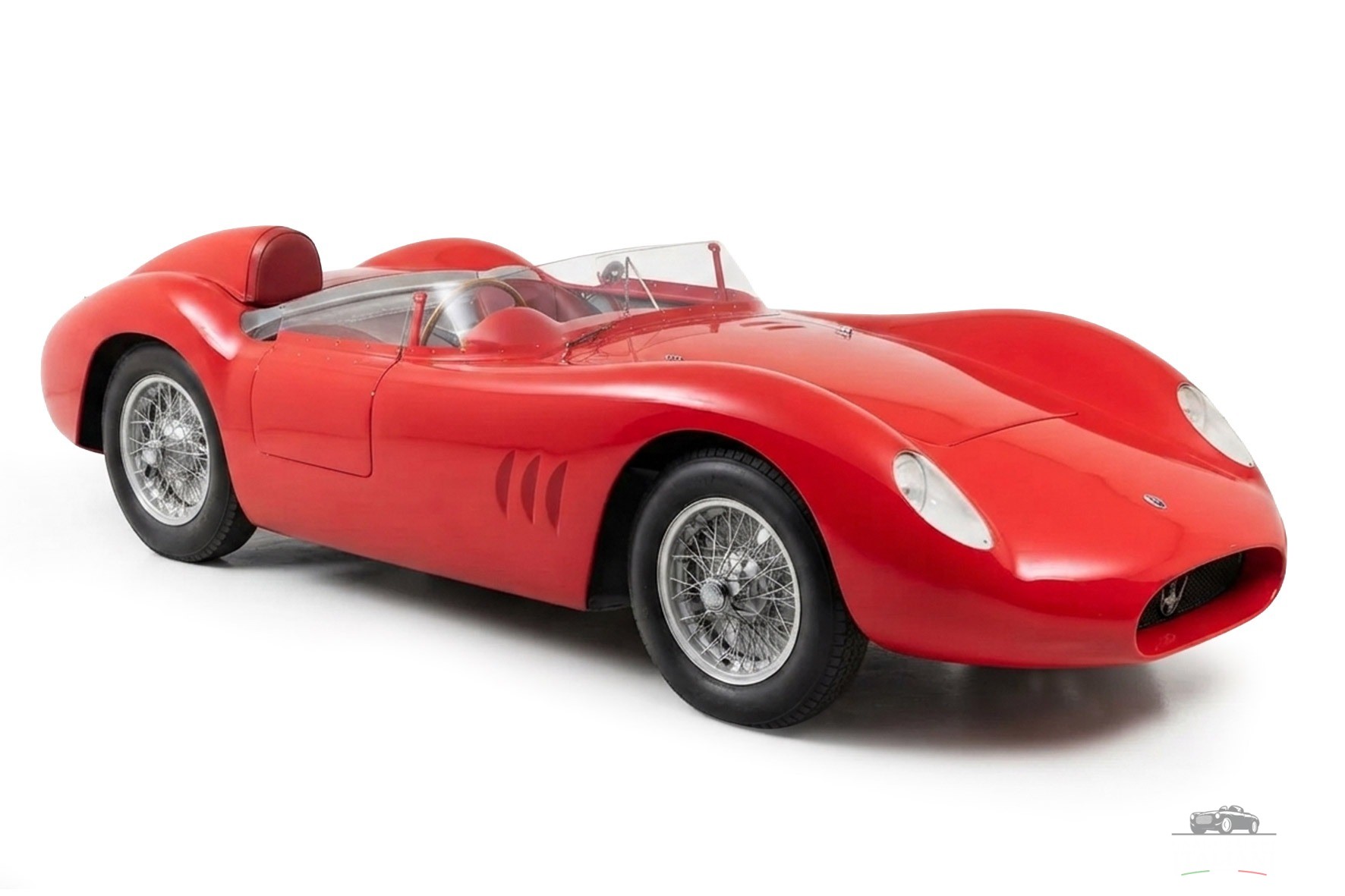
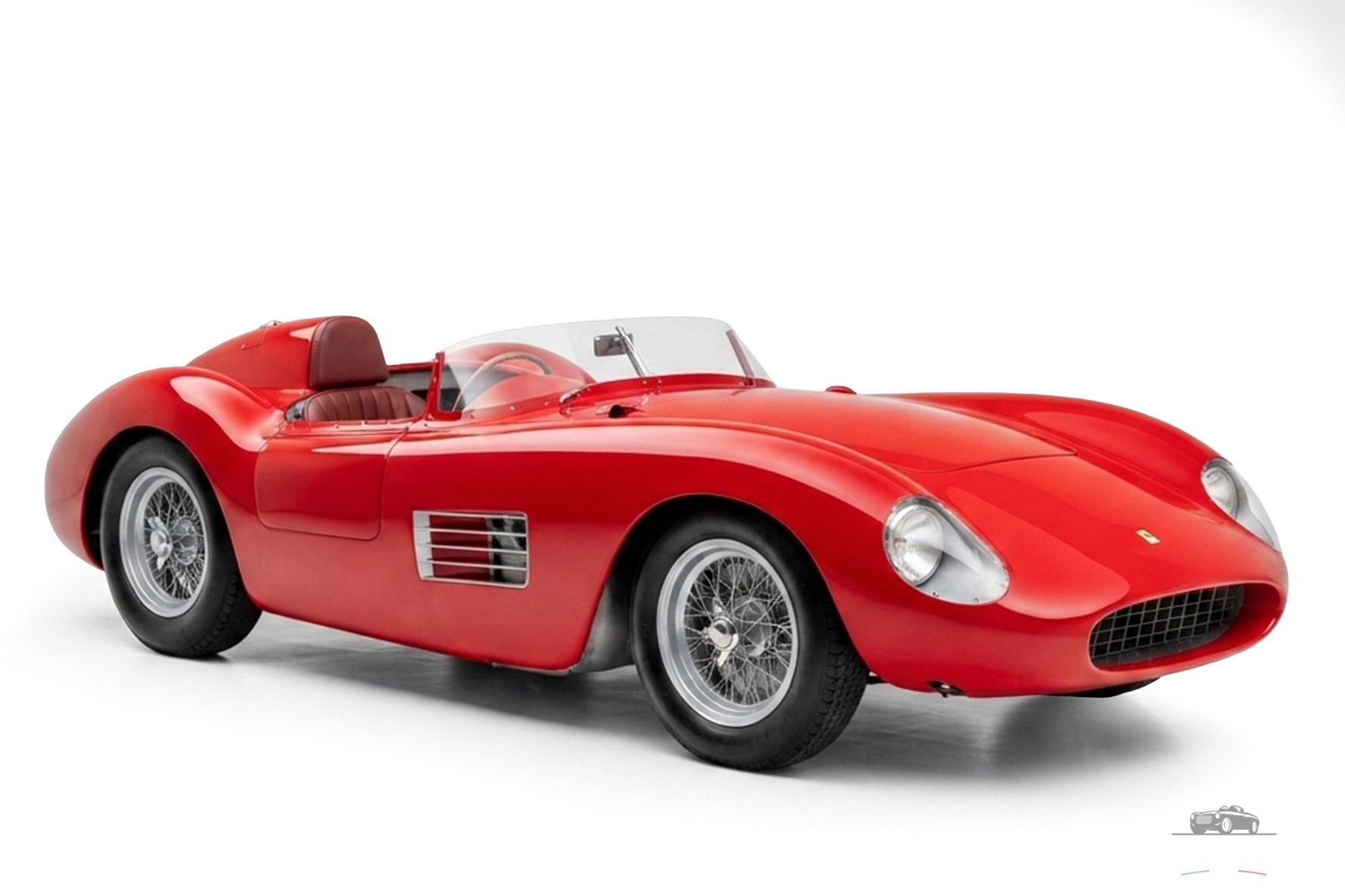
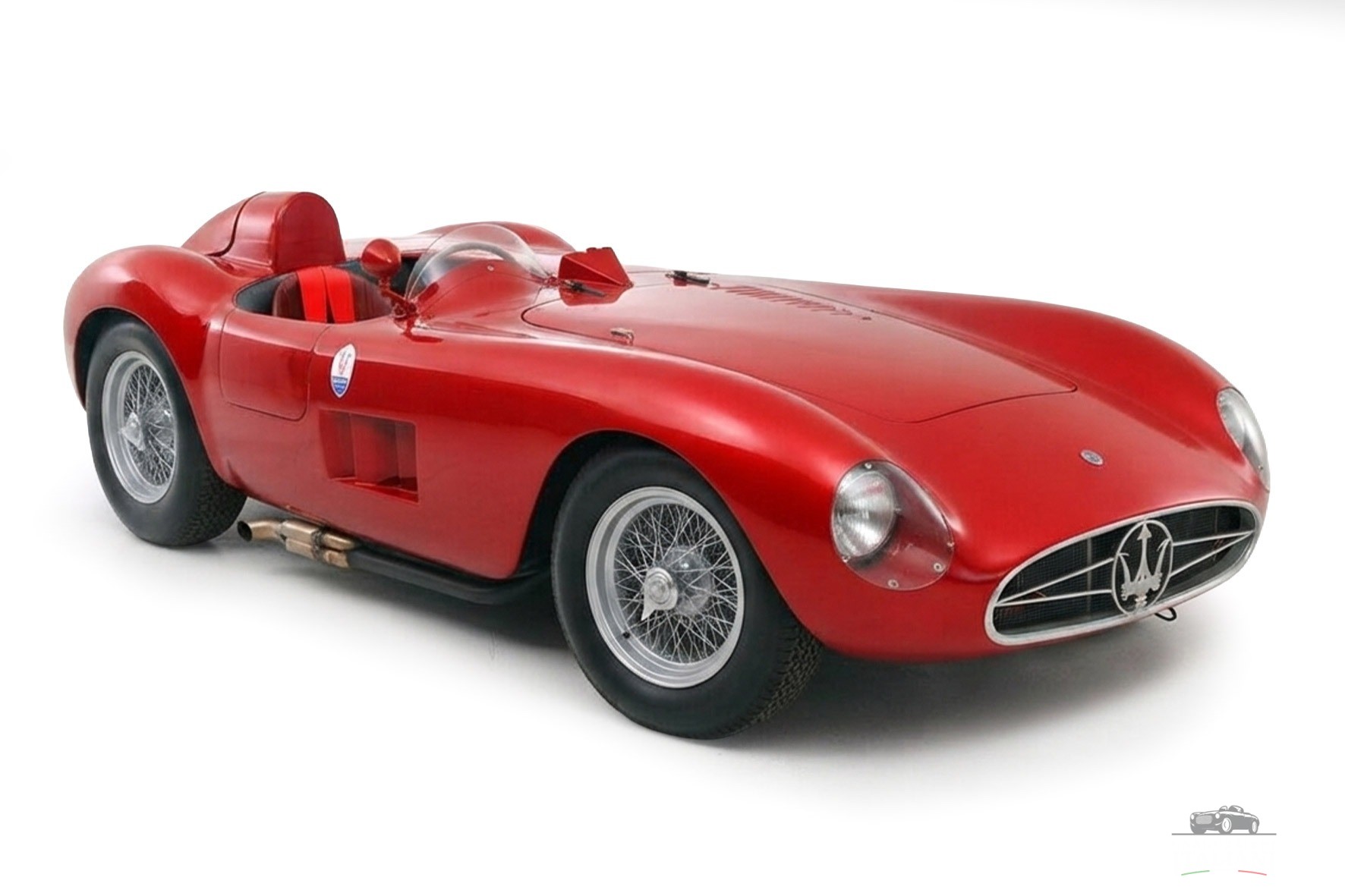
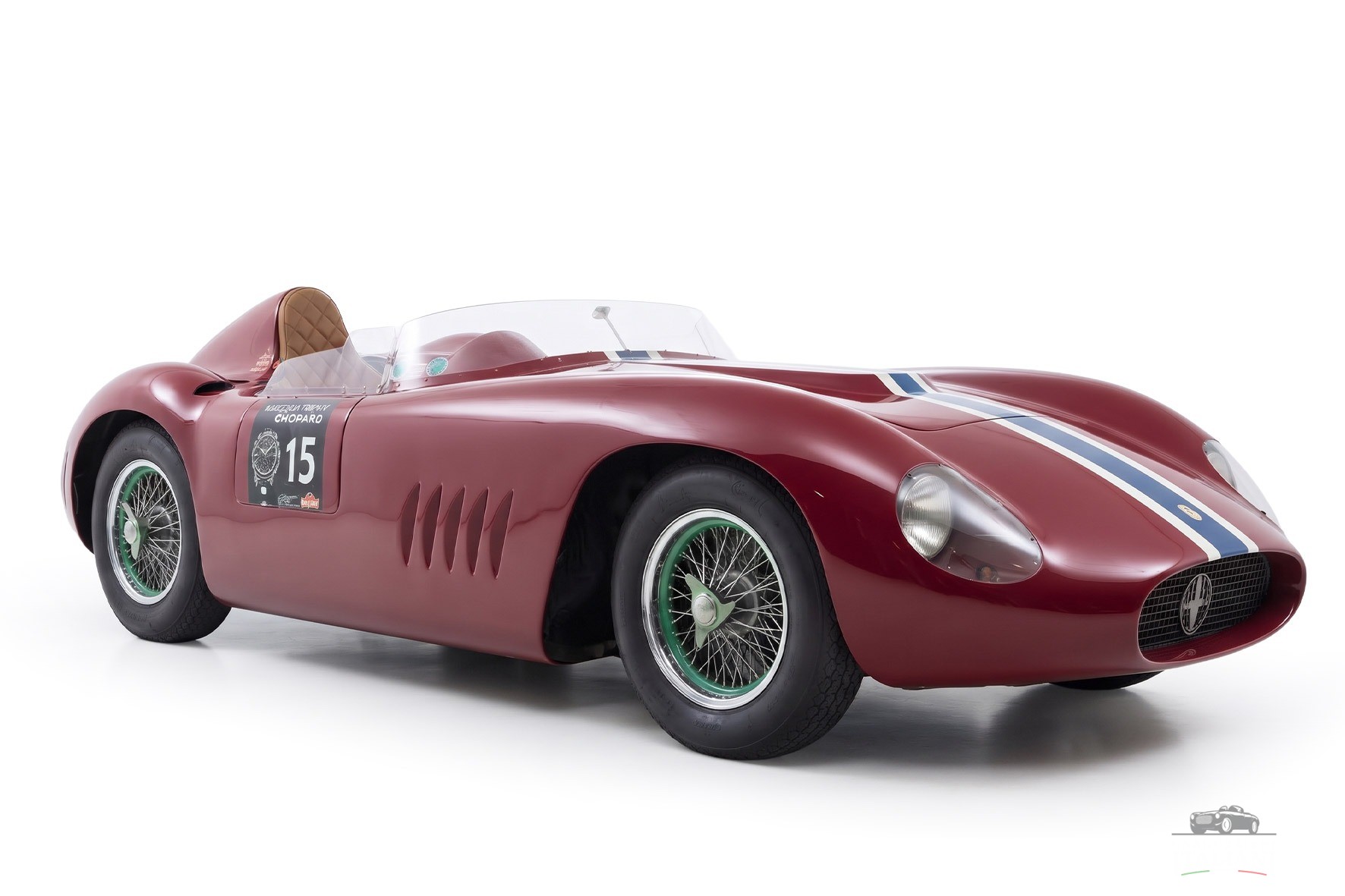
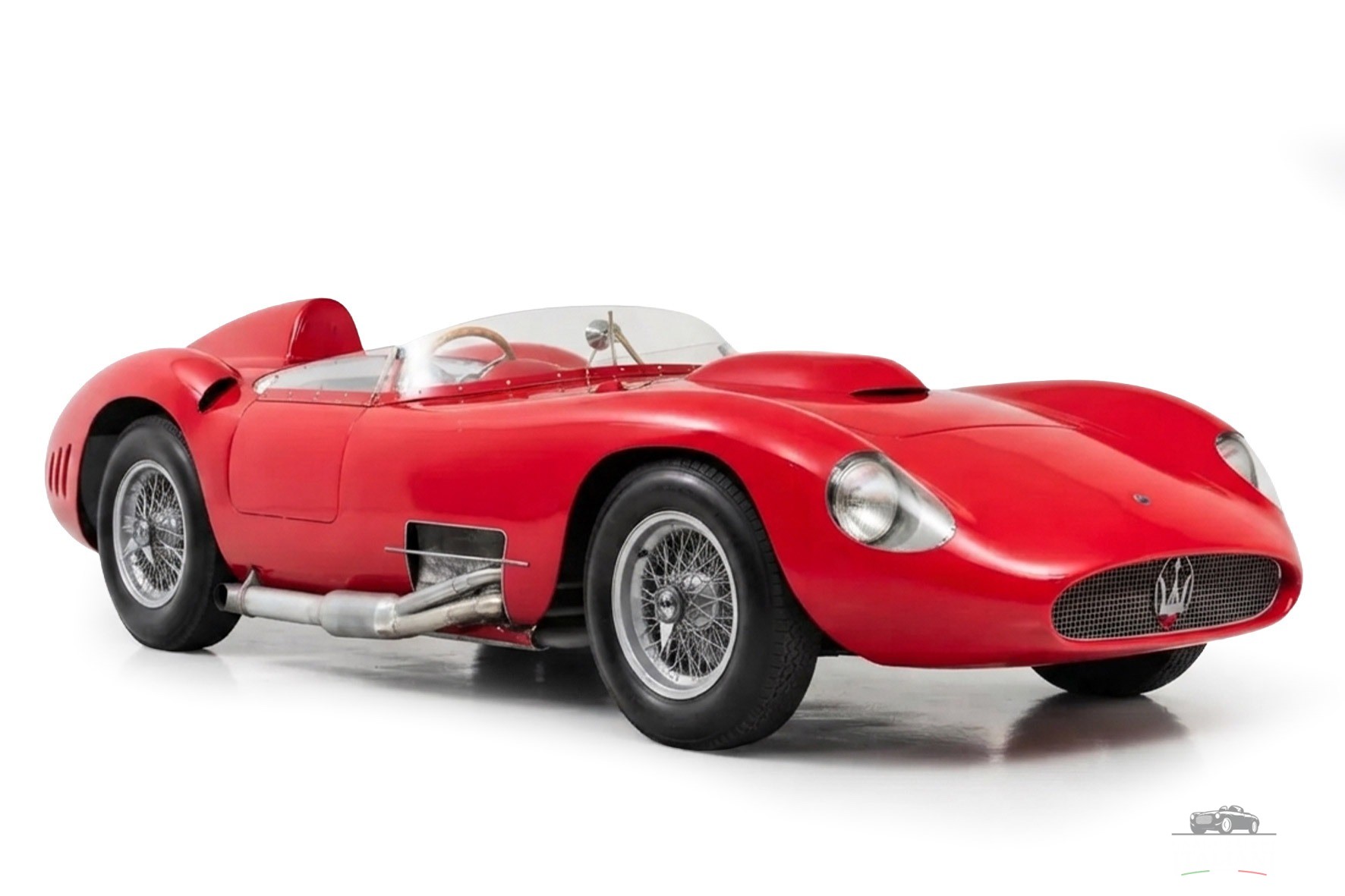
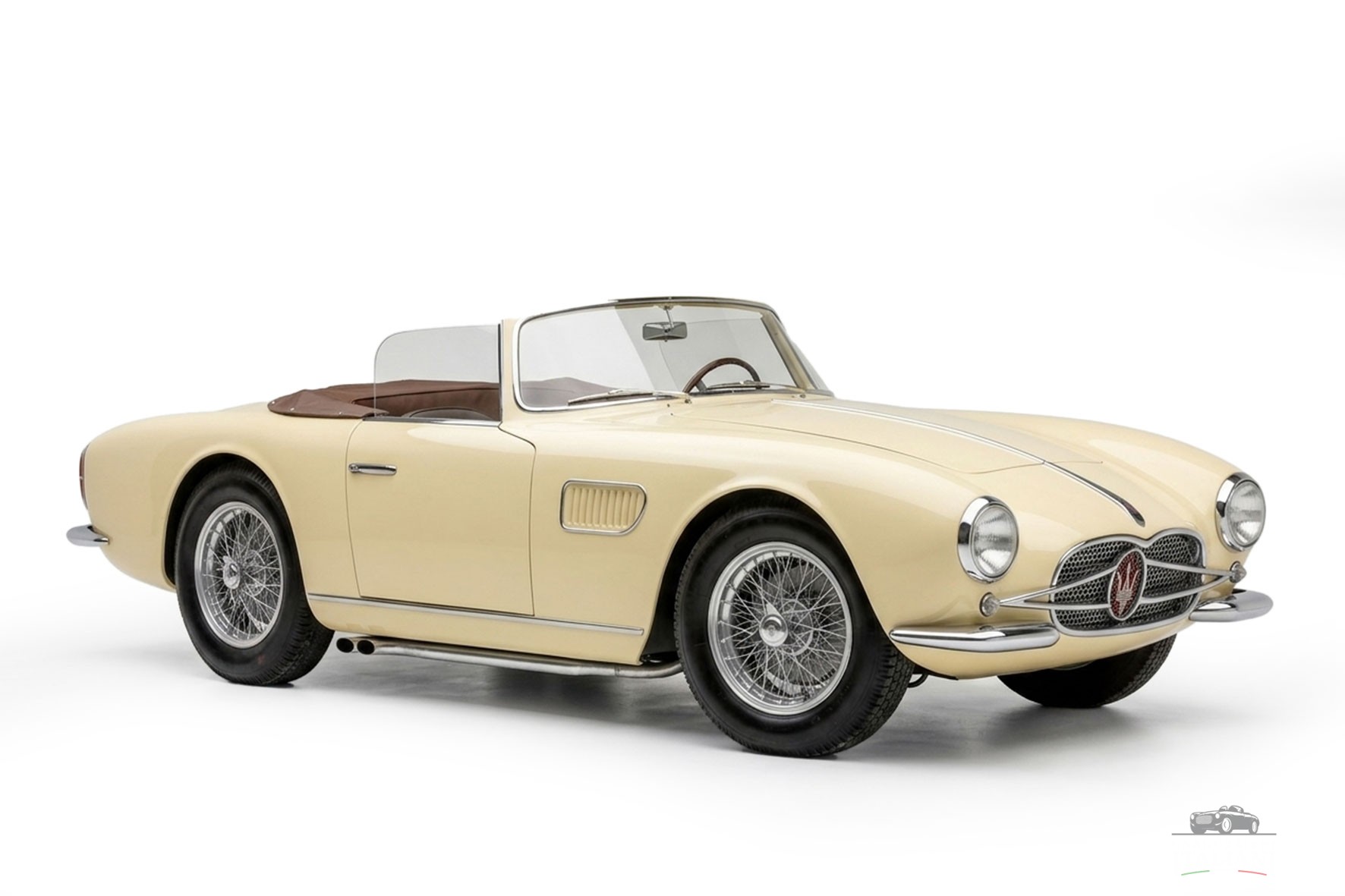
During the 1950s Fantuzzi built or contributed to bodies used on the Maserati 200S and 200SI, 250S, 300S, 350S and 450S programmes. Examples catalogued in the Car Database include the A6GCS/53 Spyder, 250S, 200S Fantuzzi and 150 GT Spider. These pages concern different vehicles or model programmes; their individual chassis identities, construction dates and later body changes require separate evidence.
Ferrari racing programmes
Fantuzzi’s sustained work with Ferrari expanded around 1958. Medardo modified the bodywork of the Dino Formula One cars for the following season and contributed to the aerodynamic development of Ferrari racing vehicles. In the sports-car field, the workshop fabricated bodies for several evolutions of the 250 Testa Rossa and the later sports prototypes, sometimes executing designs prepared within Ferrari or by Pinin Farina. Design authorship and the physical construction of a body are therefore separate attributions.
The Ferrari projects represented in the database include the 196 SP, 268 SP and the 330 TRI/LM Spyder. The 330 TRI/LM was a single 1962 competition car developed from an earlier Testa Rossa chassis and fitted with newly fabricated bodywork; it achieved overall victory at the 1962 24 Hours of Le Mans. The successive identities and bodywork of the earlier car and the rebuilt 330 TRI/LM must not be treated as interchangeable chassis records.
Special commissions and rebodies
Beyond factory racing programmes, Fantuzzi completed individual conversions for private customers. The Ferrari 250 GT Lusso Speciale, chassis 4383 GT, was substantially restyled for the Pederzani brothers, associated with the Tecno racing business. Its revised front-end treatment and roof differed from the standard Lusso; this commission must be documented independently of the workshop’s competition-car series.
The Ferrari 330 LMB Spider represents a further, unusually complex body history. Fantuzzi produced a special open body associated with the former competition car 4381 SA for use in a film project. The original racing body was retained and subsequently restored to the car, while the special body was later installed on another chassis. The history of the detachable body must therefore be kept distinct from the histories of the vehicles on which it appeared.
Other manufacturers and racing organisations
Fantuzzi carried out work for OSCA, De Tomaso, Automobili Serenissima and other Italian racing operations. Its Maserati-derived and Ferrari-derived work does not imply that it manufactured those cars’ engines or chassis. Individual projects included the Serenissima 308V Spyder, 308 Jet Competizione and Agena. The workshop’s responsibilities varied by project, from independent styling and body construction to the execution of designs commissioned elsewhere.
The De Tomaso Sport 5000 illustrates this distinction. The vehicle’s design was developed by Peter Brock in the context of a programme involving Alejandro de Tomaso and Carroll Shelby, while Fantuzzi fabricated the body. The proposed series production did not materialise. Fantuzzi also worked on selected one-off sports cars and racing bodies linked with the OSCA and Tecno environments; attributions for individual cars should be established from period photographs, workshop evidence or documented chassis histories.
Later workshop and historical identity
Medardo Fantuzzi died in 1986. His son Fiorenzo was involved in the family business and its later emphasis on the repair and restoration of historic competition cars. Published accounts differ over the end of that subsequent activity: 1993 is cited in some company chronologies, while later specialist reports describe work associated with Fiorenzo. Without evidence establishing the legal continuity of the enterprises, these dates should not be used as an unqualified closure date for every workshop trading under the Fantuzzi name.
Carrozzeria Fantuzzi’s historical importance lies particularly in the production of hand-formed aluminium competition bodywork and in its ability to translate engineering, aerodynamic and stylistic requirements into individual cars. The workshop’s documented coachbuilding role should remain separate from chassis manufacture, engine supply, vehicle ownership and the contributions of designers, engineers and other coachbuilders involved in the same programmes.
KEY MOMENTS
Timeline
-
Foundation of Fantuzzi
Modena, Italy
-
Fantuzzi begins its sustained Ferrari competition-bodywork phase
Modena, Italy
-
Death of Medardo Fantuzzi
Modena, Italy
-
Fiorenzo Fantuzzi continues the family carrozzeria after Medardo’s death
Modena, Italy
-
Carrozzeria Fantuzzi ends later repair and restoration activity
Modena, Italy
PEOPLE & DESIGN
Designers
Pietro Frua
Pietro Frua was an Italian automotive designer and coachbuilder who established his own Turin-based company and became known for elegant, individually styled bodies for European manufacturers.
Explore record ↗Vehicles at a glance
- Related vehicles
- 16
- One-offs
- 6
- Limited series
- 10
CONTINUE EXPLORING
Related vehicles


THE CONVERSATION
Comments 0