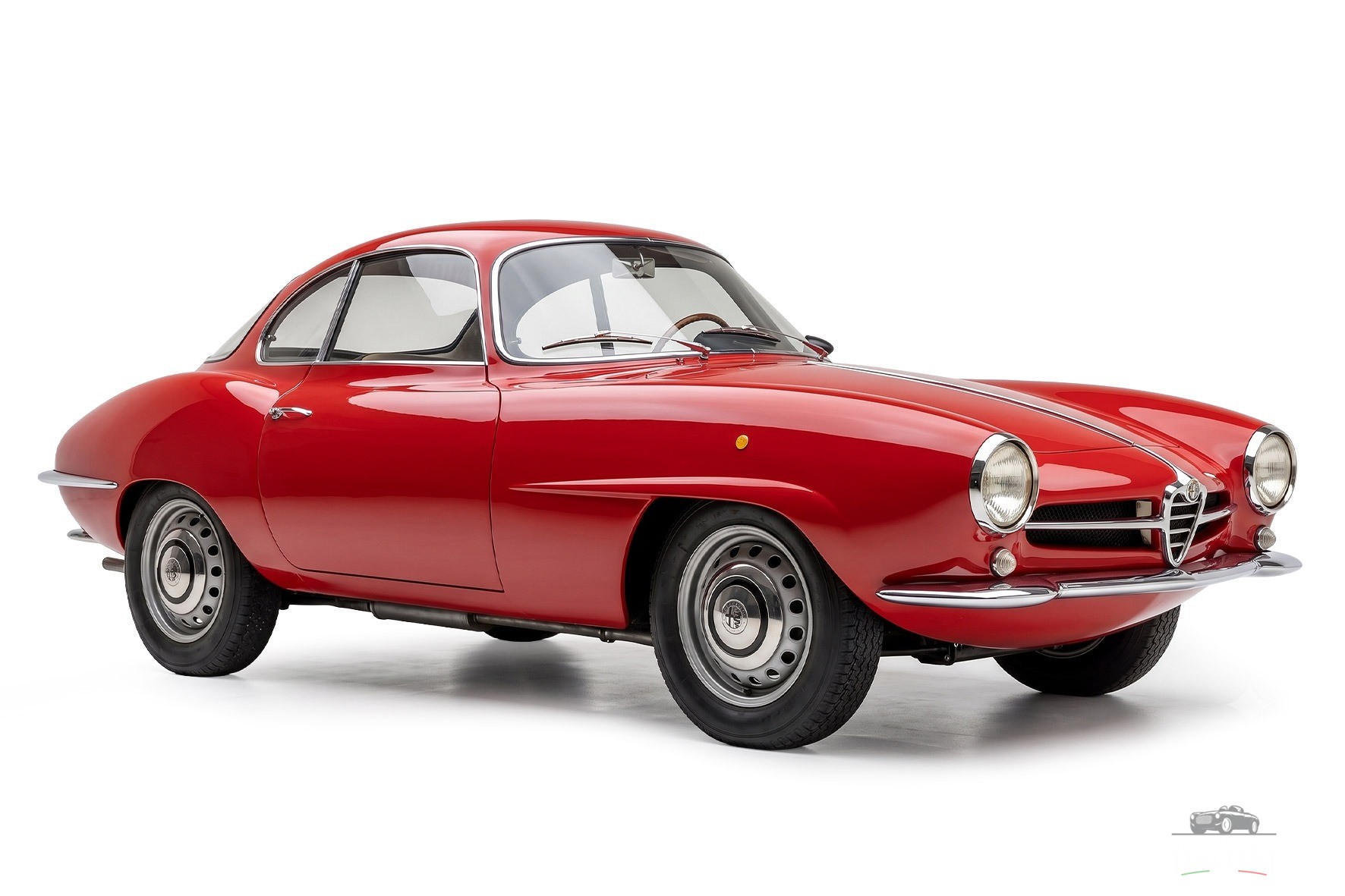
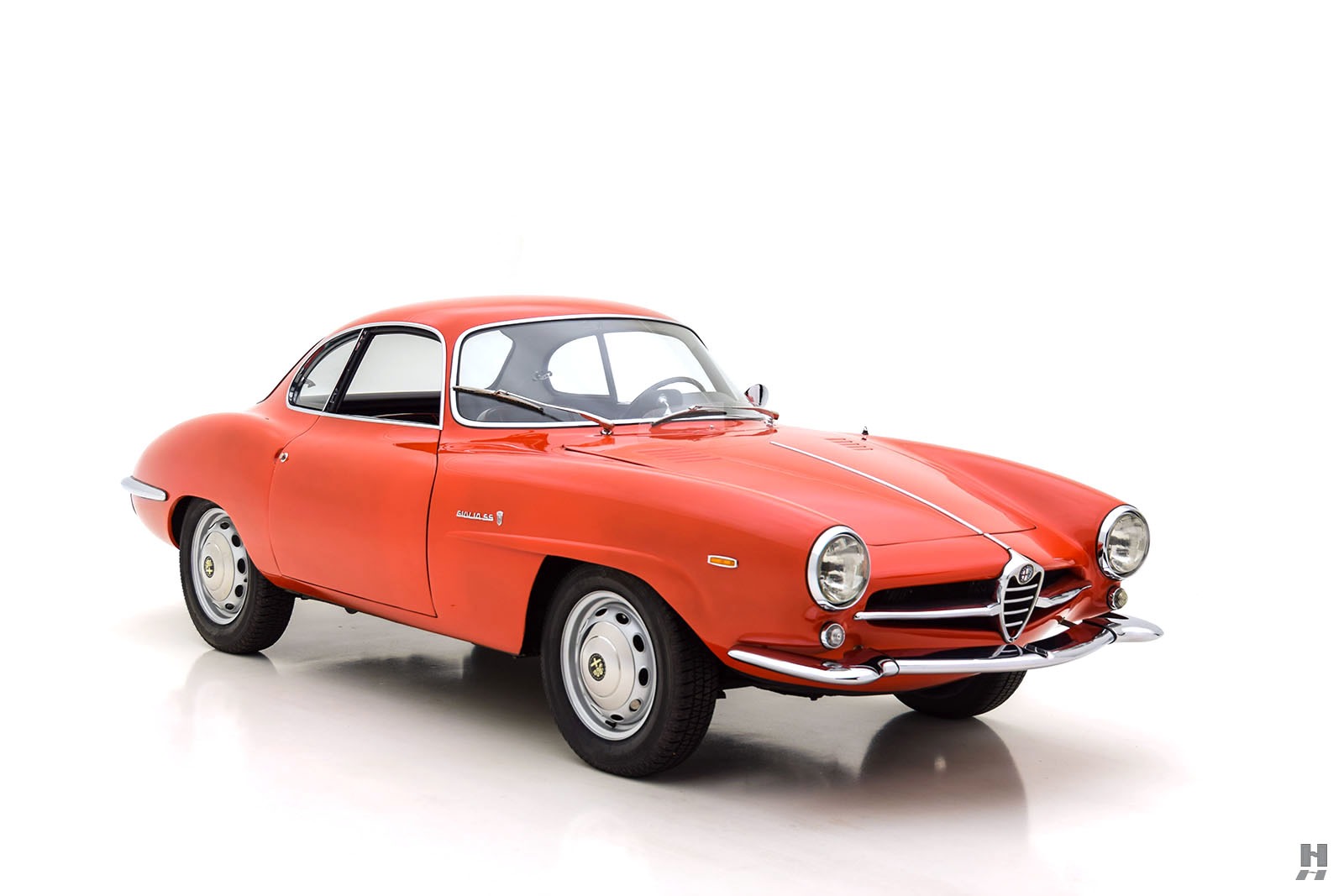
The Alfa Romeo Giulia Sprint Speciale (Giulia SS or 1600 SS) is a two-door coupé produced from 1963 to 1965, with bodywork by Bertone to the design of Franco Scaglione. It succeeded the Giulietta Sprint Speciale, retaining its aerodynamic body while adopting the larger engine and associated mechanical developments of the Giulia range. The updated car was introduced at the Geneva Motor Show in March 1963. It is a production model family, not an individual chassis or a one-off design study.
Origins and coachwork
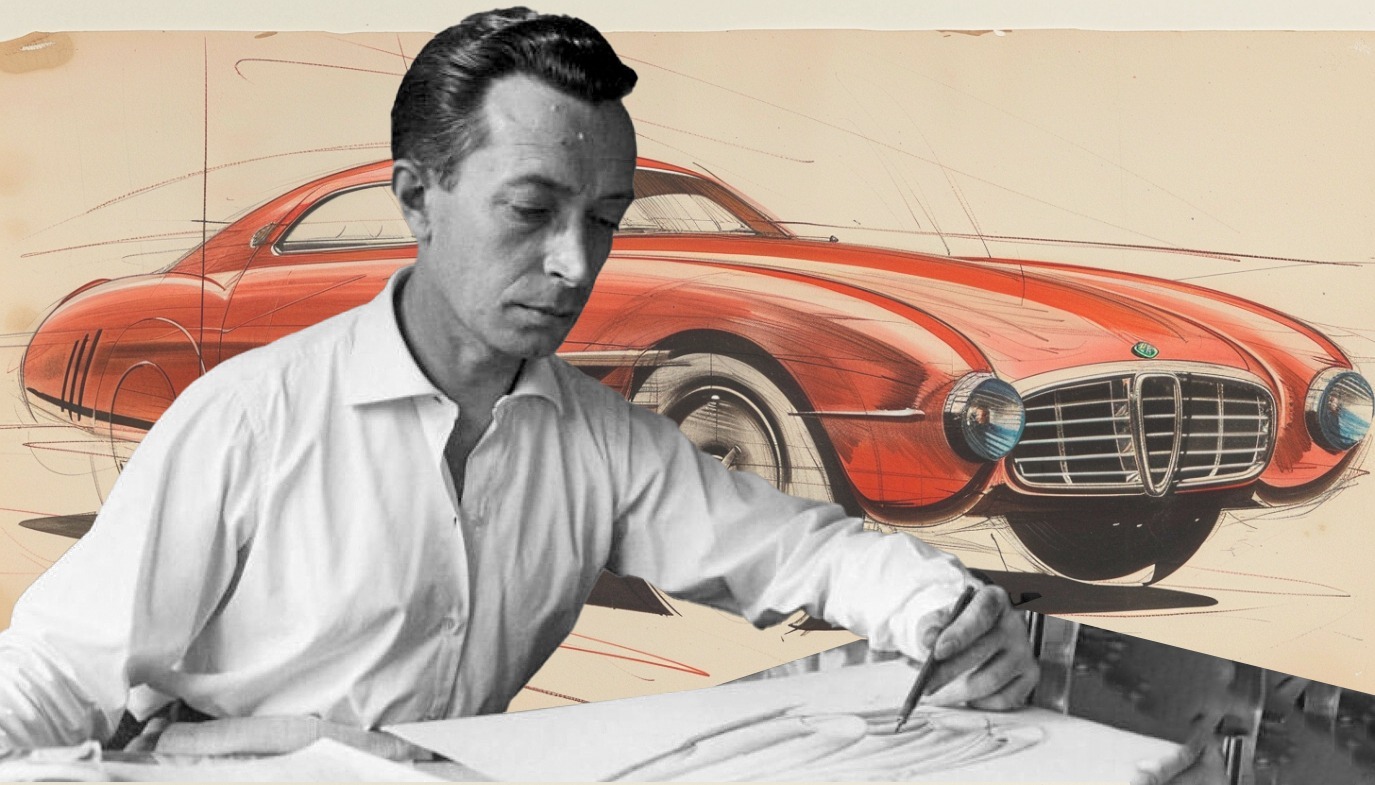
The origins of the Sprint Speciale body lie in Scaglione’s work for Bertone during the 1950s. Its low and elongated nose, flowing front wings, curved windscreen, compact cabin and tapering tail were intended to reduce aerodynamic resistance while accommodating conventional road-car mechanical components. The resulting silhouette remained unusually distinctive when the Giulietta SS was succeeded by the Giulia 1600 SS. The fundamental body shape was retained rather than redesigned around the larger engine, maintaining a clear visual continuity between the two generations.
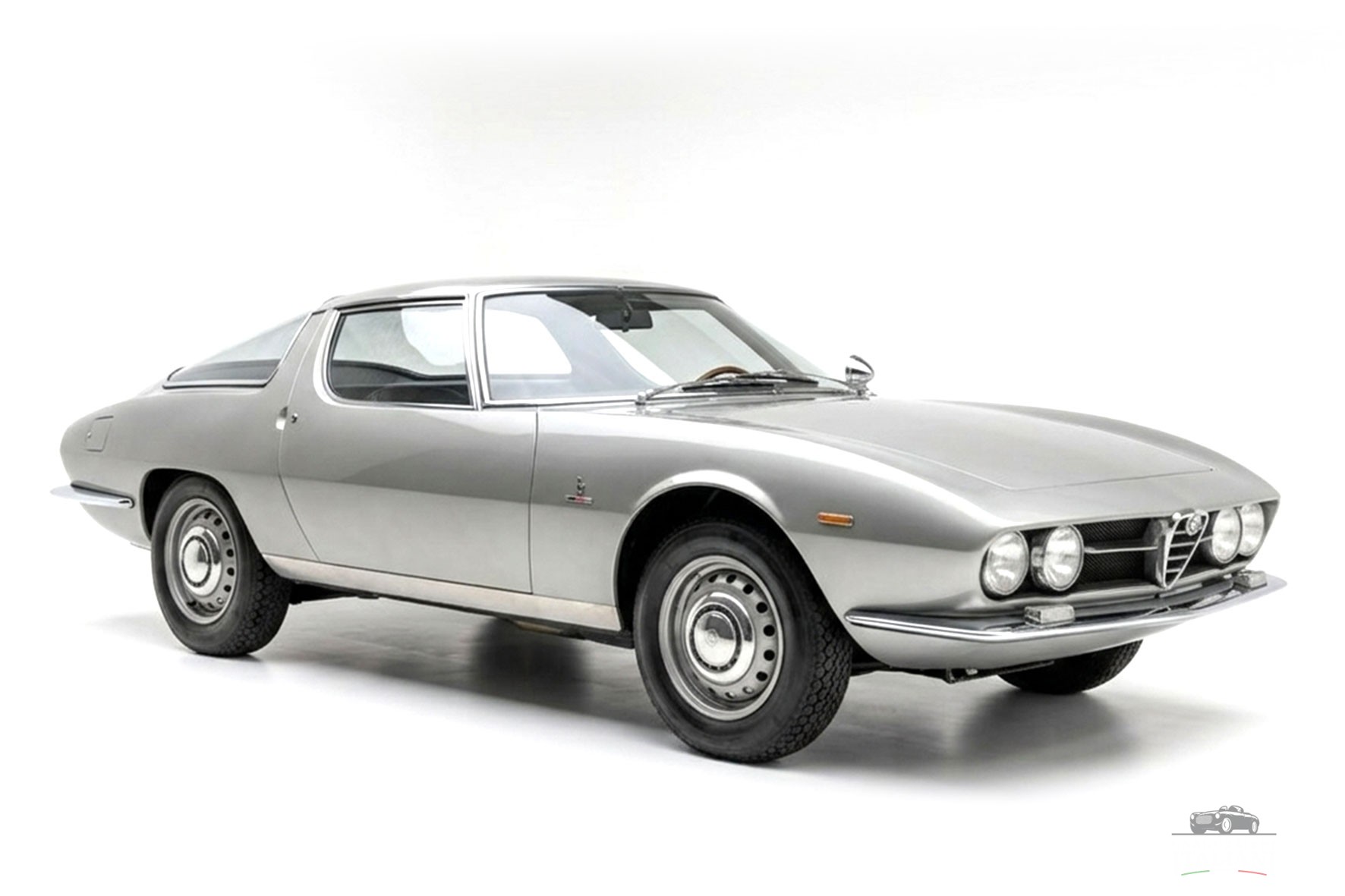
Externally, Giulia 1600 SS identification and revised side repeaters helped distinguish the later car from the earlier Giulietta. The passenger compartment was also revised. A changed instrument panel and dashboard details, including a passenger grab handle, made the interior less austere. These alterations should not be confused with the separate 1965 Giulia Sprint Speciale prototype, an individual Bertone project attributed to Giorgetto Giugiaro, which is catalogued independently.
Engine and mechanical development
The Giulia SS adopted Alfa Romeo’s 1,570 cm³ four-cylinder twin-cam engine, replacing the earlier 1,290 cm³ unit. The engine was equipped with two twin-choke Weber carburettors and was coupled to a five-speed manual gearbox driving the rear wheels. The increased displacement and torque gave the coupé more flexible performance in normal use. Published period and retrospective figures for maximum power and speed are not completely consistent; those values require attention to their source and test conditions rather than treating one estimate as applicable to every example.
The braking system changed during production. According to the manufacturer history, the first approximately 200 Giulia SS cars retained drum brakes on all four wheels, while subsequent examples received front disc brakes. A restoration or specification record therefore needs to take the individual car’s build period into account. The chassis type and series-wide mechanical characteristics do not establish the identity or specification of any particular surviving vehicle.
Production and historical use
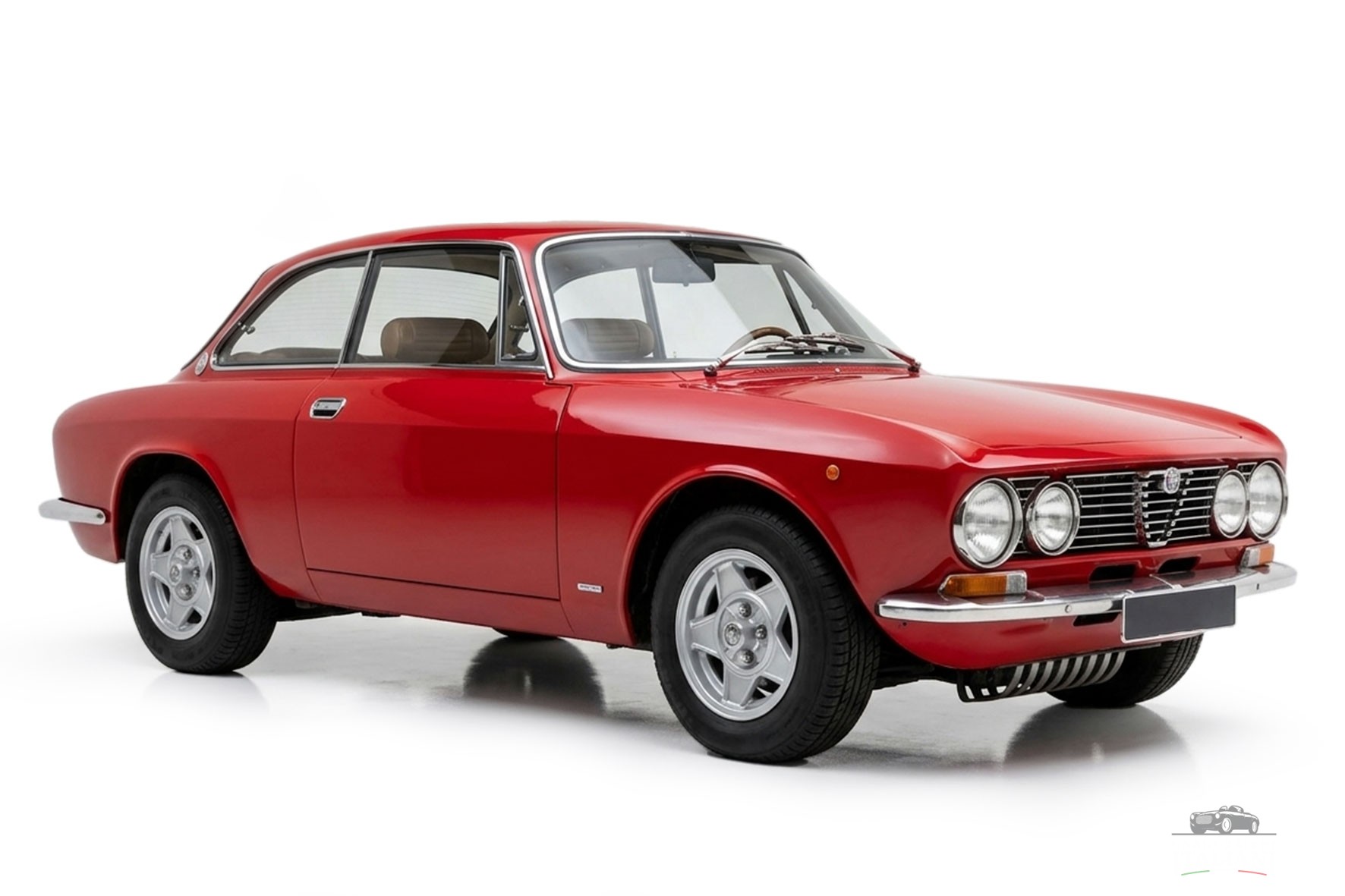
Alfa Romeo’s heritage documentation records a total of 1,400 Giulia Sprint Speciale cars, with production ending in 1965. This figure relates specifically to the Giulia SS and must not be combined with Giulietta SS totals or assigned to the distinct prototype. The model remained a specialised road-going coupé even as Alfa Romeo expanded the more conventional Giulia Sprint GT range.
Individual Giulia SS cars also entered competition in private hands. Period appearances included hill climbs and road or circuit events, with the manufacturer’s retrospective recording entries at the Targa Florio in the late 1960s, the Coppa Intereuropa at Monza, Mugello and the Daytona 24 Hours in 1969. Those references establish activity by cars of the type, not participation or awards for every vehicle in the production series. Any individual racing history, restoration, provenance or sale must be tied to a documented chassis rather than inferred from the model.


THE CONVERSATION
Comments 0