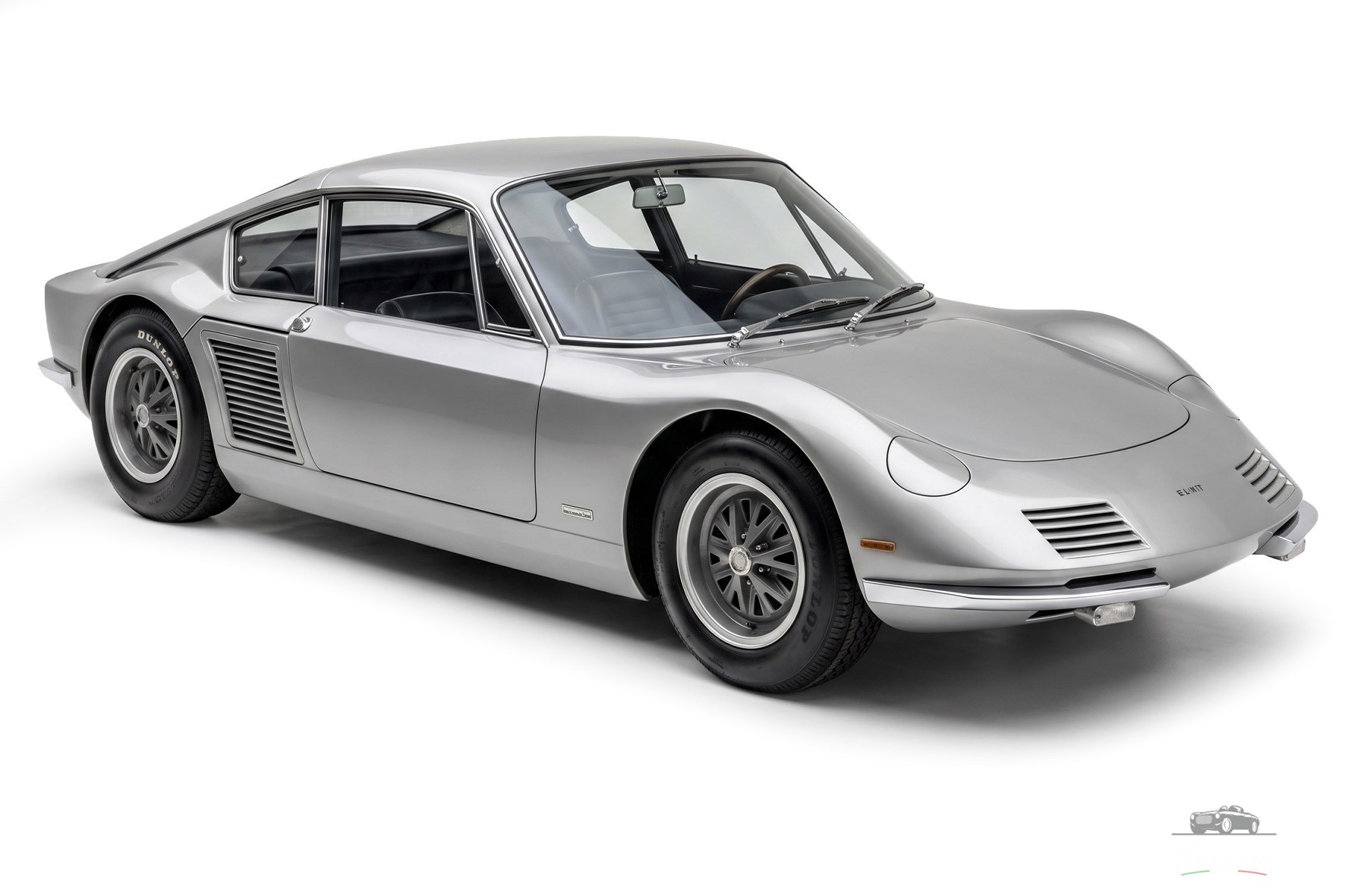
The Elva GT160 is a fascinating piece of automotive history, a rare gem of design and performance that captured the spirit of innovation in the 1960s. Designed by the talented Trevor Fiore at Carrozzeria Fissore, the GT160 was a sleek and sophisticated sports car with strikingly low proportions. At just 40 inches (1 meter) tall, its ultra-low stance not only gave it a distinctive silhouette but also contributed to its aerodynamic performance, making it a true head-turner on the road. Under the hood, the GT160 boasted a 1991 cc dry-sump BMW engine, which was a testament to its performance pedigree. This finely tuned powerplant enabled the car to reach an impressive top speed of 160 mph (257 km/h), a remarkable feat for its time. Such performance placed the GT160 in the upper echelon of sports cars, appealing to driving enthusiasts who valued speed and engineering excellence. One of the intriguing aspects of the GT160 was its planned adaptation for the UK market. A glass-fibre version of the car was to be introduced, showcasing the brand’s intent to expand its appeal while keeping the car lightweight and performance-oriented. This version would have likely offered improved accessibility and affordability, making the GT160 an exciting prospect for British sports car fans. However, the story of the GT160 was relatively short-lived. In 1964, Elva was taken over by Trojan Ltd, marking a significant shift in the company’s trajectory. While production of the GT160 continued for a few years, it ultimately ceased in 1969, bringing an end to this extraordinary model. Despite its limited production run, the GT160 remains a symbol of the creative and ambitious spirit of 1960s automotive design. Today, the Elva GT160 is cherished by collectors and enthusiasts alike, admired not only for its performance but also for its unique blend of Italian design and British engineering. It stands as a reminder of an era when daring innovation and artistry defined the automotive world.


THE CONVERSATION
Comments 0