
Ghia
Founded in Turin in 1916, Carrozzeria Ghia became a major Italian design and coachbuilding house, creating bespoke automobiles, prototypes and international collaborations across the twentieth century.
Explore record ↗
1975Coachwork by Ghia
THE VEHICLE AT A GLANCE
THE PEOPLE BEHIND THE CAR
Founded in Turin in 1916, Carrozzeria Ghia became a major Italian design and coachbuilding house, creating bespoke automobiles, prototypes and international collaborations across the twentieth century.
Explore record ↗Paul Breuer is a Belgian designer who joined OSI in Turin in 1966 and subsequently worked at Fiat and Ford's Ghia studio. At Open Design he collaborated on projects for Mitsubishi, Saab, SEAT and De Tomaso. Becoming independent in 1985, he expanded into boats, trains, caravans and industrial vehicles.
Explore record ↗01 / THE STORY
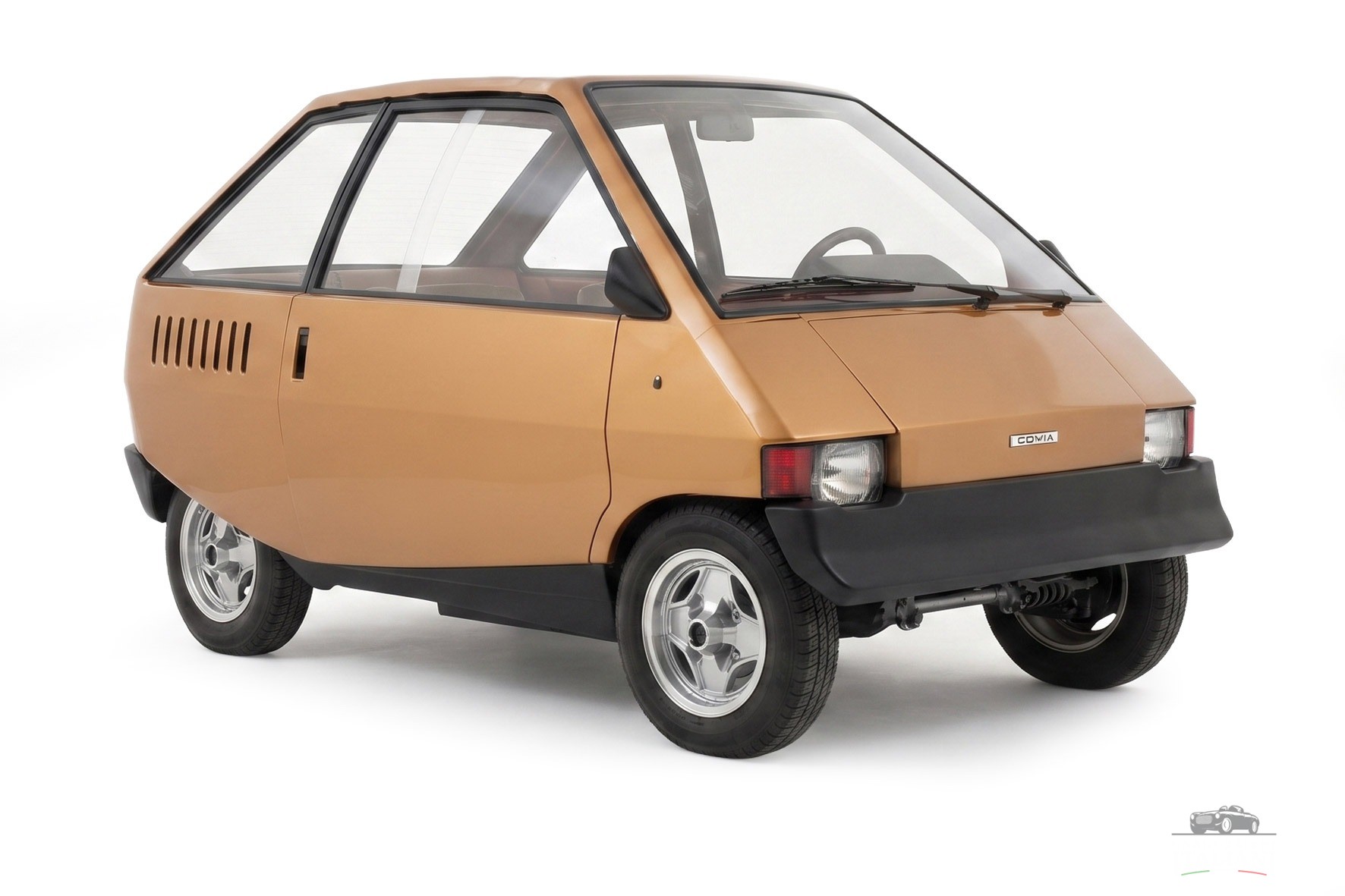
The Ford Urban was an innovative concept car designed by Ghia in the early 1970s, utilizing the compact architecture and running gear of the Ford Fiesta. Standing just 137 centimeters tall and measuring only 259 centimeters in length, the Urban was a small and agile city car created to address the growing concerns of urban congestion and the aftermath of the 1973 fuel crisis. This crisis had placed a renewed emphasis on fuel efficiency, making small, economical cars more desirable. Despite its diminutive size and short, two-door profile, the Ford Urban was designed to be surprisingly practical. It could comfortably seat four people, offering a compact solution for city dwellers who needed a car that could easily navigate through crowded streets. Its small dimensions made it perfect for tight parking spaces and city driving, while still providing a functional and surprisingly spacious interior for passengers. The Urban’s design was also highly focused on practicality. A unique feature of the concept was its innovative storage solutionthere was a dedicated luggage area located in front of the driver, making it more versatile than most compact cars of the time. This clever use of space was especially useful for a city car, allowing the driver and passengers to carry additional belongings despite the vehicle’s small footprint. The Ford Urban was a forward-thinking response to the challenges of urban living, offering an eco-friendly, efficient, and space-conscious solution to the rising concerns over fuel consumption and environmental impact. Although it never reached production, the concept car provided a glimpse into the future of urban mobility, influencing the design of small, fuel-efficient city cars in the years that followed. Its combination of practicality, economy, and smart design has earned the Ford Urban a place in automotive history as an early example of the compact cars that would later dominate urban transportation.
02 / TECHNICAL IDENTITY
03 / DESIGN, BODY & SUPPLIERS
Coachbuilder / Design studio
Founded in Turin in 1916, Carrozzeria Ghia became a major Italian design and coachbuilding house, creating bespoke automobiles, prototypes and international collaborations across the twentieth century.
Explore record ↗Designer
Paul Breuer is a Belgian designer who joined OSI in Turin in 1966 and subsequently worked at Fiat and Ford's Ghia studio. At Open Design he collaborated on projects for Mitsubishi, Saab, SEAT and De Tomaso. Becoming independent in 1985, he expanded into boats, trains, caravans and industrial vehicles.
Explore record ↗07 / GALLERY
THE CONVERSATION
Comments 0