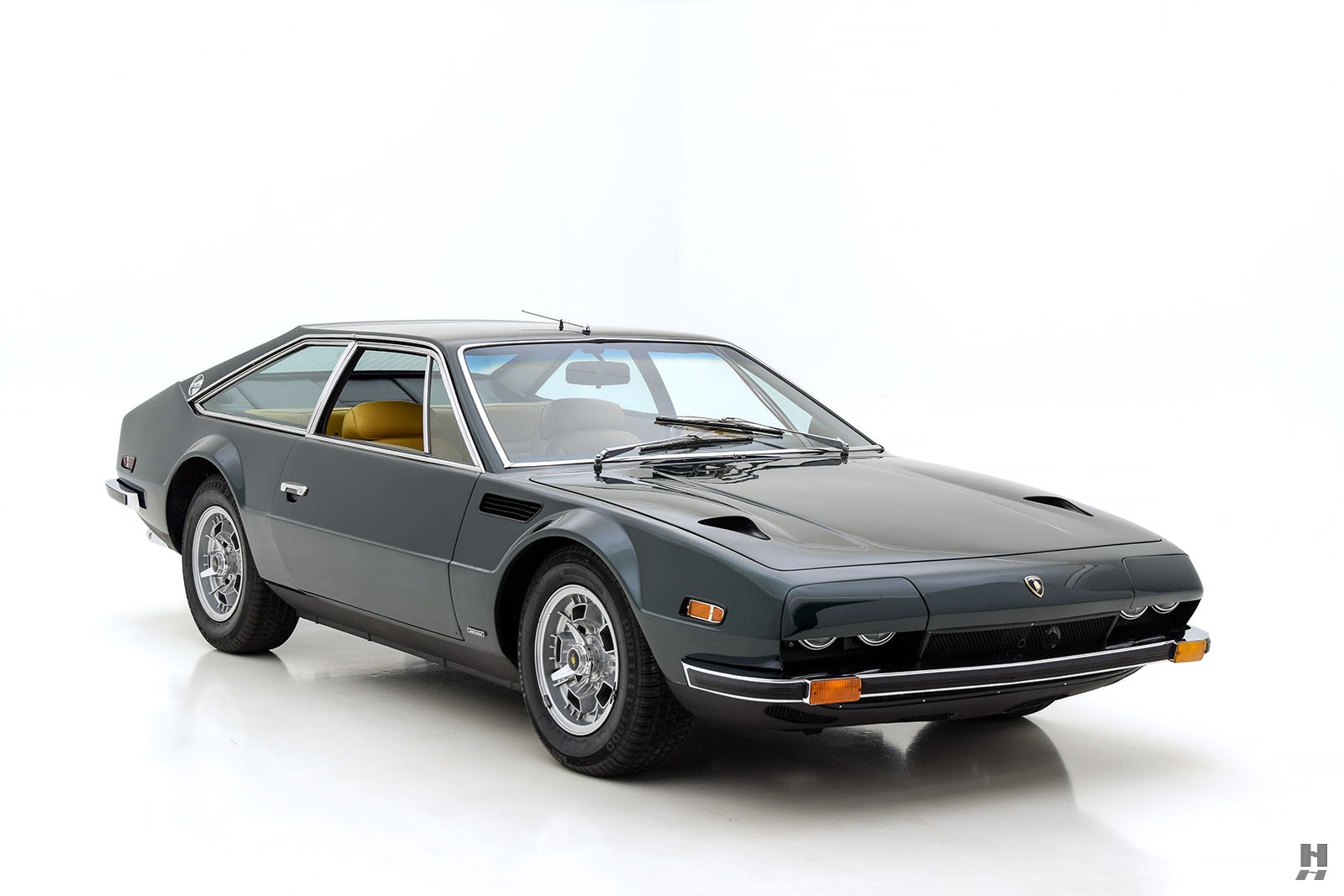
The Lamborghini Jarama, introduced at the 1970 Geneva Motor Show, marked a shift in design philosophy for Lamborghini, departing from the bold and flamboyant designs of its predecessors. Created by Marcello Gandini, chef designer of Bertone, the 2+2 front-engine V12 GT was more understated compared to the extravagance of the Lamborghini Espada, the bold Marzal, and the iconic Miura. Gandinis design, while more restrained, exuded a geometric elegance that blended seamlessly with the cars performance-focused character. The Lamborghini Jarama was introduced to replace the Islero, primarily due to changing U.S. safety and emission regulations. With stricter standards on the horizon, Lamborghini sought to create a more comfortable and practical 2+2 vehicle without compromising performance. This design direction was consistent with Ferruccio Lamborghinis preference for 2+2 configurations, a concept he had embraced since the launch of the Lamborghini 350 GT. Named after the region renowned for breeding fighting bulls, the Lamborghini Jarama was engineered by Paolo Stanzani after the departure of chief engineer Gianpaolo Dallara. Stanzani kept the Isleros floorplan and mechanics but adapted them to meet the new regulatory demands, pairing them with a modern 2+2 body designed by Bertone. The pre-series models were assembled by Carrozzeria Marazzi, while production models were built at Carrozzeria Bertone’s Grugliasco plant. The exterior design of the Lamborghini Jarama was defined by its fastback coupe styling, featuring a slightly unbalanced, imposing tail end. However, the sleek pillars and the absence of side moldings gave the car a lighter, more streamlined appearance. Notable features included large light-alloy wheels, a sporty front end with twin circular headlights, and a small integrated roof spoiler that enhanced its aerodynamic profile. Inside, the Lamborghini Jarama radiated luxury, offering leather upholstery, soft carpeting, a wooden steering wheel, and a dashboard with circular dials that reflected the car’s refined character. While the front seats provided ample comfort, the rear seats were more suited for children, maintaining a slim profile. The Jarama came equipped with air conditioning as standard, while an optional sunroof, split into two sections, was available in a limited run of 21 cars. Under the hood, the Lamborghini Jarama boasted a 3929 cm³ V12 engine with four camshafts and six Weber carburetors, producing 325 horsepower. The cars 5-speed gearbox and four-wheel disc brakes, a pioneering feature at the time, ensured robust and efficient performance. With a shorter wheelbase than the Lamborghini Espada, the Jarama struck a perfect balance between agility and comfort, making it an ideal choice for a young couple seeking a luxurious, high-performance vehicle with a practical 2+2 configuration. As part of Lamborghini’s rich history, the Jarama continues to be remembered as a classic example of the brands ability to innovate while maintaining a commitment to performance and luxury.



THE CONVERSATION
Comments 0