
Pininfarina
Founded by Battista Pinin Farina in Turin in 1930, Pininfarina became one of the most influential Italian styling and coachbuilding houses, particularly through its work for Ferrari and other international manufacturers.
Explore record ↗
1999
THE VEHICLE AT A GLANCE
THE PEOPLE BEHIND THE CAR
Founded by Battista Pinin Farina in Turin in 1930, Pininfarina became one of the most influential Italian styling and coachbuilding houses, particularly through its work for Ferrari and other international manufacturers.
Explore record ↗01 / THE STORY
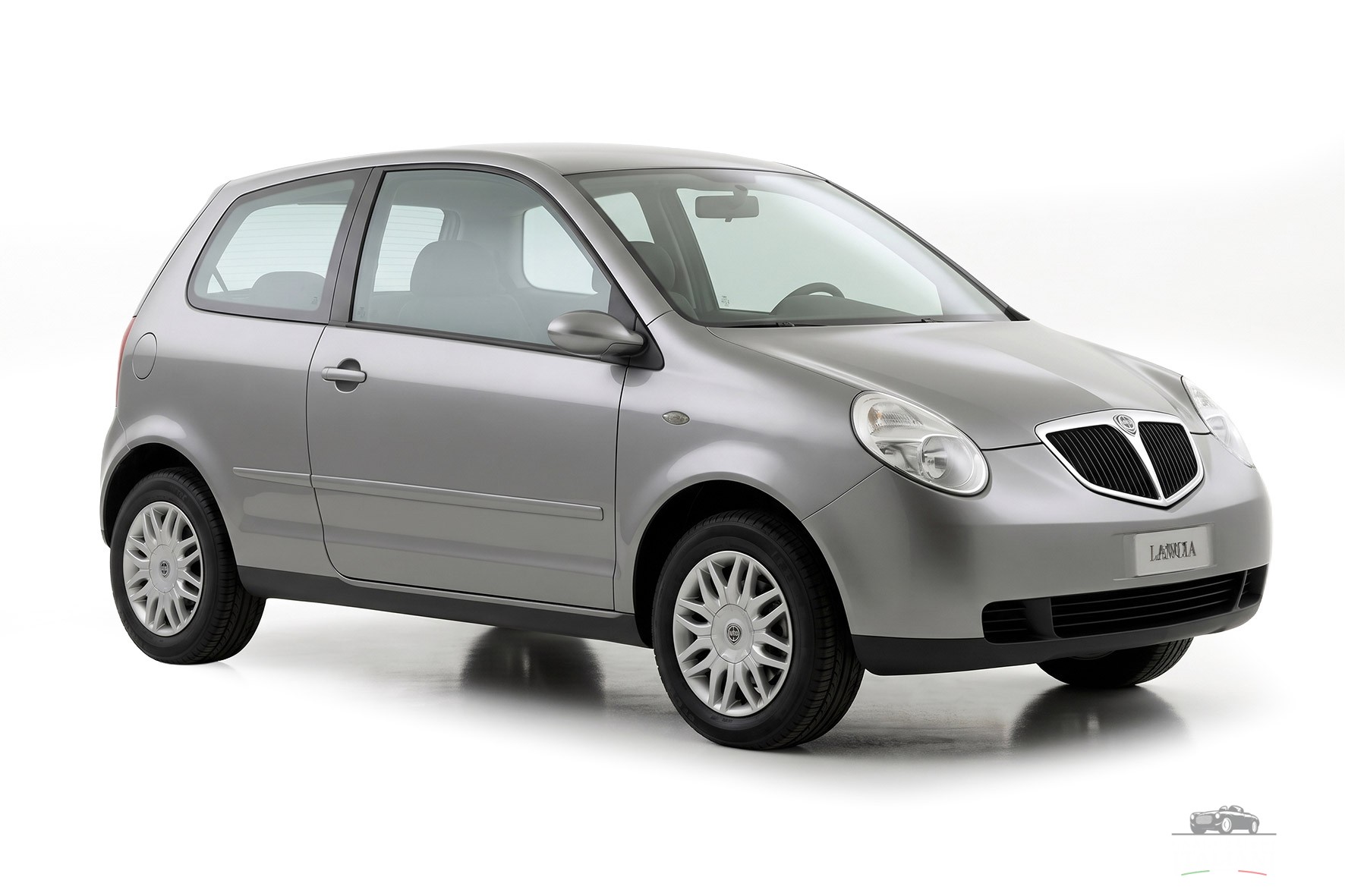
The Lancia Ypsilon Pininfarina design proposal. In 1999, Lancia was poised for a new chapter in its history, and the design proposal for the Lancia Ypsilon became a battleground for several design houses. Pininfarina, a name synonymous with elegance and innovation, presented a captivating vision for the Ypsilon, only to be edged out in the end. Pininfarina’s proposal, while sharing a familiar front end with Lancia’s distinctive grille and headlights reminiscent of the Dialogos/Thesis models, took a more conventional route in terms of side design. The design house, known for its timeless and classic approach to automotive aesthetics, embraced a style that harked back to traditional design philosophies. The result was a sophisticated and refined side profile, drawing parallels to the elegance associated with the Volkswagen Lupo. Contrary to Pininfarina’s classic approach, Fioravanti, another esteemed design house, opted for a different aesthetic direction. Unfortunately for Fioravanti, neither proposal clinched the victory in the fierce competition. Despite the renowned external contenders, Lancia decided to keep the creative reins in-house, choosing an internal design over the external propositions. Pininfarina’s proposal, with its nuanced blend of Lancia’s trademark elements and a touch of classic design reminiscent of the Volkswagen Lupo, showcased the design house’s ability to balance tradition and modernity. The familiar grille and headlights paid homage to Lancia’s identity, while the conventional side design added a touch of timelessness to the Ypsilon’s aesthetic. Ultimately, the in-house design emerged victorious, signaling Lancia’s desire to shape its future with a vision crafted within its own walls. While The Lancia Ypsilon Pininfarina proposal may not have adorned the Lancia Ypsilon, its contribution to the design process remains a testament to the dynamic interplay between tradition and innovation in the automotive world.
02 / TECHNICAL IDENTITY
03 / DESIGN, BODY & SUPPLIERS
Coachbuilder / Design studio
Founded by Battista Pinin Farina in Turin in 1930, Pininfarina became one of the most influential Italian styling and coachbuilding houses, particularly through its work for Ferrari and other international manufacturers.
Explore record ↗07 / GALLERY
THE CONVERSATION
Comments 0