
Ercole Spada
AT A GLANCE
- Born
- 1937-07-26
- Birthplace
- Busto Arsizio
- Died
- 2025-08-03
- Nationality
- Italian
- Occupation
- Automotive designer
- Active from
- 1960
- Studio
- Zagato / Ford-Ghia / BMW / I.DE.A Institute / SpadaConcept
- Based in
- Milan / Turin, Italy
THE STORY
Overview
Ercole Spada (26 July 1937 – 3 August 2025) was an Italian automotive designer associated with Zagato, Ford and Ghia, BMW, the I.DE.A Institute and Spadaconcept. His work ranged from lightweight competition bodies and limited-production grand tourers to high-volume saloons. He was the individual stylist responsible for several of Zagato’s best-documented 1960s projects, although his work as a design director in later organisations must be distinguished from the individual contributions of other designers and engineers.
Education and early career
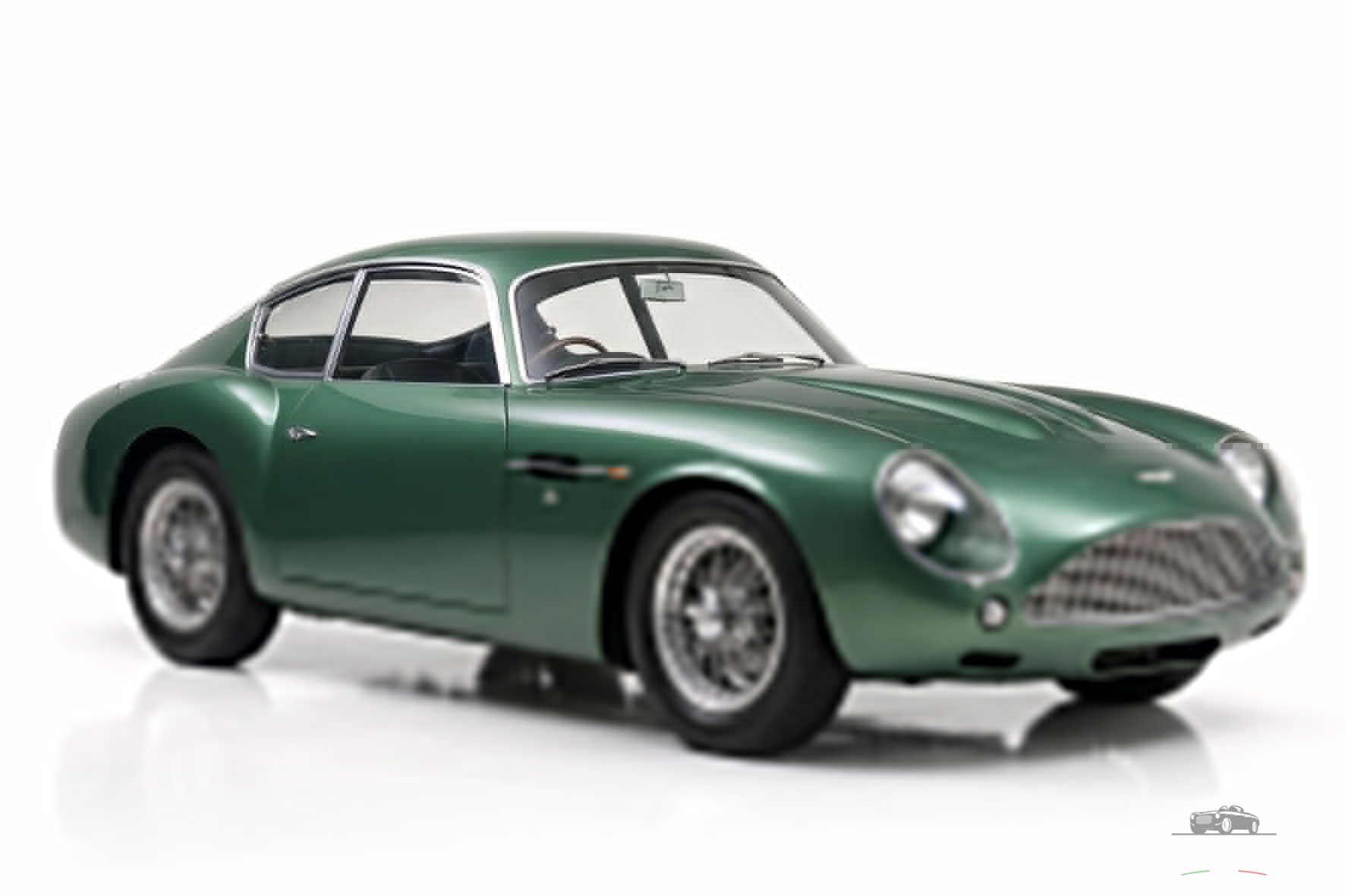
Spada was born at Busto Arsizio, Lombardy, on 26 July 1937. He graduated from the Feltrinelli technical institute in Milan in 1956 and completed military service before joining Carrozzeria Zagato in 1960. He later described a direct collaboration between the drawing office and the craftsmen forming body panels: a full-scale change could be evaluated immediately on an actual body. The Aston Martin DB4 GT Zagato was one of his earliest assignments and, by his own account, the first car he designed at the firm. Its lightweight body was developed around Aston Martin’s competition requirements. The 1960s original production family must not be confused with later Sanction and continuation cars.
Aerodynamic development and Alfa Romeo
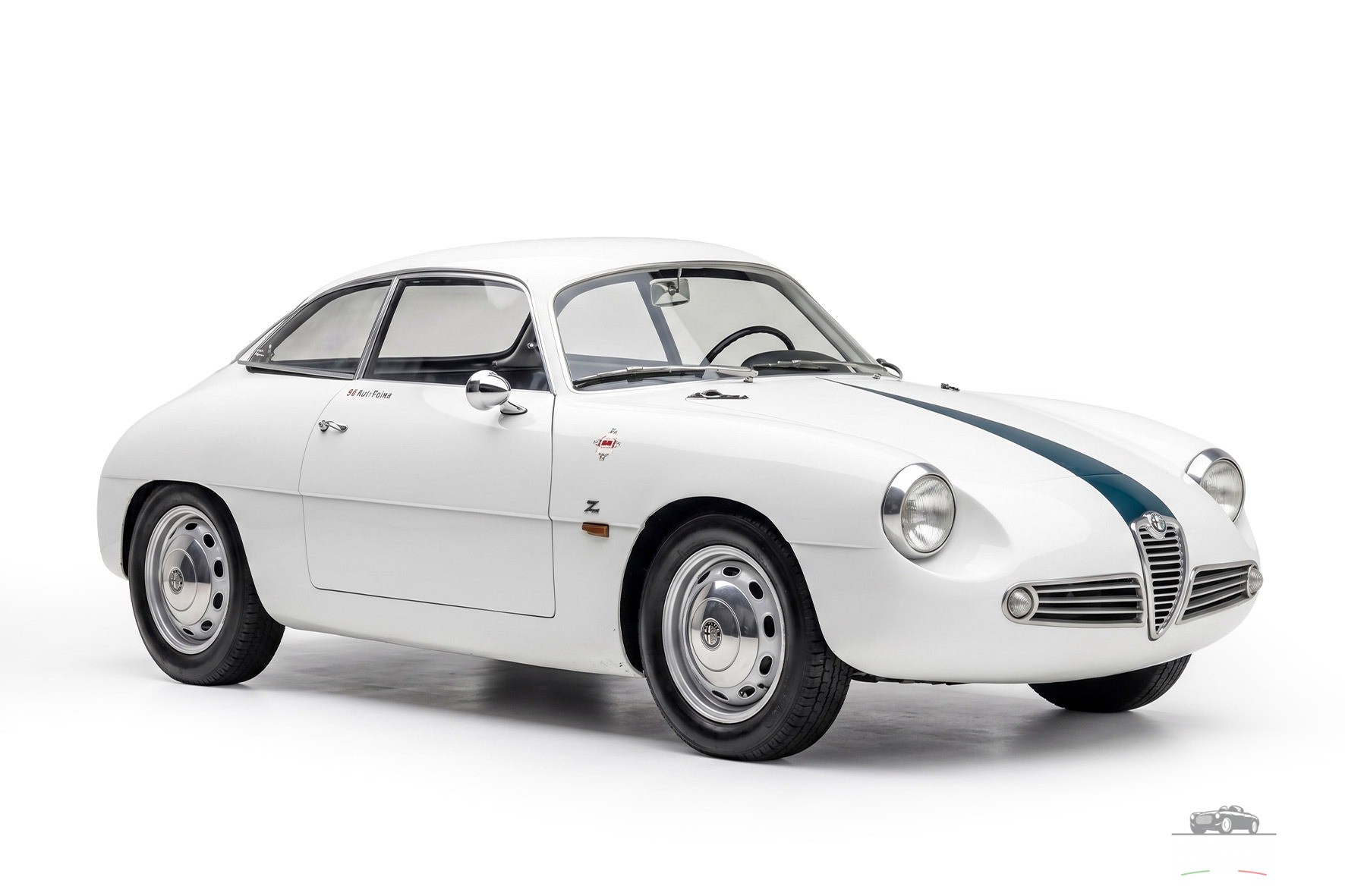
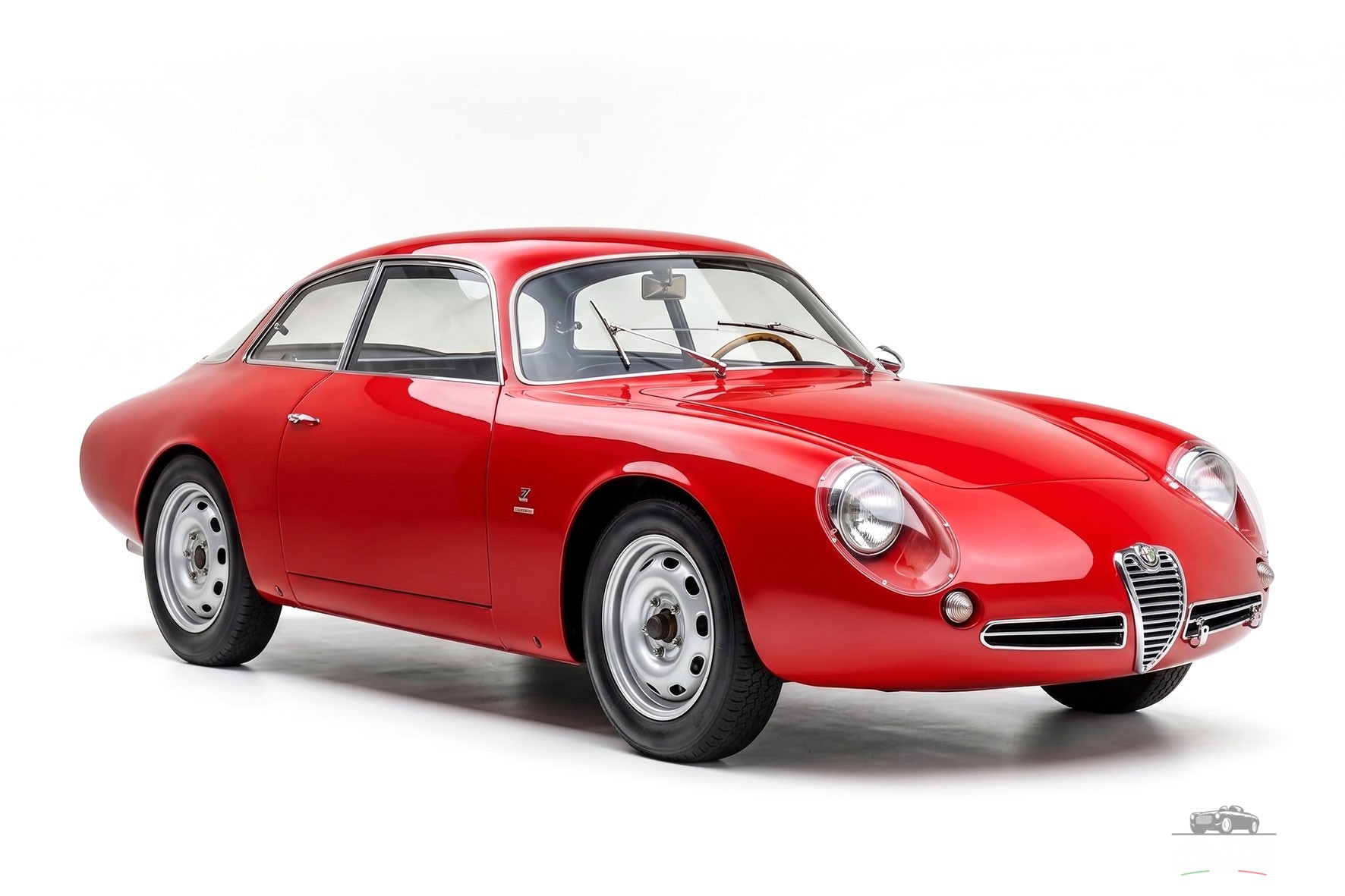
Spada investigated the abruptly truncated rear shape known in Italian as the coda tronca, drawing on aerodynamic principles developed earlier by Wunibald Kamm and other researchers. His contribution was to apply this approach to practical competition-car coachwork. The Alfa Romeo Giulietta SZ Coda Tronca was a development of Zagato’s existing Giulietta body; his attribution belongs specifically to this aerodynamic phase and does not imply individual authorship of all earlier Giulietta SZ or SVZ examples.
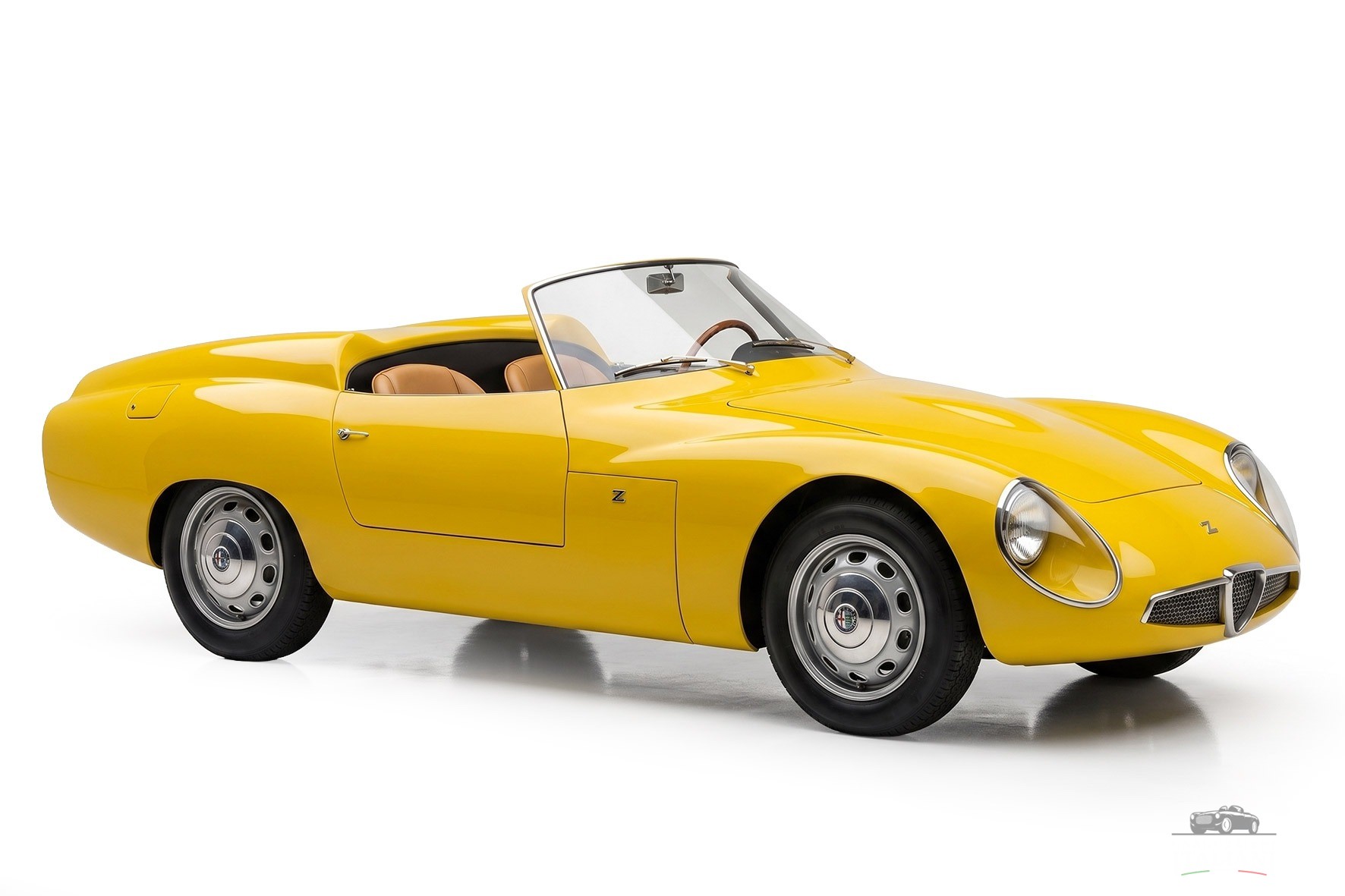
For the Alfa Romeo Giulia TZ, Spada was responsible for the body and aerodynamic refinement while Giuseppe Busso and Alfa Romeo’s technical organisation directed the underlying project. He later recalled transforming an early open-bodied study into a more efficient closed shape and testing details around the rear lip. The Giulia TZ2 combined a lower and wider body with changes to the position of the engine, exhaust, seat and steering column. These measures helped reduce its frontal area. Engineering and competition results for individual chassis should be documented in their own vehicle records.
Zagato grand touring cars
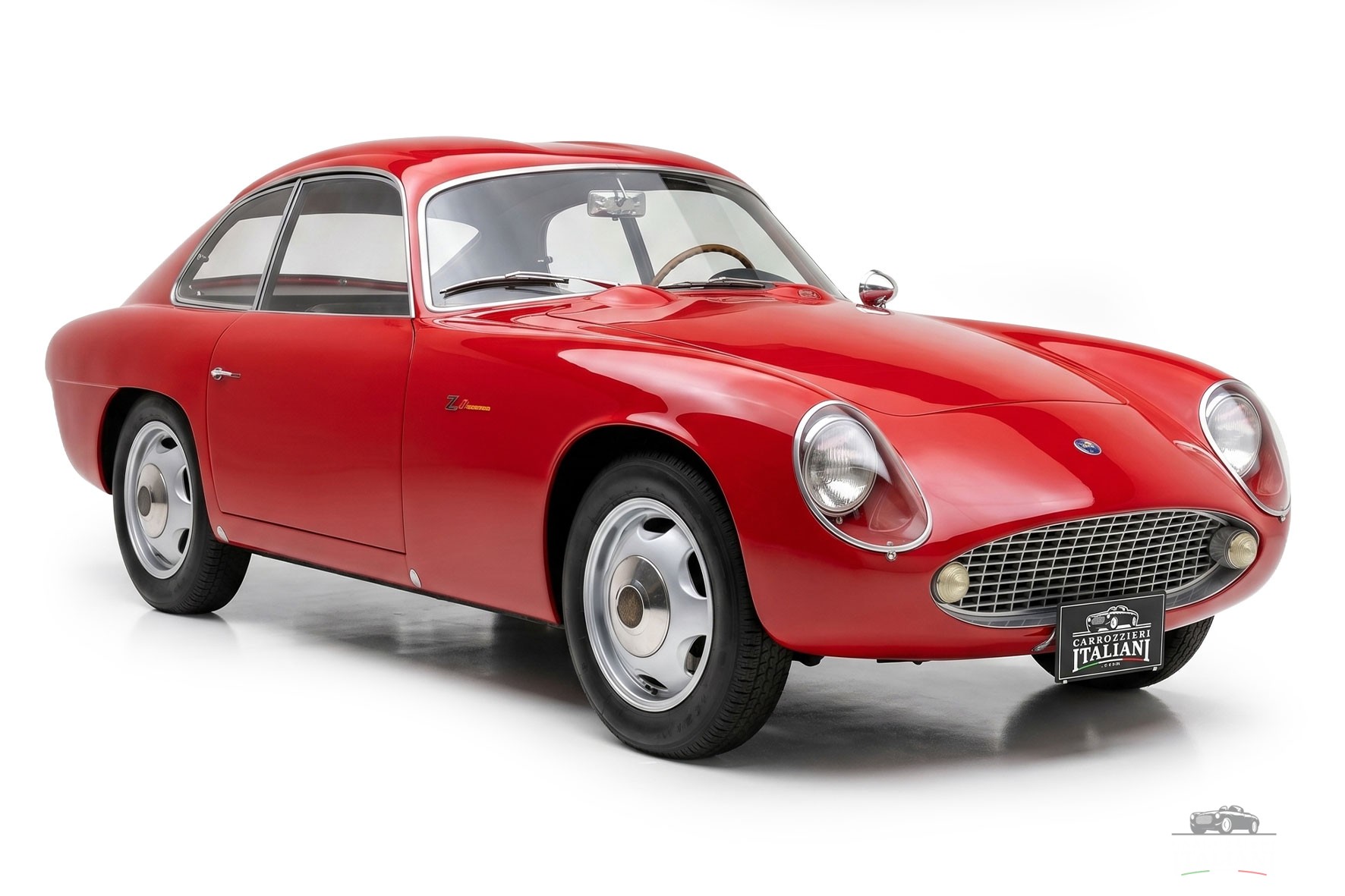
Spada’s documented 1960s work includes the Lancia Flavia Sport Zagato, the Lancia Fulvia Sport Zagato, the Alfa Romeo 2600 SZ and the Alfa Romeo Junior Zagato. Stellantis Heritage identifies him as designer of both the production Flavia Sport and the two Flavia Super Sport prototypes developed in 1968. He also designed the Lamborghini 3500 GTZ body for Zagato’s short Lamborghini programme. The vehicles’ different mechanical bases, production histories and individual chassis are not interchangeable.
Employment at Zagato from 1960 to 1969 does not automatically establish Spada’s authorship of every Zagato project of those years. Earlier Appia variants and individual competition rebodies require their own source-specific attribution. Where a project was executed by another coachbuilder or stylist, his involvement in a wider organisation must not displace that credit.
The Fiat 500 Zanzara
Spada personally developed the Fiat 500 Zanzara, a two-seat roadster using Fiat 500 L mechanical components. In a first-person account published by ASI and the Fiat 500 Club Italia, he explained how he designed its lightweight open body and commissioned the metalwork while retaining the standard small-displacement engine. Elio Zagato subsequently arranged a second, modified example with possible manufacture in mind. Although shown at the Turin Motor Show in 1969, series production did not follow. The original personal car and Zagato’s second example must remain separate physical identities.
Ford, Ghia and BMW
After leaving Zagato, Spada joined Ford’s European styling organisation in 1970, working on proposals associated with the Ford GT70 and other Ford programmes. He was later involved in Ghia’s Ford-related activities. This period should be distinguished from designs executed individually by other Ghia stylists. Following a brief period associated with Audi, he joined BMW in the second half of the 1970s and worked under design director Claus Luthe.
At BMW, Spada contributed to the restrained design language of the second-generation 7 Series (E32, introduced in 1986) and third-generation 5 Series (E34, introduced in 1988). These models represented production programmes involving larger teams, aerodynamic testing and extended engineering development, in contrast to the direct craftsmanship and small-series construction of his earlier Zagato work. He later recalled the importance of wind-tunnel testing during his BMW years.
I.DE.A Institute
Spada returned to Italy in 1983 and became a leading designer at the I.DE.A Institute in Turin. Its work during the following decade encompassed the Fiat Tipo and Tempra, Lancia Dedra and second-generation Delta and Alfa Romeo 155. The projects used related industrial architectures but developed separate visual identities. Spada’s leadership and design contributions are well documented, but the particular responsibility for every exterior or interior component cannot be presumed without individual project evidence. The institute also undertook independent concepts and commissions for international manufacturers.
Later design projects and Spadaconcept
During a renewed collaboration with Zagato in the early 1990s, Spada designed the Ferrari FZ93, a specialist concept using Ferrari 512 TR mechanical components and presented in 1993. His work also included the O.S.C.A. 2500 GT Dromos concept. These projects are distinct from standard production automobiles and should not be assigned production quantities or vehicle histories that are not documented.
Spada subsequently helped establish Spadaconcept with his son Paolo and other collaborators. The studio applied some of the same aerodynamic ideas to contemporary design, including the Spada Codatronca project on Corvette-derived architecture. The studio specifically credits Paolo Spada with the design of its Codatronca TS and Monza models. Ercole’s founding and advisory roles must therefore not be converted into exclusive individual design authorship for those cars.
Recognition and historical significance
Among Spada’s personal honours were the 2023 Premio Dante Giacosa, awarded by the Fiat 500 Club Italia, and induction into the FIVA Heritage Hall of Fame in the same year. These are honours conferred on the designer rather than prizes awarded to individual vehicles. He died at Sestriere on 3 August 2025. His career connected the traditions of Italian coachbuilding with aerodynamic experimentation and the organisation of international production-car design, leaving a documented body of work extending from specialist competition cars to everyday vehicles.
THE NETWORK
Shared vehicle credits





KEY MOMENTS
Timeline
-
Birth of Ercole Spada
Busto Arsizio, Italy
-
Career begins
-
Career ends
-
Death of Ercole Spada
Sestriere, Italy
IN THE ARCHIVE
Coachbuilders & design studios

Spada
Founded in Moncalieri in 2006 by Paolo and Ercole Spada, SpadaConcept is an Italian automotive design studio known for the Codatronca sports-car projects and bespoke vehicle design.
Explore record ↗AWARDS & RECOGNITION
Palmarès
Direct honours
- Lifetime honours
- 1
- Hall of Fame
- 1
- 2023 · FIVA Heritage Hall of Fame
- 2018 · Matita d’Oro 2017 — MAUTO
Vehicle awards
- Best of Show
- 1
- Car of the Year
- 1
- Class wins
- 6
- Design awards
- 2
- Special prizes
- 1
11 vehicle award records
Special Prize
Aston Martin DB4 GT ZagatoClass Winner
Alfa Romeo Giulietta SVZClass Winner
Lancia Flaminia Super SportBest of Show
Lamborghini 3500 GT ZagatoClass Winner
Lamborghini 3500 GT ZagatoClass Winner
Lancia Flavia Super SportClass Winner
Lancia Flavia Super SportClass Winner
Alfa Romeo Giulia TZ2Car Design Award Production
Fiat Tipo1989 Car Design Award Production
Production
Europe Car of The Year
Fiat TipoCompasso d'Oro
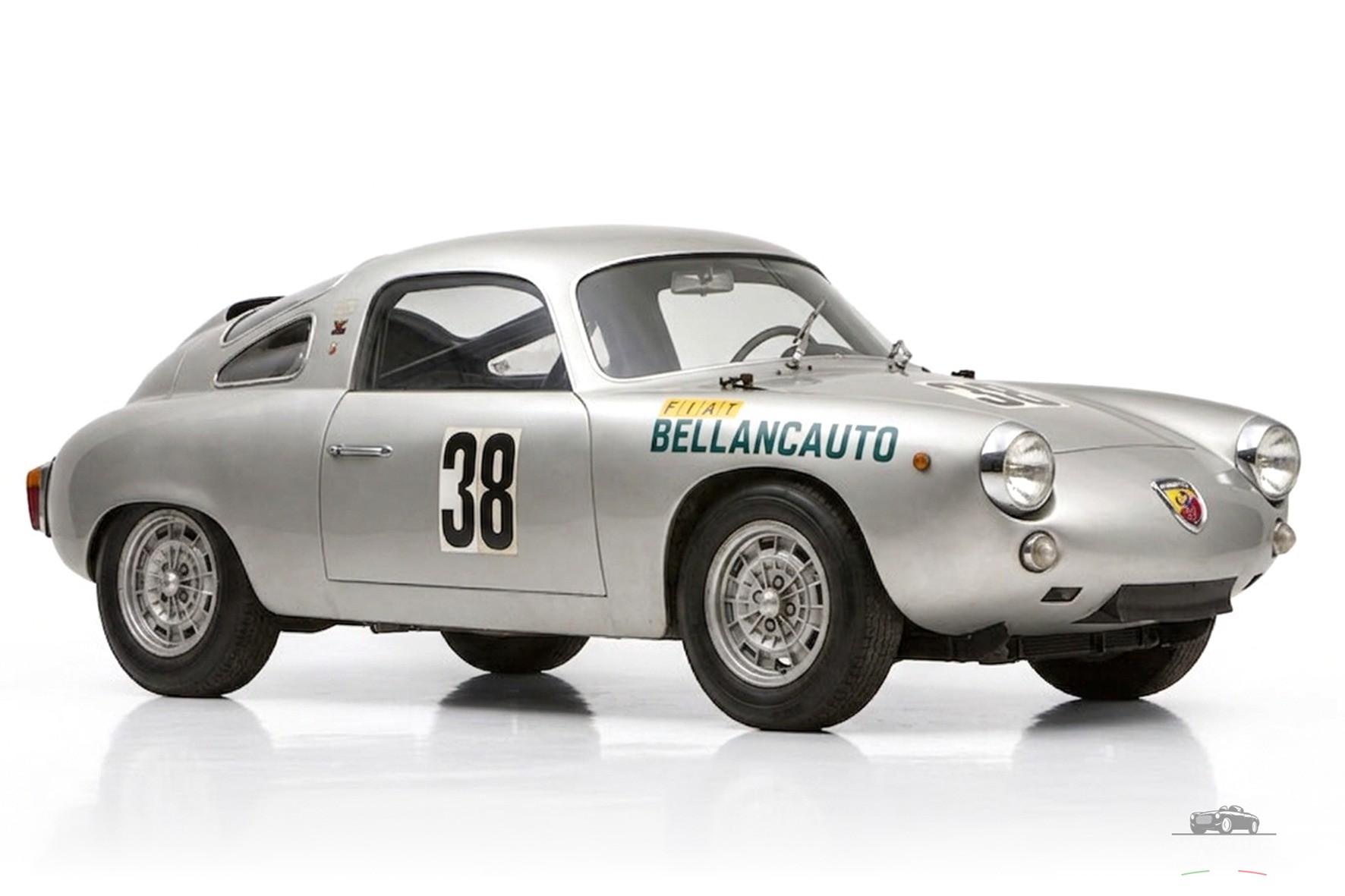
Abarth 1000 Bialbero Zagato1960 Compasso d'Oro
CONTINUE EXPLORING
Related vehicles



CONTINUE READING
Related articles

Ercole Spada, Legendary Car Designer, Passes away at 88
"Ercole Spada, legendary Italian car designer known for his work with Zagato and I.DE.A Institute, has died at 88. Carrozzieri Italiani honors his legacy.
Read story
THE CONVERSATION
Comments 0