
20e Salon international Automobile Moto-Cycle – Genève 1950
AT A GLANCE
- Date
- 1950
- Venue
- Palais des Expositions (Plainpalais)
- Location
- Geneva · Switzerland
THE EVENT
Event overview
The 1950 Geneva Motor Show, the twentieth edition of the event, opened shortly after the Brussels Salon, with only fifty days separating the two exhibitions. Geneva’s commercial environment differed notably from that of Belgium. Switzerland offered extensive opportunities for foreign automobile manufacturers due to the absence of a major domestic industry, high purchasing power, and the country’s central location within Western Europe. These conditions drew widespread international participation and established Geneva as one of the most significant automotive exhibitions in Europe.
A total of 69 manufacturers displayed vehicles, compared to 76 the previous year. Fifty exhibitors presented exclusively postwar models, twelve displayed prewar designs that had been extensively updated, and a smaller group offered older models. Approximately 160 individual models were shown. The overall trend emphasized rising compression ratios, incremental increases in engine output, and improvements in semi-automatic and automatic transmissions. Carburetion developments were constrained by the limited quality of available fuels, while small-displacement cars benefited from broader use of higher-revving engines. Independent suspension systems gained ground, and braking systems showed marked refinement.
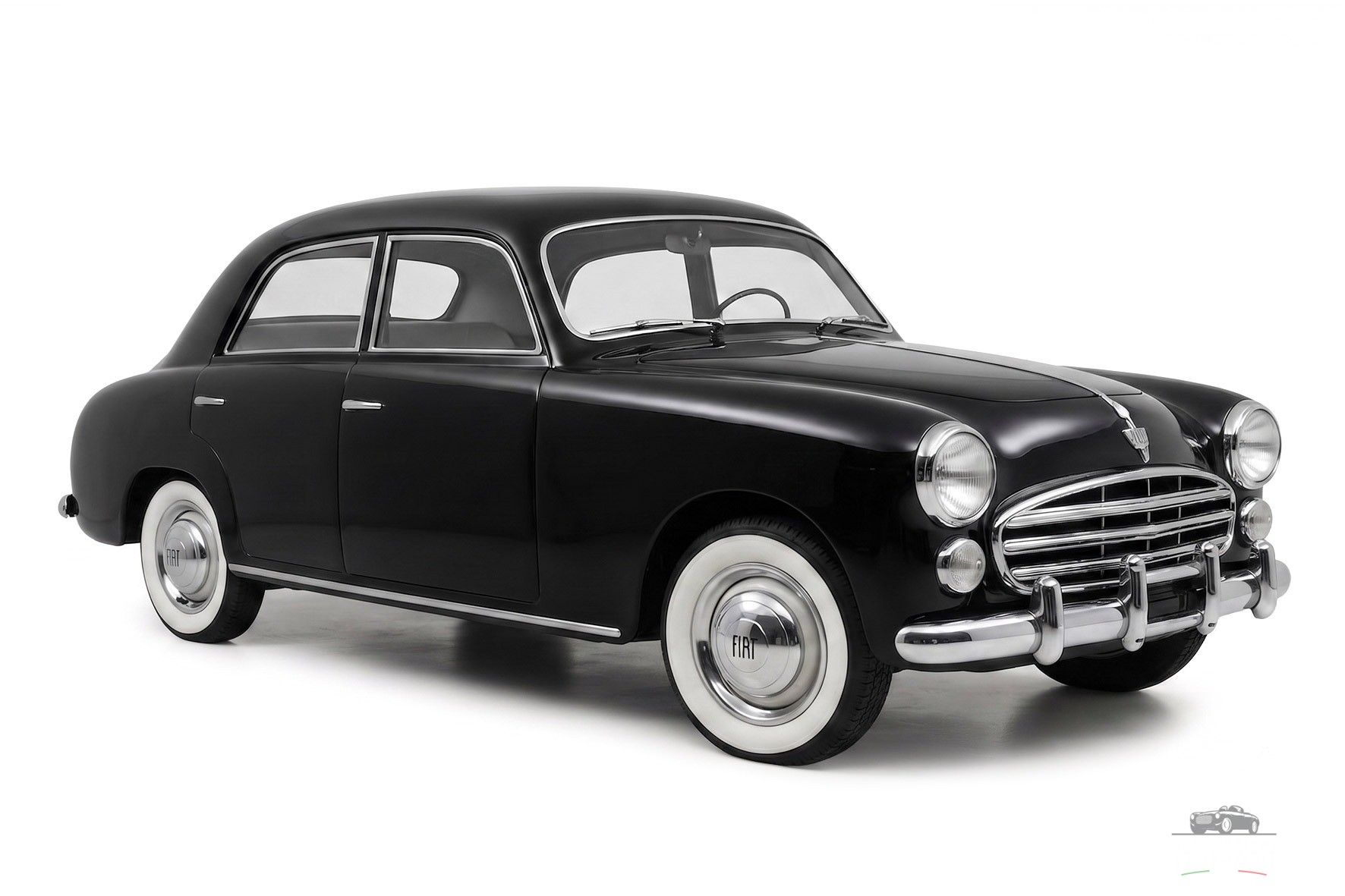
Among notable Swiss premieres, Fiat introduced the Fiat 1400, a new model presented with an emphasis on structural clarity and mechanical accessibility. The design featured a modern engine layout with a specific output of 32 hp per liter. Other technical displays included transparent or sectioned demonstration engines intended to illustrate internal mechanical operation.
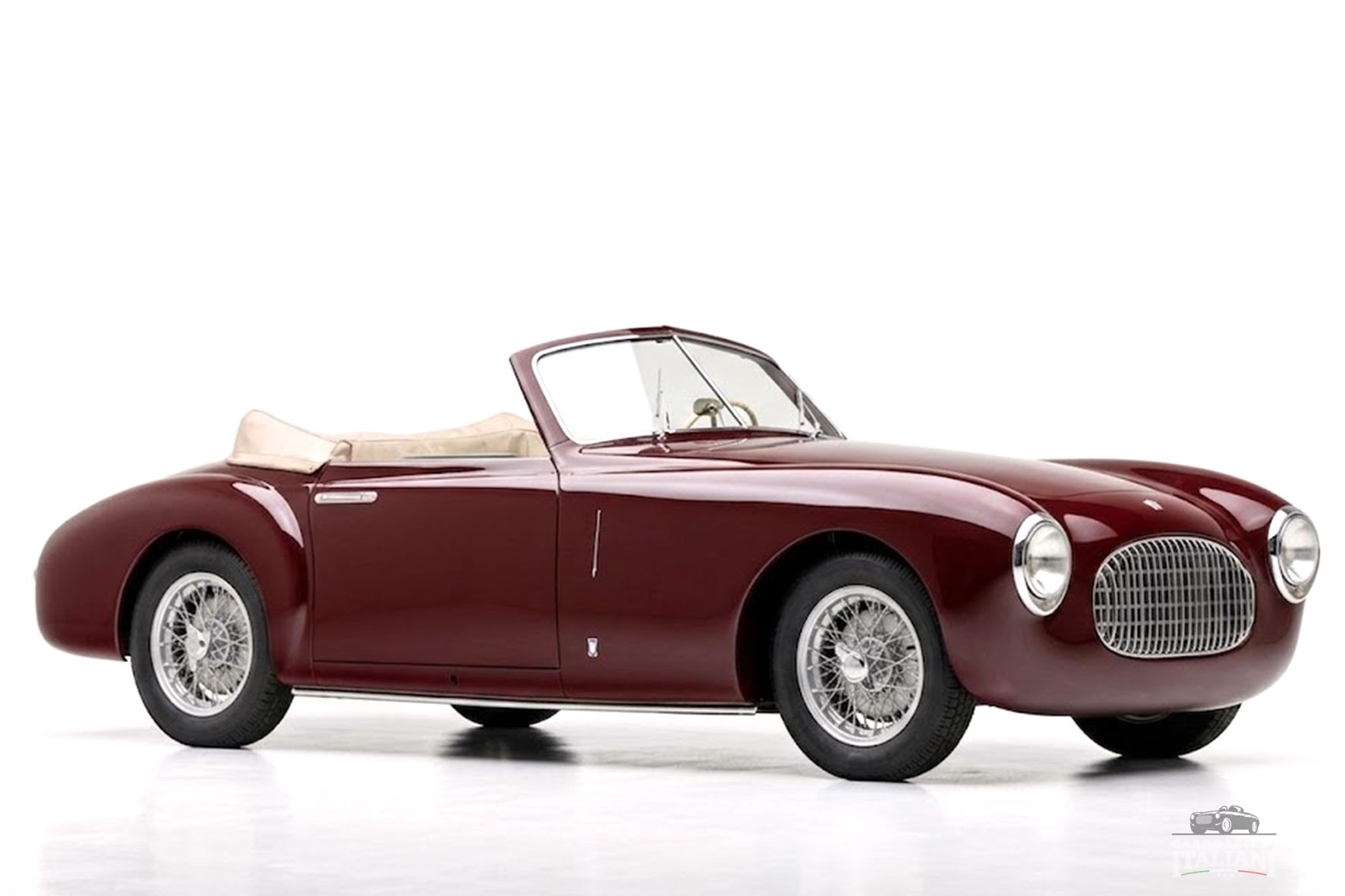
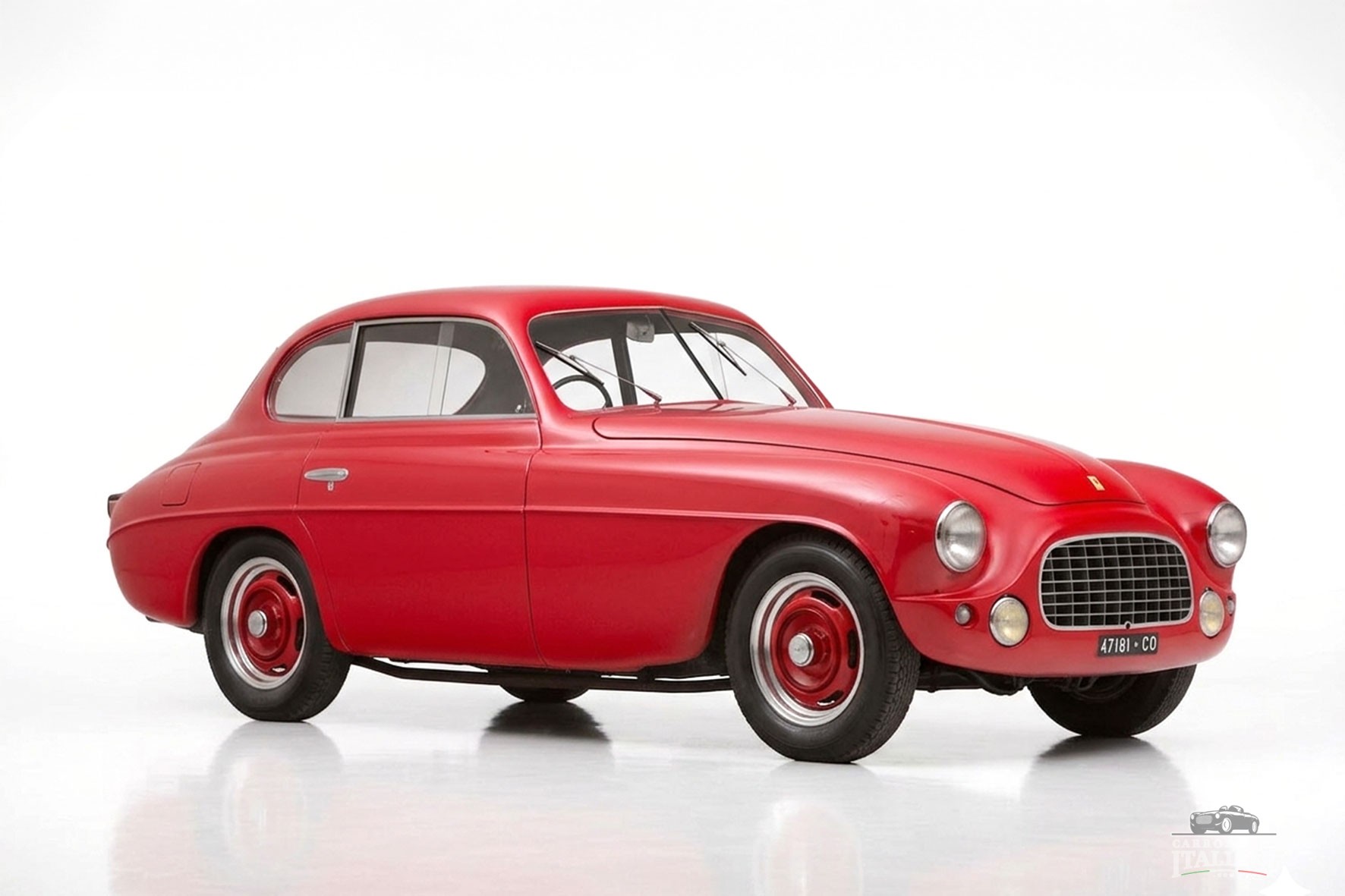
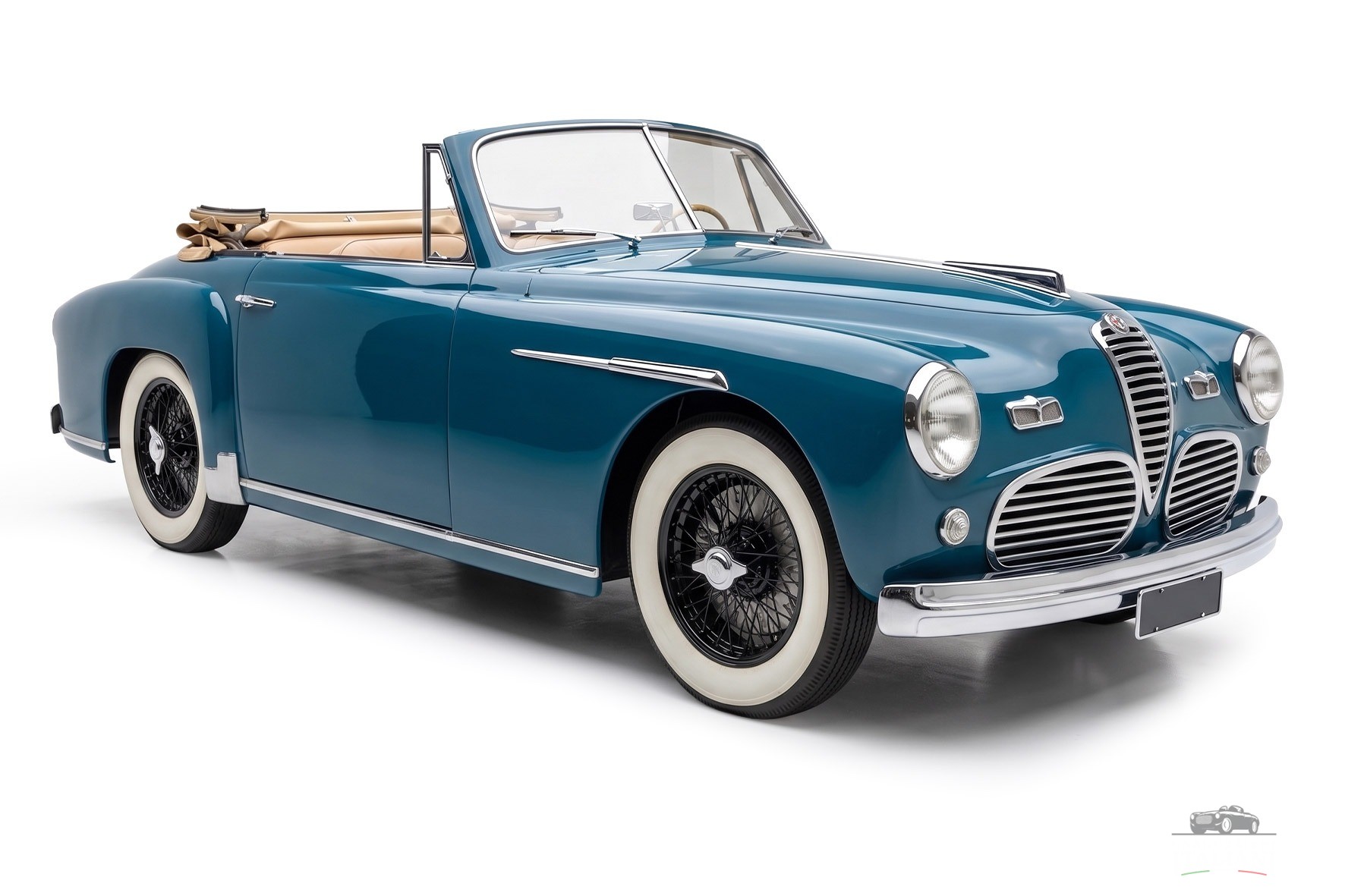
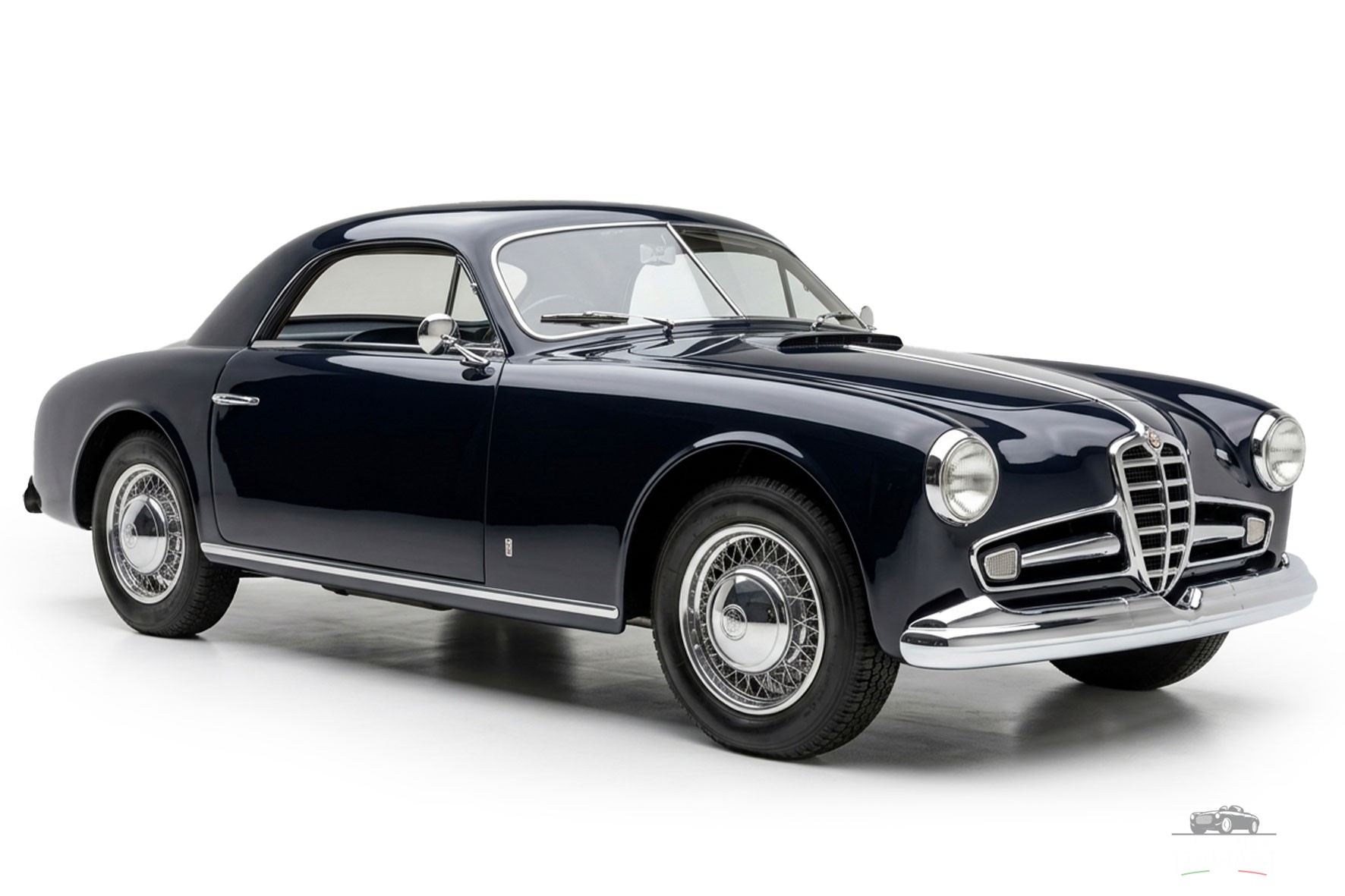
Coachbuilders were widely represented. Italian carrozzerie, including Pinin Farina, Stabilimenti Farina, Ghia, Vignale, Francis-Lombardi, Balbo, and Touring, presented special bodies and prototypes, indicating continued Italian influence on European styling. Swiss coachbuilders Beutler, Graber, and Langenthal exhibited bodies reflecting strong Italian aesthetic impact.
The show also included numerous foreign touring cars: American manufacturers such as Hudson exhibited models like the Pacemaker, while German, British, and Czechoslovak marques displayed their standard postwar ranges. Volkswagen presented a convertible version of its popular model. New technical proposals included rear-engined layouts and interchangeable body systems for commercial vehicles. The exhibition also showcased numerous Swiss-built buses and trolleybuses, emphasizing structural innovation and adaptations to local operating conditions.
FROM THE EVENT ARCHIVE
Photo gallery

CONTINUE EXPLORING
Participating Cars





THE EVENT ARCHIVE
THE CONVERSATION
Comments 0