
Ghia
Founded in Turin in 1916, Carrozzeria Ghia became a major Italian design and coachbuilding house, creating bespoke automobiles, prototypes and international collaborations across the twentieth century.
Explore record ↗
1954Coachwork by Ghia
THE VEHICLE AT A GLANCE
THE PEOPLE BEHIND THE CAR
Founded in Turin in 1916, Carrozzeria Ghia became a major Italian design and coachbuilding house, creating bespoke automobiles, prototypes and international collaborations across the twentieth century.
Explore record ↗01 / THE STORY
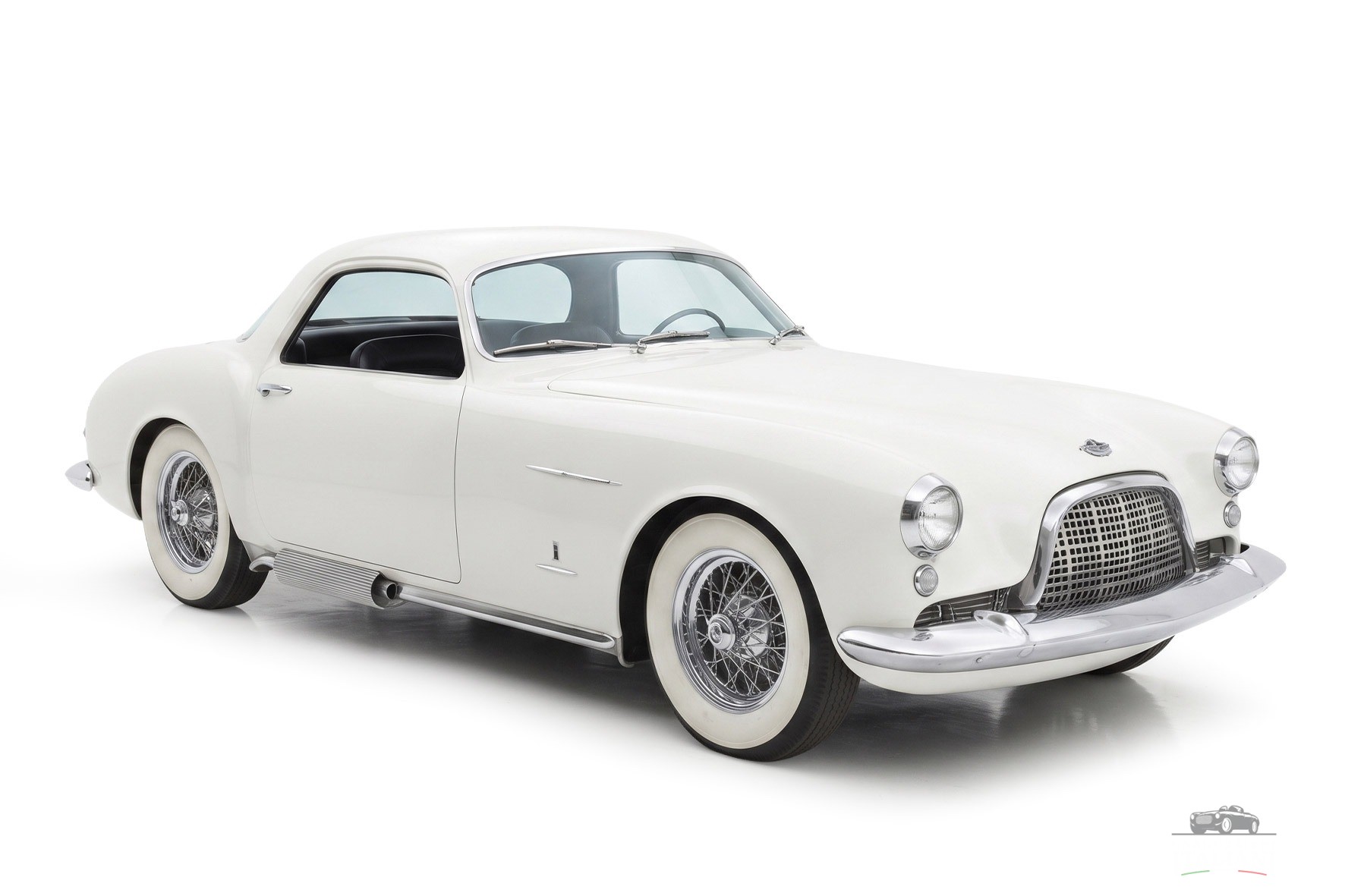
The 1954 DeSoto Adventurer I was a four-seat experimental coupé designed by the Chrysler Corporation styling department under Virgil Exner and built by Carrozzeria Ghia in Turin. It was the only example of this design, developed on a modified DeSoto chassis and presented to the American press in Detroit on 12 November 1953 as part of the company’s introduction of its 1954 models. Its model-year designation must therefore be distinguished from the date of its first public showing. The coachwork was executed in Italy to a design originating in Chrysler’s Detroit studios.
The Adventurer I formed part of Chrysler’s programme of functional experimental cars intended to test new styling ideas. Ghia hand-formed the steel body on a 1953 DeSoto chassis shortened from the production wheelbase to 111 inches (2,819 mm). The resulting proportions combined a long bonnet and a close-coupled passenger compartment, although the interior accommodated four occupants rather than the two typical of many American sports-car proposals of the period. The roof had no rear quarter windows, and the overall height was only 53 inches (1,346 mm).
The front end featured an inverted-trapezoid grille, headlights incorporated into the front fender ends and a V-shaped wraparound bumper. Sixteen-inch chrome-plated wire wheels with whitewall tyres were fully exposed by the wheel openings. Distinctive external exhaust outlets ran beneath the door sills, with finned shields around the muffler sections. At the rear, a deeply curved panoramic window overlooked a short deck, where the central fuel filler and a separate compartment for the spare wheel were integrated into the design. These details identify the original Adventurer I and should not be transferred to the substantially different Adventurer II.
The cabin was finished in black leather with contrasting light piping, while satin-finish aluminium surrounded the seven circular dashboard instruments. The instrument set included a tachometer, speedometer, clock and gauges for oil pressure, fuel, coolant temperature and electrical current. The four-passenger layout was important to the concept: Chrysler intended to investigate whether continental sports-coupé proportions could be combined with the comfort and equipment expected of a full-size American vehicle.
The modified DeSoto chassis carried a 276.1-cubic-inch (approximately 4,524 cc) FireDome hemispherical-head V8 rated at 170 hp. It was coupled to DeSoto’s Fluid-Torque automatic transmission, driving the rear wheels. Period Chrysler publicity also specified power-assisted steering and brakes. The recorded overall length was approximately 4,820 mm and the wheelbase 2,819 mm; no equally secure width measurement has been established for this particular prototype. The exact individual chassis or engine serial number has not been independently identified, so neither should be inferred from the specifications of production DeSoto cars or the later Adventurer II.
After the Detroit introduction, the Adventurer appeared on the 1954 show circuit, including an appearance associated with the Turin motor show in the surviving historical registry. A particularly strong identification is supplied by a trophy preserved by The Henry Ford museum. Its inscription records first prize in the Prototype Cars class at the seventh Watkins Glen Concours d’Elegance in 1954, and a surviving label specifically associates that trophy with Virgil Exner and the DeSoto Adventurer I. This recognition concerns the original four-seat coupé, not its successor.
Specialist histories report that Exner subsequently used the Adventurer I as a personal road car and returned it to Chrysler Engineering in 1956. Accounts of a later sale to South America have not been substantiated by an identified chassis or a continuous ownership record; the car’s subsequent whereabouts remain uncertain. No verified auction transaction for the Adventurer I has been identified in the consulted records. This differs from the documented auction history of the DeSoto Adventurer II, which was a separate Ghia-built project with its own chassis and body.
The Adventurer I did not enter series production. The later DeSoto Adventurer production range, introduced for the 1956 model year, reused the name but was not a production version of this one-off coupé. The car belongs instead to the early Chrysler–Ghia experimental programme, examined more broadly in the history of the partnership between Ghia and Chrysler and in the work of Virgil Exner.
02 / TECHNICAL IDENTITY
03 / DESIGN, BODY & SUPPLIERS
Coachbuilder / Design studio
Founded in Turin in 1916, Carrozzeria Ghia became a major Italian design and coachbuilding house, creating bespoke automobiles, prototypes and international collaborations across the twentieth century.
Explore record ↗Designer
04 / CHRONOLOGY
07 / GALLERY
CONTINUE EXPLORING
CONTINUE READING
There are in the history of companies, just as in the history of nations, certain fateful episodes, which have an influence on the course of events well in excess of their actual…
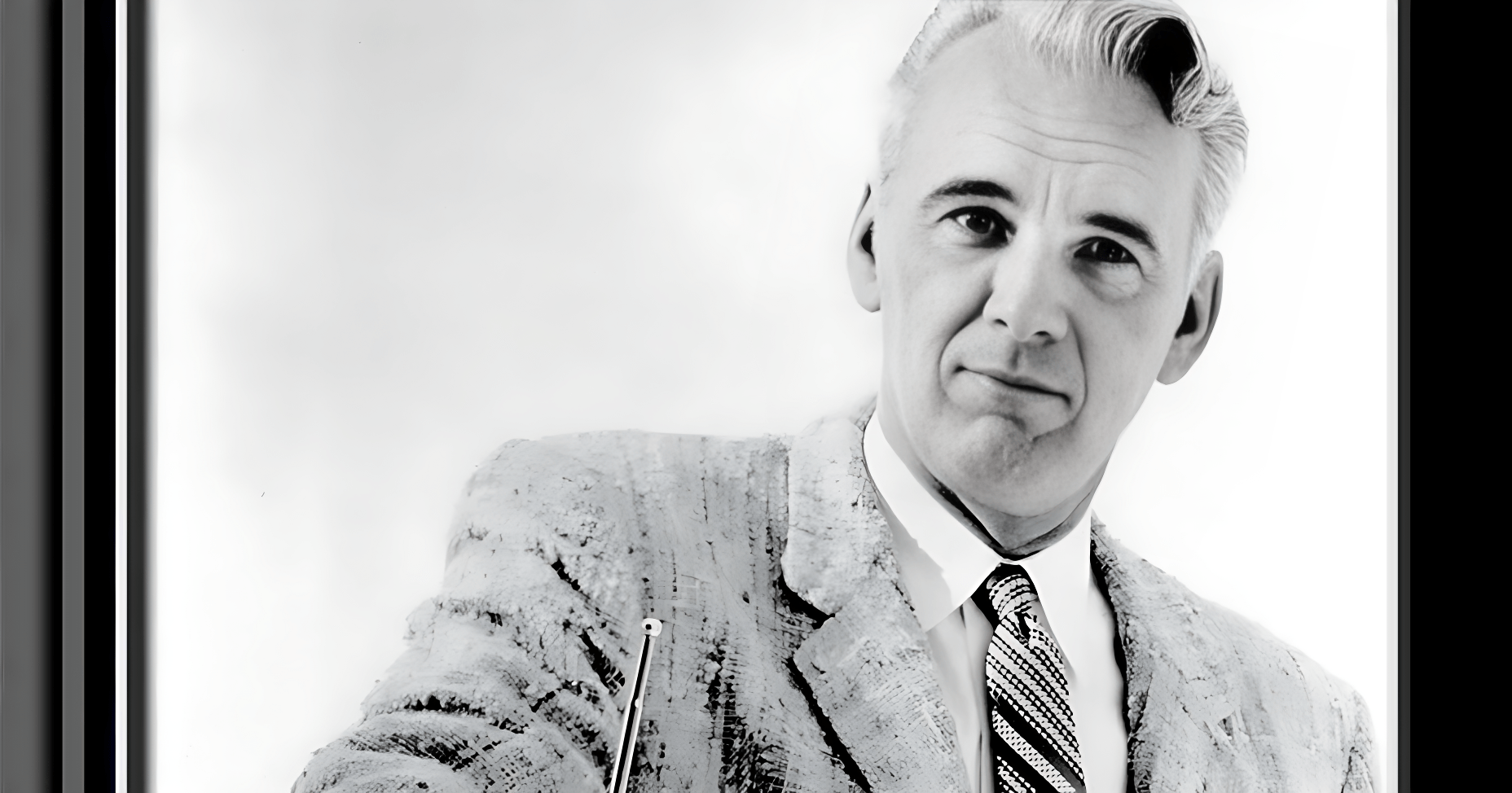
Read storyVirgil Exner transformed American car design with bold artistry, aerodynamic vision, and Italian collaboration that redefined Detroit’s style.
Read story

THE CONVERSATION
Comments 0