
Zagato
Founded in Milan in 1919 by Ugo Zagato, the coachbuilding house developed lightweight aerodynamic bodies inspired by aircraft construction, creating distinctive racing and grand touring automobiles.
Explore record ↗
1981Coachwork by Zagato
THE VEHICLE AT A GLANCE
THE PEOPLE BEHIND THE CAR
Founded in Milan in 1919 by Ugo Zagato, the coachbuilding house developed lightweight aerodynamic bodies inspired by aircraft construction, creating distinctive racing and grand touring automobiles.
Explore record ↗Giuseppe Mittino was an Italian automotive designer associated with Zagato and its specialist lightweight sports-car projects.
Explore record ↗01 / THE STORY
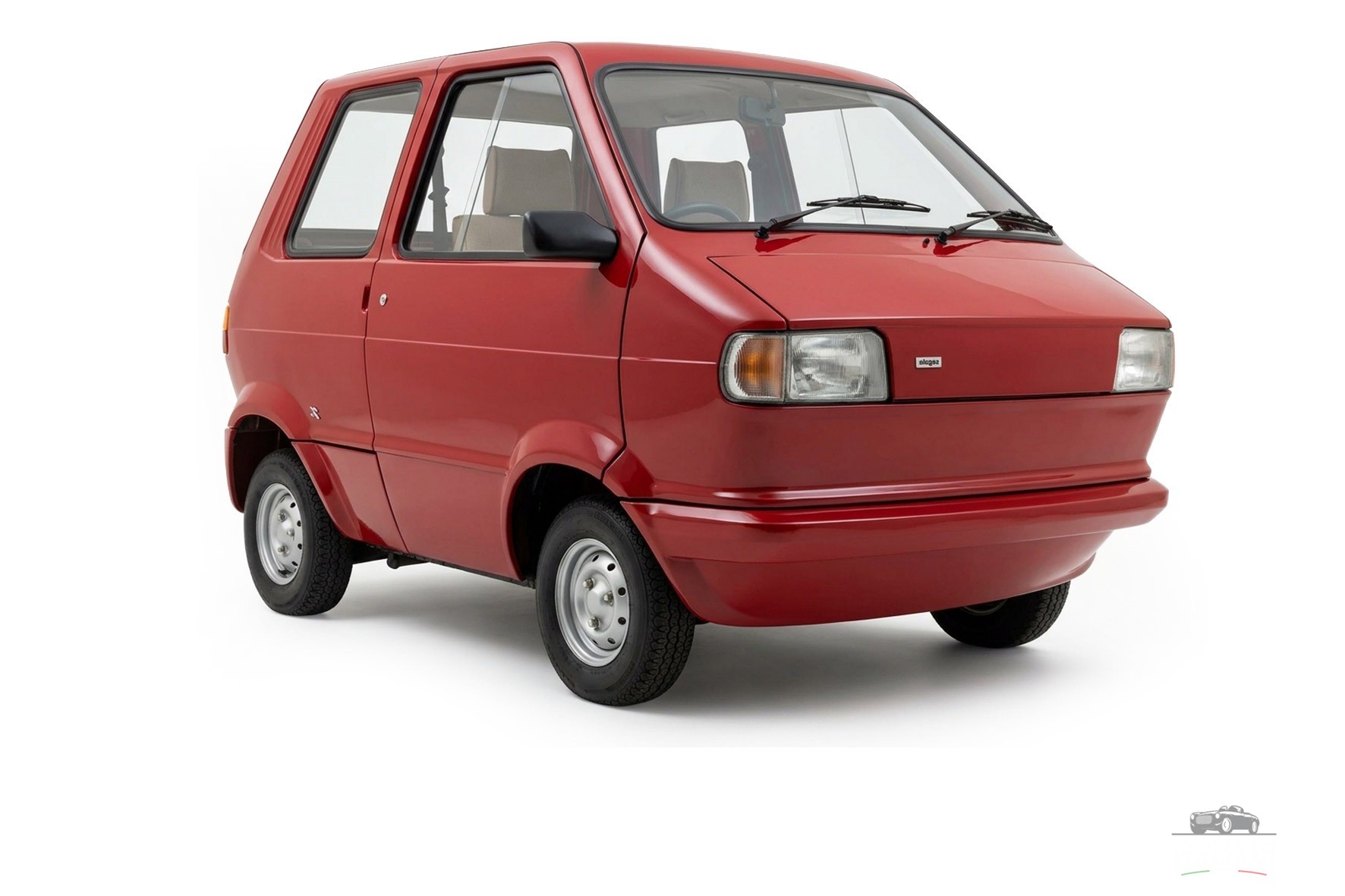
The Zagato Zele Minivan was a groundbreaking concept that envisioned the large-scale production of electric-powered minivans, showcasing the innovative spirit of the renowned Milanese coachbuilder Zagato. Conceived during a time when electric vehicles were still a niche segment, the Zele Minivan was an ambitious project that sought to redefine urban transportation with an eco-friendly alternative. Designed by Giuseppe Mittino, the Zele Minivan was intended to cater to the growing demand for sustainable mobility solutions, reflecting a shift in the automotive industry towards environmentally conscious transportation. Building on Zagato’s previous experiments with electric vehicles, such as the Zele and Milanina, the Zele Minivan was a natural progression of the company’s commitment to exploring new frontiers in automotive design. The Zele was one of the earliest electric microcars produced in the 1970s, and the Milanina further showcased Zagato’s interest in compact, efficient, and electric urban vehicles. The Zele Minivan continued this legacy by offering a larger, more practical option that could accommodate the needs of families and urban commuters alike. The Zele Minivan’s design emphasized practicality and sustainability, with a spacious interior that maximized passenger comfort and cargo capacity. Its efficient electric propulsion system was intended to provide a quiet and smooth driving experience, ideal for navigating busy city streets. The compact yet roomy design made it an attractive alternative for those seeking a greener mode of transport without sacrificing the convenience of a minivan. The Zele Minivan was not only a vehicle but also a statement of intent, demonstrating that electric power could be effectively applied to larger, family-oriented vehicles. Although the Zele Minivan never reached commercial production, it remains a testament to Zagato’s forward-thinking approach and willingness to challenge conventional automotive norms. The concept highlighted the potential for electric vehicles long before they gained mainstream acceptance, showcasing the foresight and innovation that have defined Zagato’s contributions to automotive design. The Zele Minivan’s legacy endures as a symbol of the ongoing evolution of sustainable mobility, illustrating how visionary ideas from the past continue to influence the development of environmentally friendly vehicles today. By pushing the boundaries of what was possible, Zagato paved the way for future advancements in electric vehicle technology and design.
02 / TECHNICAL IDENTITY
03 / DESIGN, BODY & SUPPLIERS
Coachbuilder / Design studio
Founded in Milan in 1919 by Ugo Zagato, the coachbuilding house developed lightweight aerodynamic bodies inspired by aircraft construction, creating distinctive racing and grand touring automobiles.
Explore record ↗Designer
Giuseppe Mittino was an Italian automotive designer associated with Zagato and its specialist lightweight sports-car projects.
Explore record ↗07 / GALLERY
THE CONVERSATION
Comments 0