
IV Concorso internazionale di eleganza della carrozzeria – Pincio 1950
AT A GLANCE
- Date
- 1950-05-27 — 1950-05-28
- Venue
- Pincio
- Location
- Rome · Italy
THE EVENT
Event overview
The Concorso Internazionale di Eleganza e Comodità della Carrozzeria held at the Pincio in Rome, organized by the weekly Motor, had by its fourth edition become a stable fixture in the Italian calendar of postwar automotive exhibitions. The event assembled representative examples of contemporary Italian and foreign coachbuilding, with a focus on stylistic refinement, comfort, and the technical quality of custom-built and limited-series automobiles.
The 1950 edition brought together a wide selection of vehicles arranged across the Pincio terraces, allowing a direct survey of design tendencies that characterized Italian coachbuilding in the early postwar years. The field included both unique-bodied show cars and updated versions of models previously presented at the Turin Salon. Cars were evaluated not only for body design and construction quality but also for interior arrangement, driver ergonomics, and the integration of mechanical elements within the broader aesthetic program.
Italian carrozzieri were strongly represented: Bianchi, Ghia, Stabilimenti Farina, Touring, Boneschi, Vignale, Balbo, and Pinin Farina presented berlinette, cabriolets, and fuoriserie bodies on Fiat, Lancia, Alfa Romeo, Maserati, and other domestic chassis. Foreign participation included American entries such as Studebaker, often presented in transformable form, which were judged alongside European touring cars.
The concours also featured a category dedicated to autobus and autocarro special bodies, with notable displays from Italian commercial-vehicle coachbuilders who had recently introduced revisions to their touring and line-service designs. These exhibits documented developments in passenger accommodation, visibility, luggage solutions, and exterior modernization relative to earlier Turin prototypes.
The judging panel, chaired by Mario De Cesare, assessed vehicles from both an aesthetic and functional standpoint. Awards were assigned across multiple classes grouped by engine displacement, body type, and national versus foreign origin. Among the notable winners were an Alfa Romeo 2500 by Boneschi, a Maserati by Pinin Farina, and several Fiat 1400 variants bodied by Ghia, Balbo, and others.
The event preserved the traditional association of concours vehicles with female presenters—drivers or escorts—who accompanied the automobiles during the final parade, reinforcing the period’s customary link between fashion presentation and coachbuilt automotive design.
KEY MOMENTS
Timeline
-
Opening
-
Closing
RECORDED RESULTS
Awards & Results
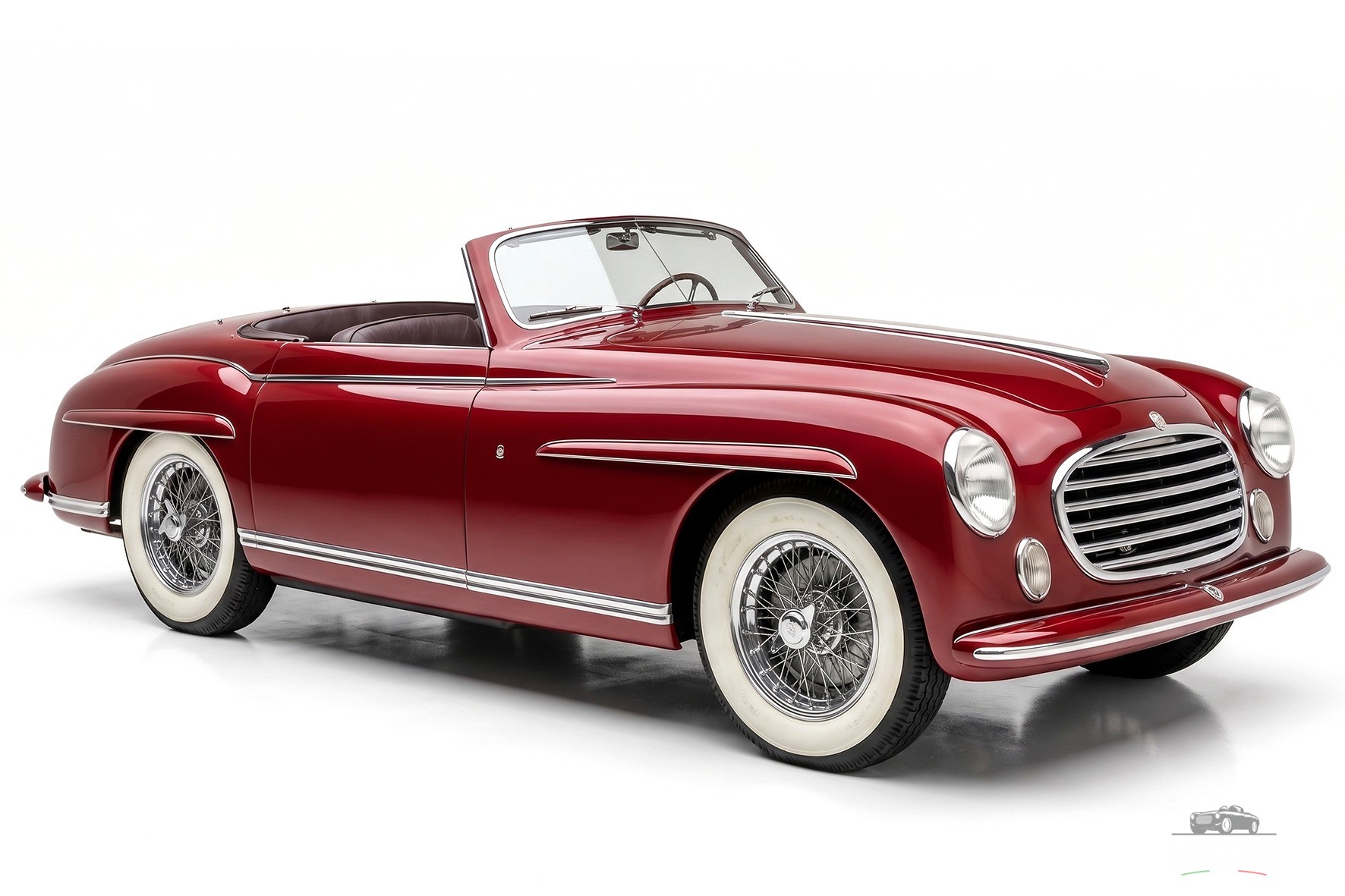
Class Winner
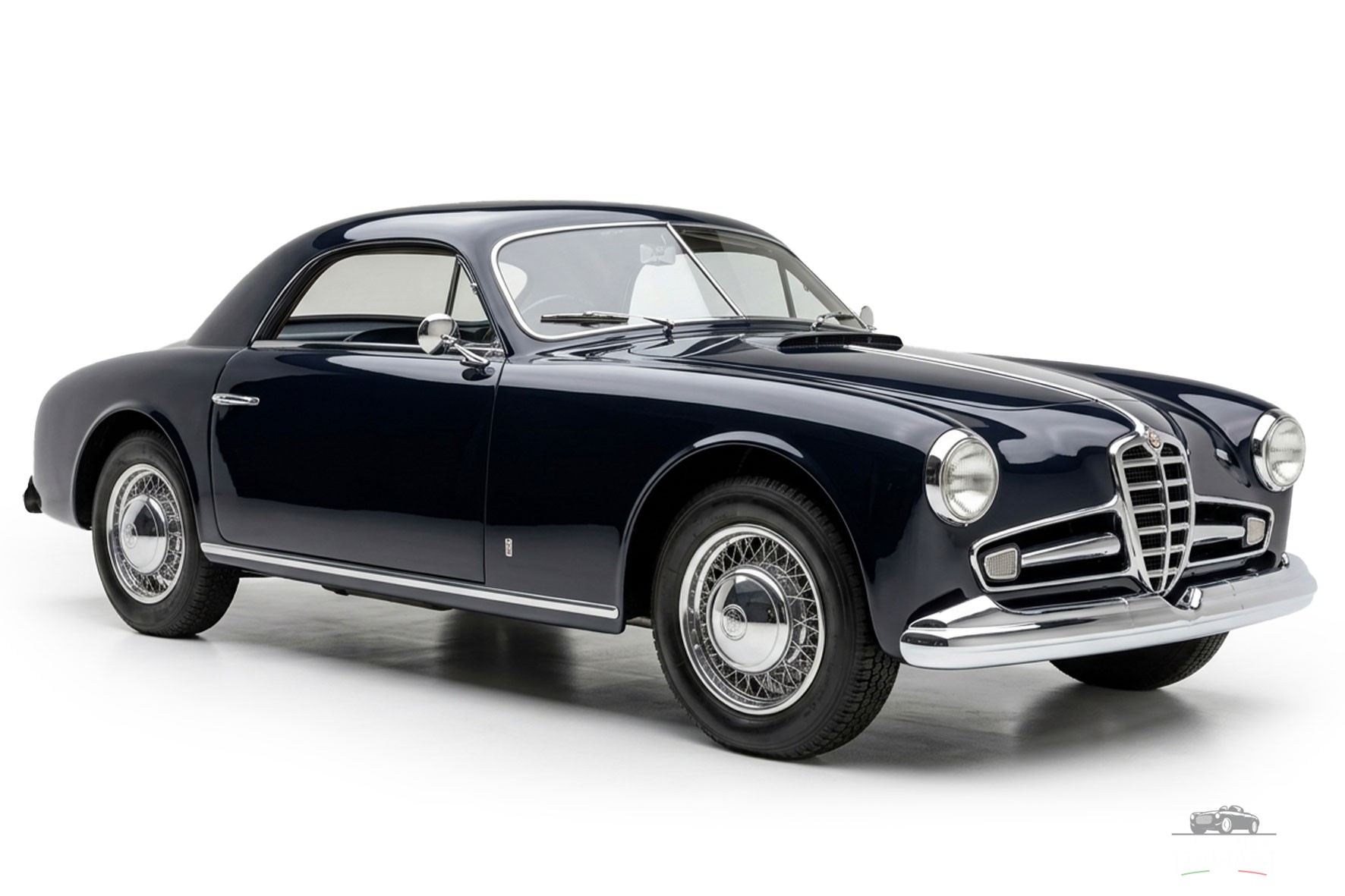

Class Winner


Class Winner
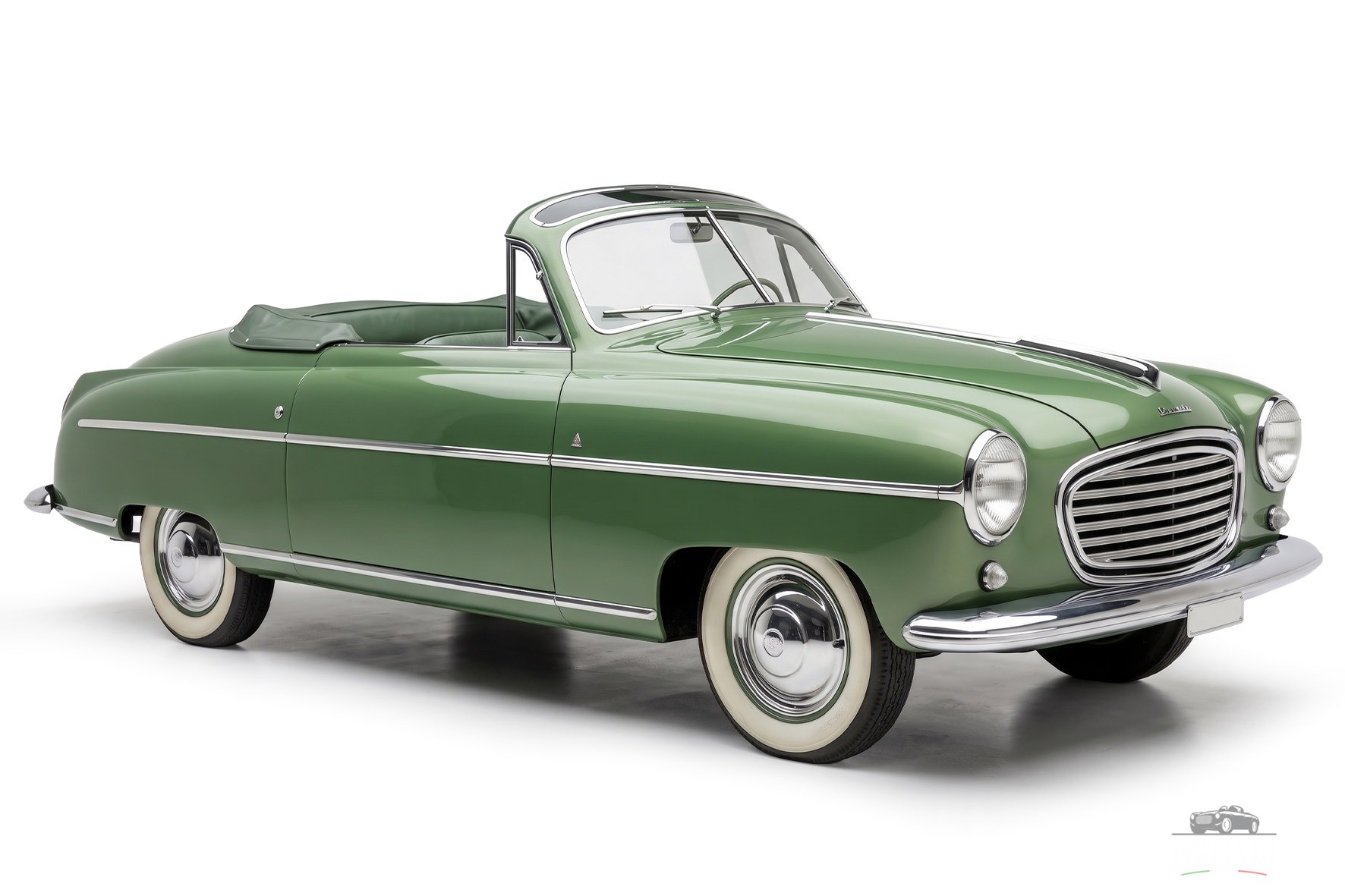
Class Winner
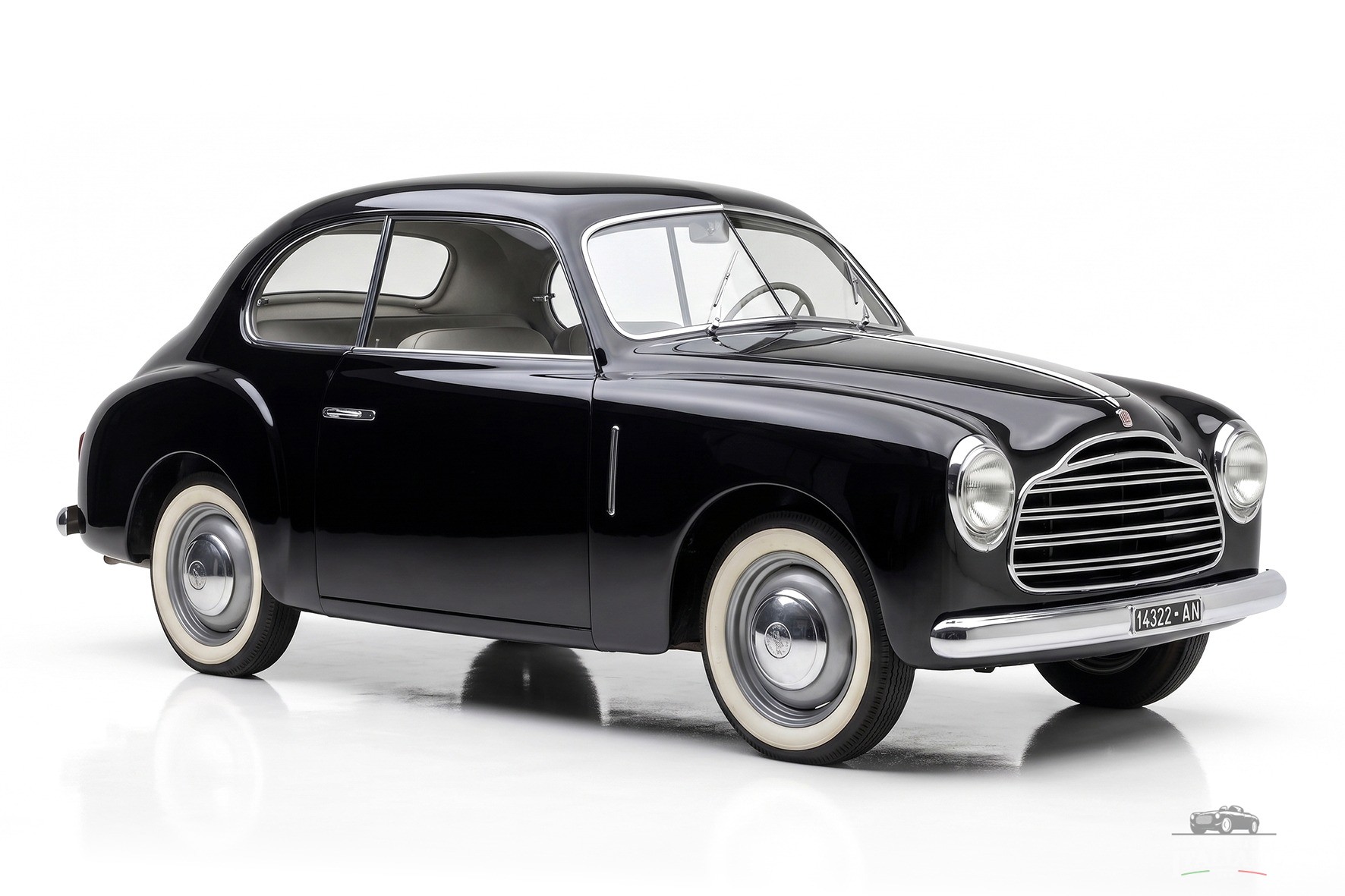

Class Winner
CONTINUE EXPLORING
Participating Cars






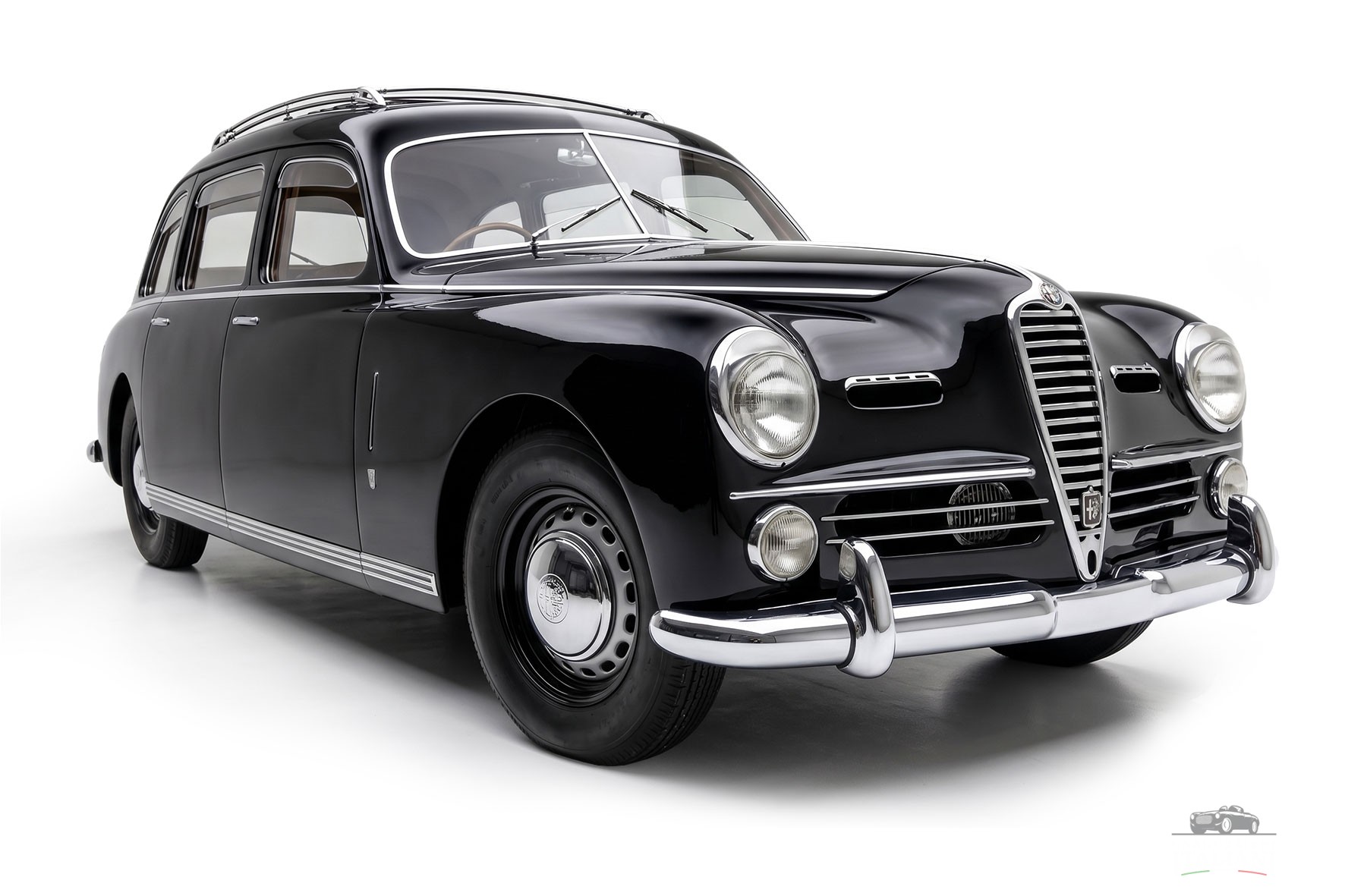




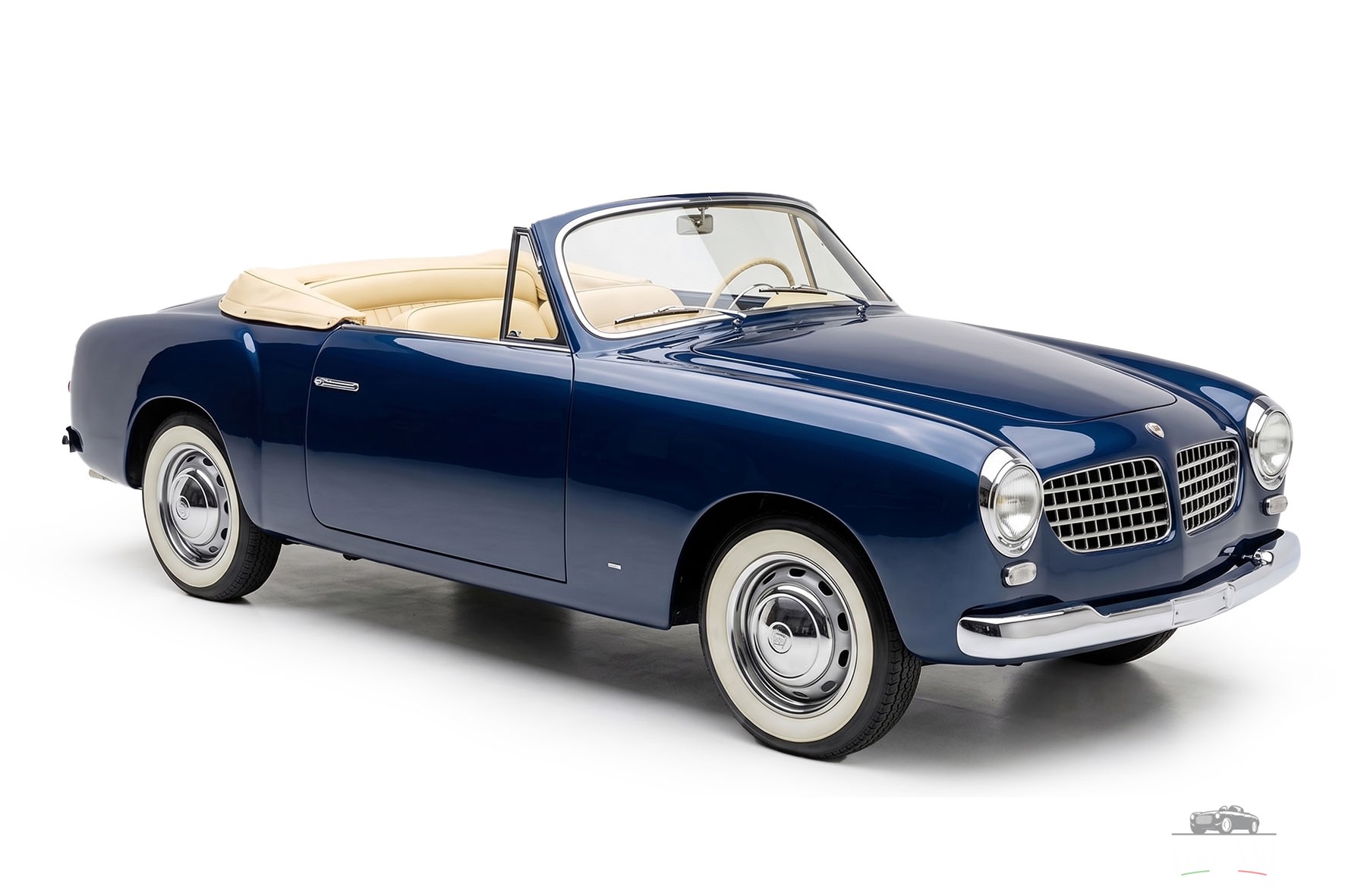
THE EVENT ARCHIVE
THE CONVERSATION
Comments 0